
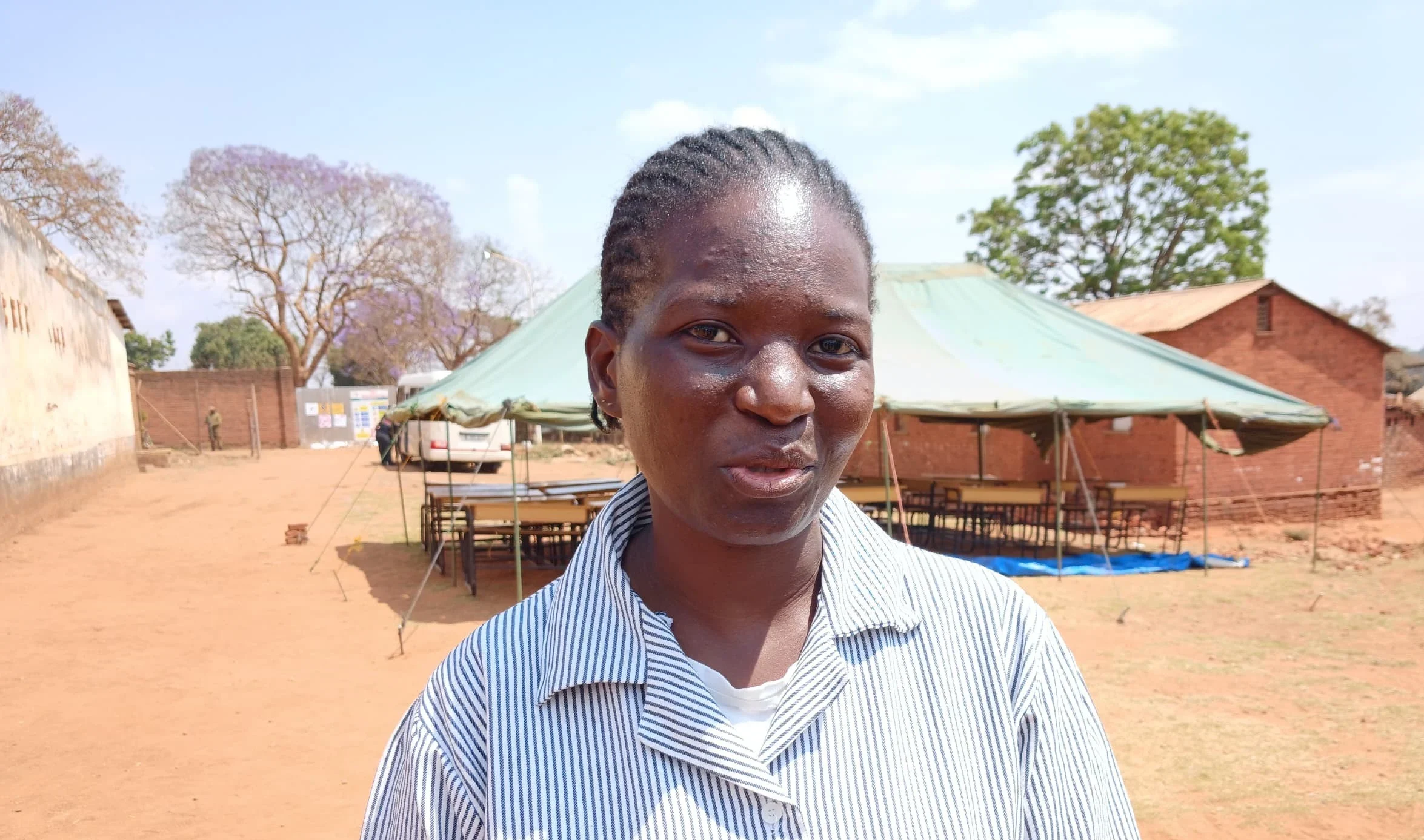
Malawi: Phiri Case Exposes Prolonged Pre-Trial Detention
Summary
- Maria Chimimba Phiri, an inmate at Kachere Prison in Lilongwe, spent eight years on remand before her conviction.
- She is currently serving a seventeen-year sentence for assault, having already completed five years of her term.
- During a visit to the prison by the Parliamentary Women's Caucus, Phiri appealed to the government for assistance for individuals facing prolonged pre-trial detention.
- Her appeal highlights systemic Malawi criminal justice delays and potential Malawi human rights violations detention.
A Prisoner's Plea for Justice
Such extended detentions undermine the principle of innocent until proven guilty, effectively punishing individuals before their guilt has been legally established.
Maria Chimimba Phiri, an inmate currently held at Kachere Prison in Lilongwe, has brought critical attention to the pervasive issue of Malawi prolonged pre-trial detention. Phiri, who is serving a seventeen-year sentence for an assault conviction, has already spent five years incarcerated following her sentencing. Her case, however, highlights a more systemic problem within the Malawian justice system: the extensive periods individuals spend in custody before their trials conclude.
Phiri herself endured a staggering eight years on remand, awaiting the finalization of her legal proceedings before her eventual conviction. It was during a visit to the prison by the Parliamentary Women's Caucus that she seized the opportunity to voice her concerns. She issued a direct appeal to the government, urging officials to intervene and provide assistance to the many individuals who find themselves in similar predicaments, languishing in detention for years without their cases being resolved.
Her powerful testimony underscores the severe human cost associated with judicial delays. Phiri's plea was not solely for her own situation, but a broader call for justice on behalf of countless others whose fundamental Malawi remand inmate rights are compromised by an overburdened or inefficient legal process. This public appeal serves as a stark reminder of the urgent need for reforms to address the protracted timelines that characterize many criminal cases in the country.
The Systemic Challenge of Prolonged Detention
The experience of Maria Chimimba Phiri is emblematic of the significant challenges facing Malawi's criminal justice system, particularly concerning Malawi prolonged pre-trial detention. Lengthy periods spent on remand, such as the eight years Phiri endured, represent a severe impediment to justice and often constitute Malawi human rights violations detention. These delays can lead to overcrowding in facilities like Kachere Prison, exacerbating already difficult Kachere Prison detention conditions and placing immense strain on resources.
Such extended detentions undermine the principle of innocent until proven guilty, effectively punishing individuals before their guilt has been legally established. The inability of the judicial system to process cases efficiently contributes directly to Malawi criminal justice delays, impacting not only the accused but also victims and the broader public's confidence in the rule of law. Addressing these systemic issues requires a multi-faceted approach, including improvements in investigative processes, judicial capacity, and access to legal aid.
The call for government intervention, as articulated by Phiri, highlights the urgent necessity for policy and procedural changes. Without swift action, the fundamental rights of individuals awaiting trial will continue to be jeopardized, perpetuating a cycle of injustice and eroding trust in the legal framework designed to protect all citizens. The challenges extend to areas like Malawi bail application challenges, where delays in processing or hearing bail requests can further contribute to prolonged pre-trial periods.
Why This Appeal Resonates
Maria Chimimba Phiri's appeal carries significant weight because it brings a human face to the abstract problem of judicial inefficiency. Her personal account of eight years spent on remand before conviction serves as a compelling argument for greater accountability and expedited judicial processes. The fact that this plea was made directly to a parliamentary delegation during their visit amplifies its potential impact, placing the issue squarely before legislative representatives who have the power to influence change.
The widespread occurrence of Malawi prolonged pre-trial detention is a critical concern for human rights advocates and legal professionals alike. It points to a broader systemic vulnerability where individuals, often from marginalized communities, can be held for years without resolution, impacting their livelihoods, families, and mental well-being. The Maria Chimimba Phiri appeal, therefore, is not merely an isolated cry for help but a powerful indictment of a system struggling to uphold its constitutional obligations.
This situation necessitates a concerted effort to review and reform judicial procedures, ensuring that cases are heard and concluded within reasonable timeframes. It also underscores the importance of strengthening legal mechanisms that allow for challenges against undue detention, thereby protecting Malawi remand inmate rights. The ongoing scrutiny of such cases is vital for fostering a more equitable and efficient criminal justice system in Malawi.
Practical Implications
This article highlights increasing scrutiny on the issue of prolonged pre-trial detention in Malawi. Lawyers should be aware of potential human rights violations and grounds for challenging lengthy detentions for their clients, or for advocating for systemic reforms to expedite judicial processes.
Source
Source: Original reporting via Malawi24
How does this affect you?
Get an AI analysis of this article grounded in your jurisdictions, practice areas, and any policy documents you've uploaded to Wansom.
Finish Reading the Full Story and the Expert Analysis.
Wansom is AI and can make mistakes.