
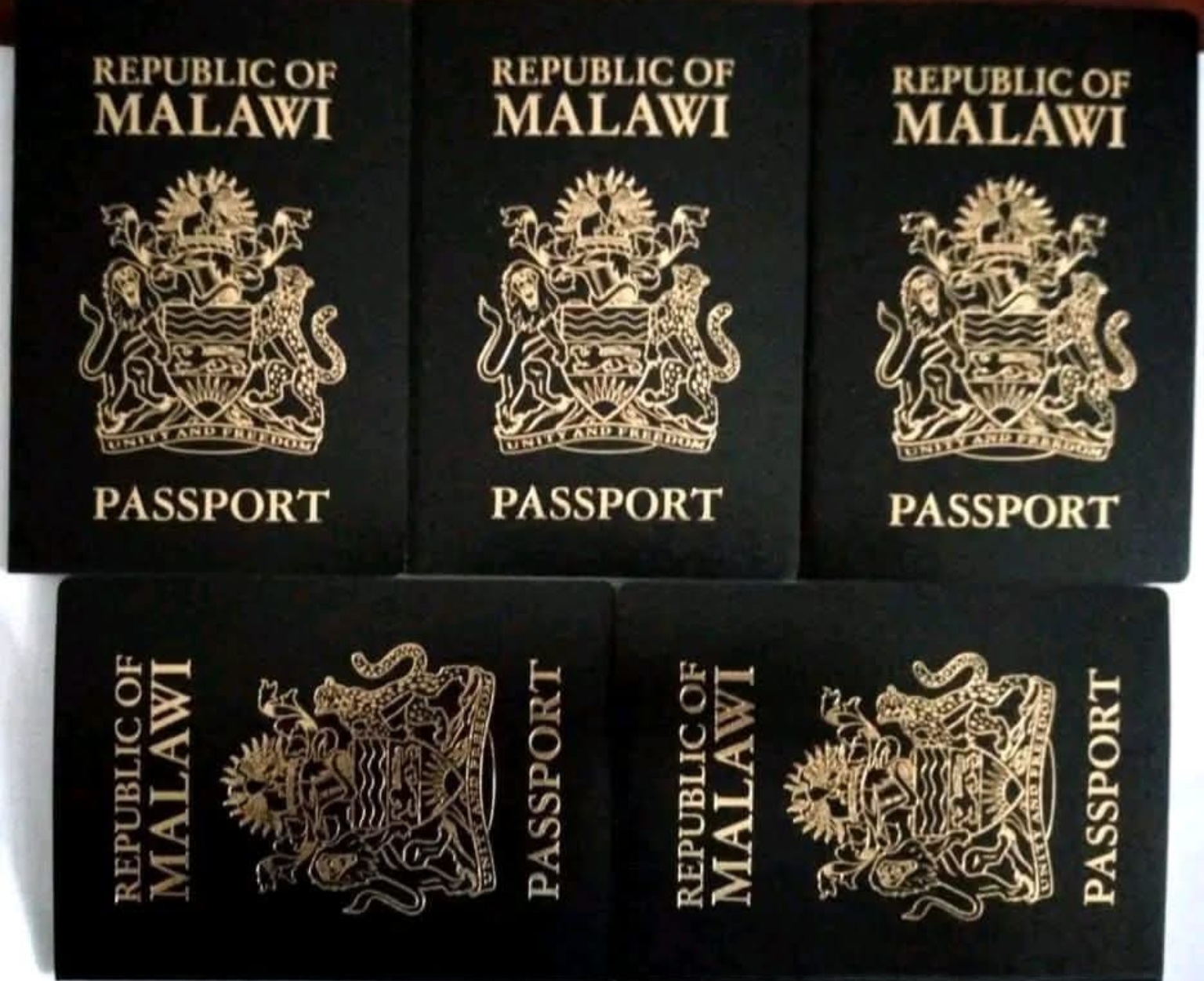
Malawi Immigration: Passport Crisis Strands Citizens
Malawi’s Department of Immigration and Citizenship Services has, for several weeks, been unable to issue passport booklets due to a critical shortage, leading to a quiet rationing system that has stranded applicants for months. This operational failure, exposed by an investigation, highlights a significant breakdown in the delivery of essential public services by the Malawian government, directly impacting citizens' ability to travel and conduct personal or business affairs internationally. The situation underscores a systemic issue within the department, moving beyond mere inconvenience to a potential crisis of governance and public trust. The excerpt does not report any specific legal ruling or outcome, but rather describes an ongoing administrative challenge.
This development carries substantial legal significance for Malawian citizens and the broader legal framework. The inability to obtain a passport directly impinges on the constitutional right to freedom of movement, enshrined in Section 39 of the Malawian Constitution, which guarantees every person the right to leave Malawi and to return to Malawi. Furthermore, it affects economic activity, as individuals cannot travel for business, education, or employment opportunities abroad, potentially leading to significant financial losses and missed opportunities. For legal practitioners, this situation raises questions about administrative accountability, the potential for judicial review of administrative inaction, and the remedies available to individuals whose rights have been infringed by the state's failure to provide a mandated service.
The legal context for this crisis is rooted in the Malawian Constitution and specific legislation governing immigration and citizenship. The Department of Immigration and Citizenship Services operates under the Immigration Act and the Citizenship Act, which mandate its functions, including the issuance of passports. The failure to fulfill this statutory duty could be challenged under administrative law principles, which require public bodies to act reasonably, fairly, and within their powers. While no specific court case is mentioned, the High Court of Malawi, exercising its judicial review jurisdiction, would be the appropriate forum for citizens to seek redress for such administrative failures, potentially through orders of mandamus compelling the department to act or declarations of rights violations.
The key parties involved are primarily the Malawian Department of Immigration and Citizenship Services, the Malawian government as the overarching authority, and the numerous Malawian citizens who are currently unable to obtain passports. While no specific companies or individuals are named as having initiated legal action, the impact is widespread across the populace.
For practitioners, it is crucial to monitor the Department's response and any official statements regarding the resolution of the booklet shortage. Attorneys should be prepared to advise clients on potential avenues for redress, including formal complaints to the Ombudsman, applications for judicial review, or even constitutional challenges based on the infringement of fundamental rights. Businesses with employees requiring international travel should assess the operational risks and explore contingency plans, while public interest lawyers may consider collective actions to compel the government to address this critical service delivery failure promptly.
How does this affect you?
Get an AI analysis of this article grounded in your jurisdictions, practice areas, and any policy documents you've uploaded to Wansom.
Finish Reading the Full Story and the Expert Analysis.
Get the latest legal & regulatory intelligence in Malawi
Wansom is AI and can make mistakes.