
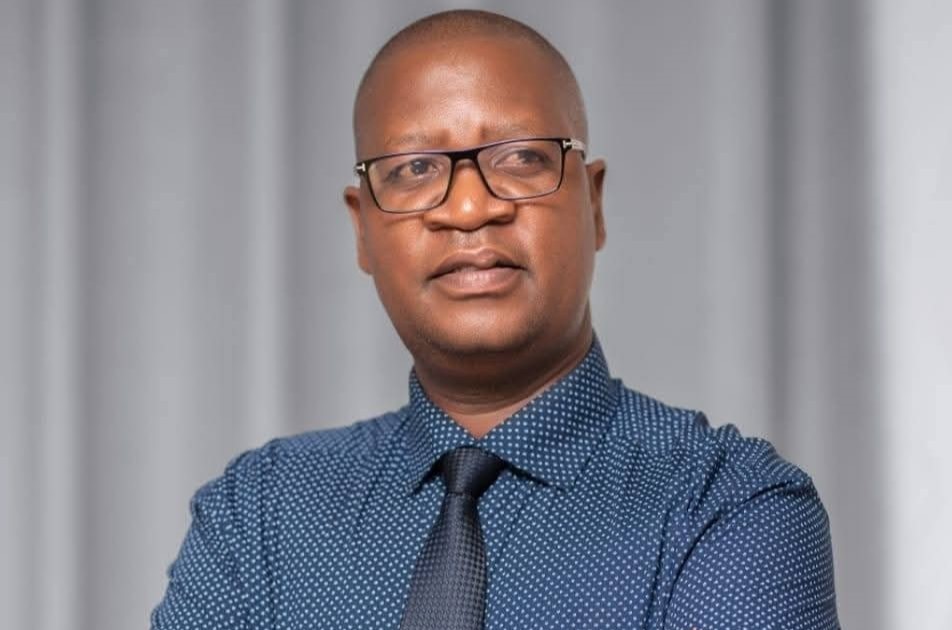
Malawi HRDC: Ad-hoc Committee Split Over DPP Government Assessment
Summary
- Divisions have emerged within the Human Rights Defenders Coalition (HRDC) in Malawi.
- A new group, the HRDC Ad-hoc Committee, has formed as a breakaway faction.
- Sammy Aaron serves as the national coordinator for this independent ad-hoc committee.
- The HRDC Ad-hoc Committee recently assessed the Democratic Progressive Party (DPP) government's first year in office.
- Sammy Aaron confirmed that his committee did not seek permission from the main HRDC for its activities.
Internal Strife within Malawi's HRDC
The emergence of the Malawi HRDC Ad-hoc Committee split and its independent operations carry significant implications for the landscape of human rights advocacy and civil society engagement in Malawi.
A notable internal schism has emerged within the Human Rights Defenders Coalition (HRDC) in Malawi, a prominent civil society organization. This HRDC internal conflict has led to the formation of a distinct faction, identifying itself as the Malawi HRDC Ad-hoc Committee. This newly established group has already undertaken significant independent action, specifically conducting an evaluation of the Democratic Progressive Party (DPP) government's performance during its initial year in office.
The Malawi HRDC Ad-hoc Committee split represents a significant development for the broader Human Rights Defenders Coalition Malawi. Sammy Aaron, who serves as the national coordinator for this ad-hoc committee, has publicly addressed the nature of these divisions. His statements clarify the independent operational approach adopted by his group, underscoring the depth of the internal disagreements that have surfaced within the larger human rights advocacy body.
The Ad-hoc Committee's Independent Stance
The independent posture of the Sammy Aaron HRDC Ad-hoc committee is clearly articulated through its coordinator's remarks. Aaron explicitly stated that his group did not seek authorization or permission from the main HRDC body for its activities. This declaration highlights a deliberate move towards autonomy, indicating that the ad-hoc committee operates without direct oversight or sanction from the established leadership of the Human Rights Defenders Coalition.
This assertion of independence is particularly relevant given the committee's recent undertaking: a comprehensive DPP government assessment Malawi. By proceeding with such a high-profile evaluation without the endorsement of the primary HRDC structure, the ad-hoc committee signals a departure from unified action, further illustrating the extent of the Malawi civil society divisions that have come to light. The decision to conduct this assessment independently underscores the faction's commitment to its own agenda and methodology.
Implications for Civil Society and Governance
The emergence of the Malawi HRDC Ad-hoc Committee split and its independent operations carry significant implications for the landscape of human rights advocacy and civil society engagement in Malawi. Such HRDC internal conflict can potentially fragment the collective voice of human rights organizations, which traditionally rely on unity to exert influence and legitimacy. The existence of a breakaway group conducting its own assessments, separate from the main Human Rights Defenders Coalition Malawi, may introduce complexities for stakeholders, including government entities, international partners, and the public, in discerning the unified stance of human rights defenders.
These Malawi civil society divisions could affect the perceived authority and impact of advocacy efforts. When different factions within a previously unified movement pursue separate agendas, even if aligned in principle, it can dilute the overall message and create challenges for coordinated action. The independent DPP government assessment Malawi by the Sammy Aaron HRDC Ad-hoc committee, while a legitimate exercise of civil oversight, also serves as a public manifestation of these internal rifts, potentially influencing how human rights organizations are perceived and engaged with in the country. This development underscores the evolving dynamics within Malawi's civil society, where internal cohesion now faces scrutiny amidst efforts to hold governmental bodies accountable.
Practical Implications
Lawyers advising clients on human rights advocacy or engaging with civil society organizations in Malawi should note the internal divisions within the HRDC. This split may affect the perceived legitimacy and unified voice of human rights groups, influencing stakeholder engagement and the impact of advocacy efforts.
Source
How does this affect you?
Get an AI analysis of this article grounded in your jurisdictions, practice areas, and any policy documents you've uploaded to Wansom.
Finish Reading the Full Story and the Expert Analysis.
Get the latest legal & regulatory intelligence in Malawi
Wansom is AI and can make mistakes.