
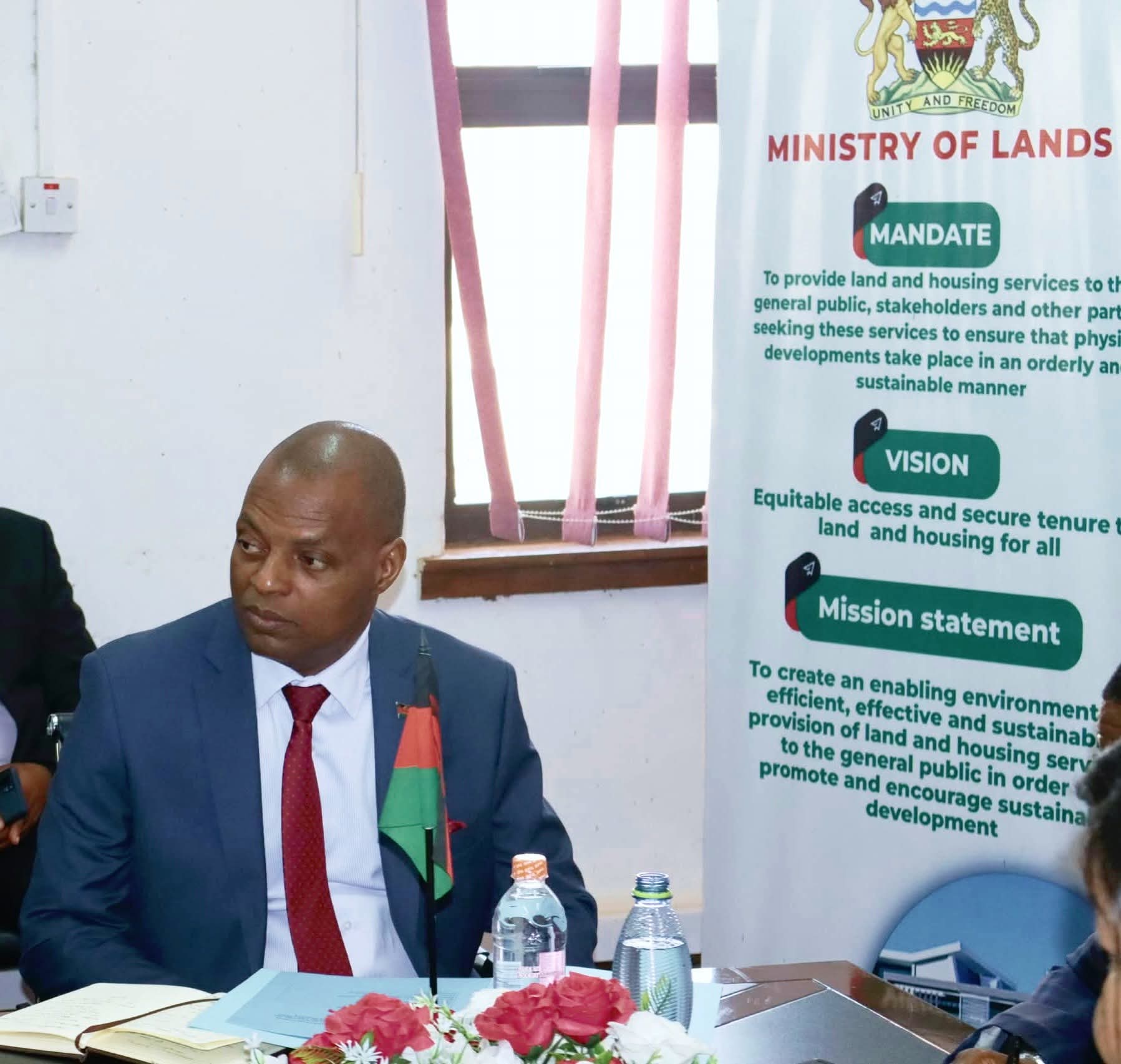
Malawi Government Delays Land Allocation Due to Unpaid Compensation
In Malawi, the government has failed to allocate plots for development at three identified sites – Area 54 in Lilongwe, Dunduzu in Mzuzu, and Matindi in Blantyre – due to persistent delays in compensating the current occupants. This situation has stalled planned development projects for several years, despite the sites having been identified for development. The Principal Secretary for Lands, Housing and Urban Development, Bennett, is noted as providing context to this ongoing issue.
This situation underscores critical issues in land acquisition and development in Malawi, particularly concerning compulsory acquisition and the rights of affected communities. For practitioners, it highlights the legal and practical complexities of land tenure, compensation frameworks, and the potential for significant project delays when these processes are not meticulously managed. It also signals potential risks for developers looking to invest in government-identified sites, as the readiness of the land for development is contingent on prior legal obligations, such as compensation, being fully met.
The legal framework governing land acquisition and compensation in Malawi is primarily found in the Land Act, the Physical Planning Act, and the Land Acquisition Act. These statutes outline the procedures for government acquisition of land for public purposes, the requirement for fair and adequate compensation, and the rights of individuals whose land is acquired. The Malawian court system, including the High Court, would be the appropriate forum for resolving disputes arising from inadequate compensation or unlawful acquisition. The Ministry of Lands, Housing and Urban Development, through its Principal Secretary, is a key government entity responsible for implementing these laws.
Key parties involved include the Malawian Government, specifically the Ministry of Lands, Housing and Urban Development (represented by Principal Secretary Bennett), the unnamed occupants of Area 54, Dunduzu, and Matindi, and potential developers awaiting plot allocation. Nyasa Times reported on this issue. Attorneys advising clients on land development projects or land transactions in Malawi must conduct thorough due diligence regarding land ownership, existing occupancy, and the status of any compensation processes. They should emphasize the importance of ensuring all legal requirements for land acquisition, particularly compensation, are fully met before committing to development plans to avoid costly delays and potential legal challenges. The outcome of this matter, specifically regarding when compensation will be paid or plots allocated, is not yet reported.
How does this affect you?
Get an AI analysis of this article grounded in your jurisdictions, practice areas, and any policy documents you've uploaded to Wansom.
Finish Reading the Full Story and the Expert Analysis.
Get the latest legal & regulatory intelligence in Malawi
Wansom is AI and can make mistakes.