
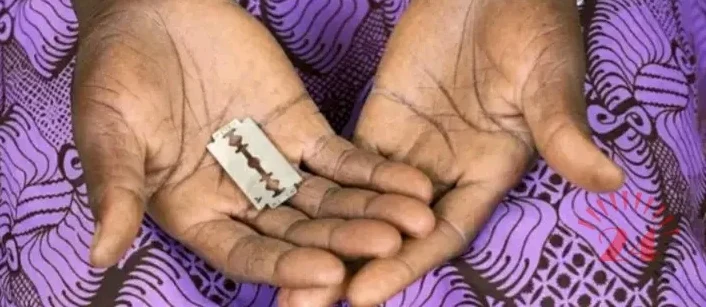
Malawi Experts: End Traditional Circumcision for Minors After Death
Summary
- Child rights experts are urging the Malawian government to abolish traditional circumcision practices for children.
- This call follows the reported death of a nine-year-old boy in Thyolo District after undergoing traditional circumcision at an initiation camp.
- Experts argue that these practices violate children's rights and expose them to serious health risks.
- The advocates believe the state has a duty to protect minors from harmful traditional customs.
Tragic Incident Prompts Urgent Call
The urgent appeal comes in the wake of the reported death of a nine-year-old boy, who is said to have succumbed to complications following a traditional circumcision procedure.
A recent tragedy in Malawi's Thyolo District has prompted a strong rebuke from child rights experts, who are now urging the government to outlaw traditional circumcision practices involving minors. The urgent appeal comes in the wake of the reported death of a nine-year-old boy, who is said to have succumbed to complications following a traditional circumcision procedure. The incident occurred at an initiation camp within the district, bringing the contentious issue of child participation in such rituals to the forefront of public discourse.
The death of the young boy has intensified long-standing concerns among advocates for children's welfare. These experts contend that the continuation of traditional circumcision for children not only poses grave health dangers but also fundamentally infringes upon the rights of the child. Their collective voice is now directed at national authorities, demanding decisive action to safeguard vulnerable minors from practices deemed both perilous and rights-violating.
Legal and Ethical Foundations of the Demand
The core of the argument put forth by child rights experts rests on two critical pillars: the inherent violation of children's fundamental rights and the significant health hazards associated with these traditional practices. When children are subjected to procedures like traditional circumcision, particularly in settings that may lack proper medical oversight, their right to health, safety, and bodily integrity is often compromised. Experts highlight that children, due to their age and developmental stage, may not be able to provide informed consent, raising profound ethical questions about their participation in such rituals.
Furthermore, the health risks cited by these advocates are not merely theoretical. Traditional circumcision, when performed outside of regulated medical environments, can lead to a spectrum of severe complications. These can include infections, excessive bleeding, pain, and in tragic cases like the one reported in Thyolo District, even death. The absence of sterile conditions, trained practitioners, and post-procedure care in some traditional settings significantly elevates the danger, transforming a cultural rite into a potential medical emergency. This vulnerability is precisely why experts are pushing for a re-evaluation of these practices when they involve minors.
Implications for Government Policy
In light of these pressing concerns, child rights experts are not merely calling for reform but for the complete abolition of traditional circumcision practices when applied to children. This demand places a direct onus on the Malawian government to intervene and establish protective legislation. The experts' position underscores the belief that the state has a paramount duty to protect its youngest citizens from harm, even when such harm is rooted in cultural or traditional practices.
The abolition sought by these advocates would represent a significant policy shift, prioritizing the safety and rights of children above traditional customs that are perceived to carry undue risk. Such a move would necessitate a comprehensive approach, potentially involving public awareness campaigns, engagement with traditional leaders, and the enforcement of new legal frameworks. The tragic death in Thyolo District serves as a stark reminder of the urgent need for governmental consideration and action on this sensitive and critical issue, aiming to prevent future fatalities and uphold the rights of every child.
Source
Source: Original reporting via Malawi24
How does this affect you?
Get an AI analysis of this article grounded in your jurisdictions, practice areas, and any policy documents you've uploaded to Wansom.
Wansom is AI and can make mistakes.