
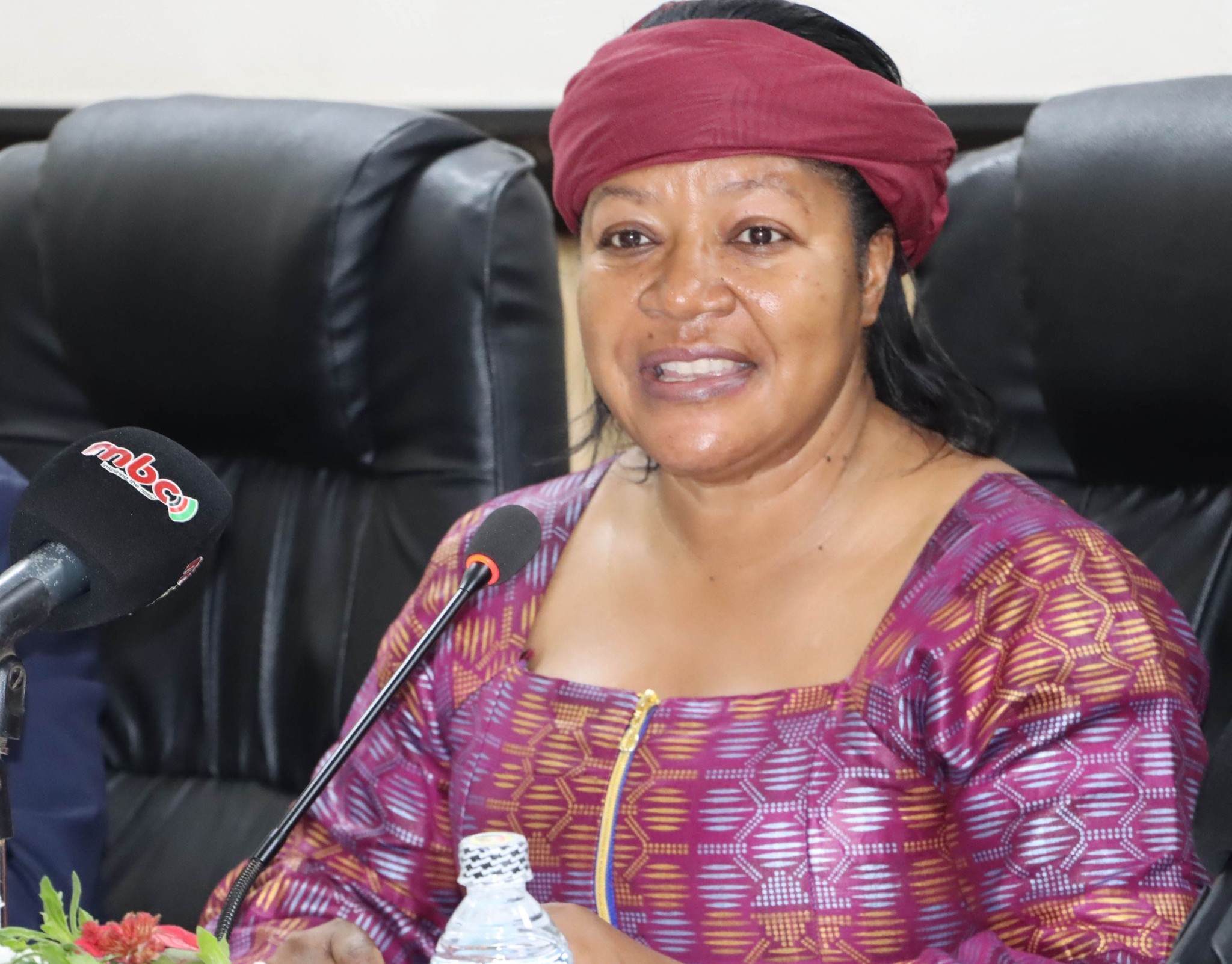
Malawi Energy Minister: 2030 Plan Targets Energy Deficit End
Summary
- Malawi's Energy Minister, Jean Mathanga, has announced a plan to eliminate the national energy deficit by 2030.
- The strategy involves a significant shift from biomass to cleaner energy sources and an expansion of electricity generation to support economic transformation.
- A key target is to transition 75 percent of Malawian households to clean cooking methods, including LPG and electric stoves, by 2030.
- This ambitious plan aims to improve energy access, public health, and environmental sustainability across the nation.
Malawi's Ambitious Energy Vision for 2030
Malawi's Energy Minister, Jean Mathanga, has unveiled a comprehensive strategy aimed at eradicating the nation's energy deficit by the year 2030.
Malawi's Energy Minister, Jean Mathanga, has unveiled a comprehensive strategy aimed at eradicating the nation's energy deficit by the year 2030. This ambitious Malawi energy minister 2030 plan centers on a dual approach: a significant transition away from traditional biomass fuels towards cleaner energy sources, coupled with a substantial expansion of the country's electricity generation capacity. The overarching goal of this strategic shift is to underpin and accelerate Malawi's economic transformation.
The minister's pronouncements highlight a clear commitment to modernizing the energy sector, recognizing its pivotal role in national development. The Jean Mathanga energy strategy emphasizes not just increasing energy availability but also improving the quality and sustainability of energy sources. This forward-looking initiative is expected to have far-reaching implications across various sectors, from industrial growth to household well-being.
This strategic pivot represents a critical juncture for Malawi, signaling a departure from energy reliance on less sustainable methods. The focus on expanding electricity generation is particularly crucial for supporting industrialization and urban development, while the move towards cleaner energy addresses environmental concerns and public health. The 2030 deadline sets a clear and challenging benchmark for the nation's energy sector.
Targeting Clean Cooking Solutions
A cornerstone of the Malawi energy minister 2030 plan is a specific and aggressive target for household energy consumption: transitioning 75 percent of Malawian households to clean cooking methods by 2030. This initiative, central to the Malawi clean cooking 2030 agenda, aims to mitigate the widespread health and environmental issues associated with traditional cooking fuels, primarily biomass.
To achieve this ambitious clean cooking goal, the strategy explicitly includes the promotion and adoption of modern cooking technologies. Specifically, the plan outlines the widespread introduction and utilization of both Liquefied Petroleum Gas (LPG) and electric stoves. This focus on Malawi LPG electric stoves underscores a practical approach to replacing conventional cooking practices with more efficient and healthier alternatives.
This targeted intervention is designed to improve indoor air quality, reduce deforestation pressures, and enhance the overall quality of life for a significant majority of Malawian families. The emphasis on specific technologies like LPG and electric stoves provides a clear roadmap for implementation and investment within the clean cooking sector.
Broader Implications for Energy and Economy
The comprehensive Malawi energy minister 2030 plan signifies a profound shift in the nation's energy landscape, moving Malawi biomass to clean energy. This transition is not merely about fuel types but about fostering a more sustainable and resilient energy infrastructure. The expansion of electricity generation, a key component of the Malawi electricity generation expansion strategy, is vital for powering economic growth across various sectors, from agriculture to manufacturing.
The commitment to ending the energy deficit by 2030, as articulated by Minister Mathanga, positions Malawi for enhanced industrial productivity and improved social services. Reliable and clean energy access is a fundamental prerequisite for attracting investment, creating jobs, and improving public health outcomes. The strategic shift away from biomass is particularly impactful, given its traditional dominance in the energy mix and its associated environmental and health burdens.
Ultimately, this ambitious energy strategy is designed to be a catalyst for broader economic transformation. By ensuring a stable, clean, and expanded energy supply, Malawi aims to unlock its full economic potential, improve living standards, and secure a more sustainable future for its citizens. The detailed plan, including specific targets for clean cooking and generation expansion, provides a clear framework for achieving these national objectives.
Practical Implications
This signals potential future regulatory changes and investment opportunities in Malawi's energy sector, particularly for businesses involved in clean energy, electricity generation, or LPG/electric appliance distribution, requiring legal counsel to monitor policy developments and advise on compliance with upcoming standards.
Source
How does this affect you?
Get an AI analysis of this article grounded in your jurisdictions, practice areas, and any policy documents you've uploaded to Wansom.
Finish Reading the Full Story and the Expert Analysis.
Wansom is AI and can make mistakes.