
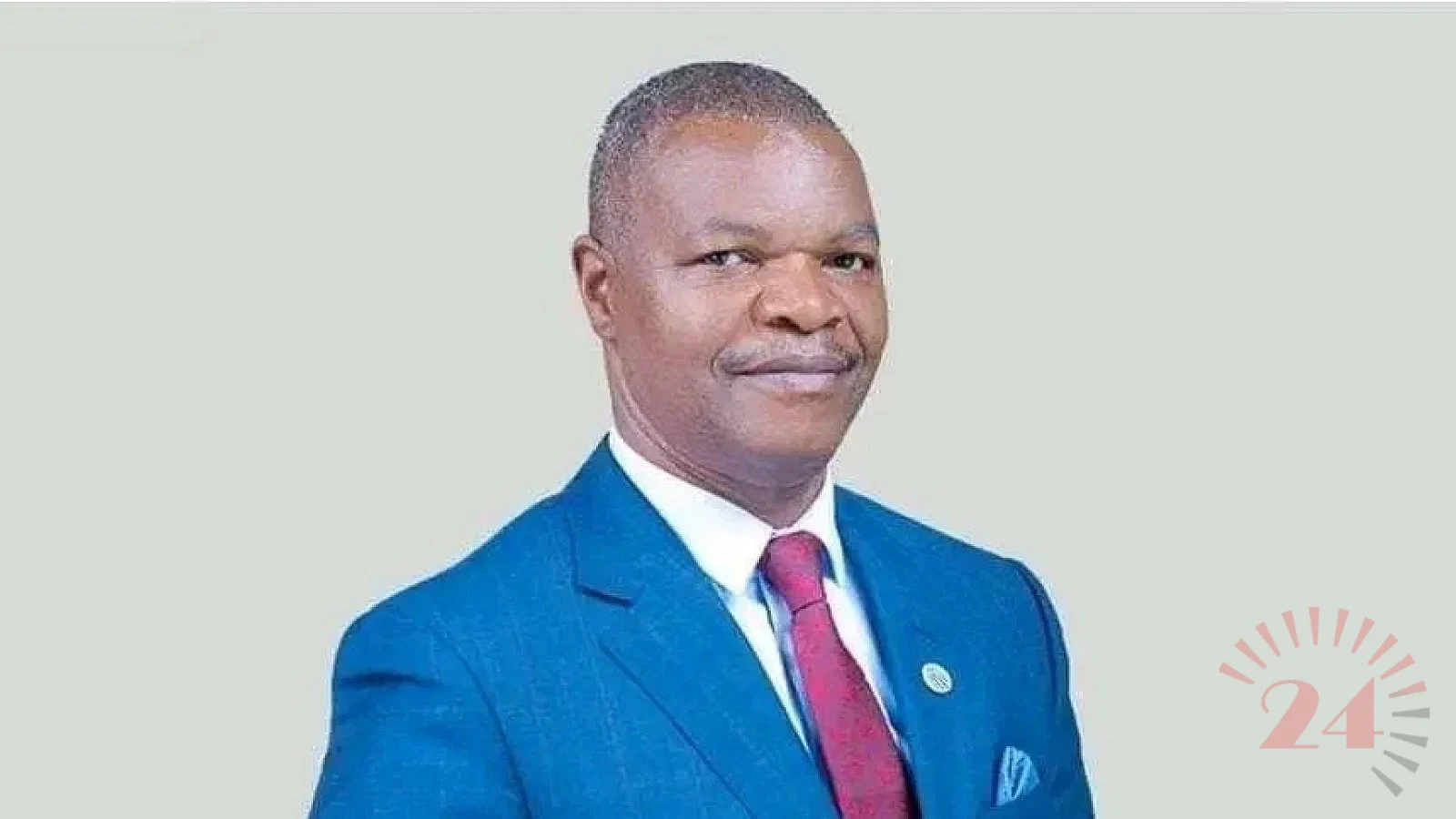
Egenco: William Liabunya Rehire in Malawi Lacks Transparency
Summary
- William Liabunya was sent on forced leave by the Egenco board in 2023, and a forensic audit was ordered but its findings were later reported in the media.
- His contract with Egenco had expired two years prior to his reinstatement in late 2025.
- Mr. Liabunya was rehired by Egenco within days of his acquittal in a legal case, but was recently suspended in November 2026.
- No public explanation has been provided by the Egenco board regarding the rationale or process of his rehiring.
- The situation raises significant concerns about corporate governance and transparency within Malawi's state-owned enterprises.
The Reinstatement of William Liabunya
The absence of a clear public account regarding the Egenco board's decision-making process undermines trust and suggests a lack of commitment to transparent operational standards.
William Liabunya, who had been reinstated as Chief Executive Officer of Egenco in late 2025, was recently suspended from his position in November 2026 amidst new investigations into procurement processes and financial management. This move has drawn considerable attention due to the circumstances surrounding his departure and return. In 2023, the Egenco board initiated a forced leave for Mr. Liabunya. Concurrently with this action, the board commissioned a comprehensive forensic audit into operations, the findings of which were later reported in the media in 2024 and 2025, detailing procurement irregularities.
Adding to the complexity of the situation, Mr. Liabunya's contract with Egenco had expired two years prior to his recent rehiring. His return to the state-owned enterprise occurred swiftly, within mere days of his acquittal in a legal matter. However, the specific process and rationale behind the Egenco board's decision to rehire William Liabunya have not been publicly disclosed, leaving many questions unanswered regarding the transparency of the process in Malawi.
Corporate Governance and Transparency Concerns
The opaque nature of William Liabunya's rehiring at Egenco raises significant questions about Malawi corporate governance within state-owned enterprises. A key concern, at the time, was the non-publication of the forensic audit ordered by the Egenco board. Without access to these findings, stakeholders lacked crucial information that could shed light on the circumstances leading to Mr. Liabunya's initial forced leave and subsequent return.
The decision to rehire a senior official whose contract had lapsed two years prior, and to do so immediately following an acquittal, without any public explanation, challenges principles of accountability. This scenario highlights potential weaknesses in internal policies governing Malawi public sector rehiring, particularly for high-ranking individuals. The absence of a clear public account regarding the Egenco board's decision-making process undermines trust and suggests a lack of commitment to transparent operational standards.
Implications for Public Sector Integrity
The case of William Liabunya's Egenco rehire in Malawi underscores broader issues concerning integrity and oversight within the nation's public sector. While an acquittal resolves legal charges, it does not automatically address any internal findings or recommendations that might have emerged from a forensic audit. The fact that the Egenco forensic audit Malawi remains unpublished, even after Mr. Liabunya's acquittal, creates an information vacuum that can foster speculation and erode public confidence.
Ensuring robust corporate governance in state-owned entities like Egenco is vital for economic stability and public trust. The lack of clarity surrounding Mr. Liabunya's return, especially given his contract expiry and the undisclosed audit, suggests a need for stricter adherence to transparency protocols. This situation calls for a re-evaluation of how state-owned enterprises manage senior personnel transitions, particularly when internal investigations have been conducted, to uphold the highest standards of accountability in Malawi.
Practical Implications
This case highlights potential corporate governance and transparency concerns within Malawian state-owned enterprises, particularly regarding rehiring processes for senior officials post-acquittal without public disclosure of related forensic audit findings. Lawyers advising SOEs or compliance officers monitoring public sector integrity should review internal policies for such scenarios and ensure robust due diligence and transparency standards are met.
Source
Source: Original reporting via Malawi24
How does this affect you?
Get an AI analysis of this article grounded in your jurisdictions, practice areas, and any policy documents you've uploaded to Wansom.
Finish Reading the Full Story and the Expert Analysis.
Get the latest legal & regulatory intelligence in Malawi
Wansom is AI and can make mistakes.