
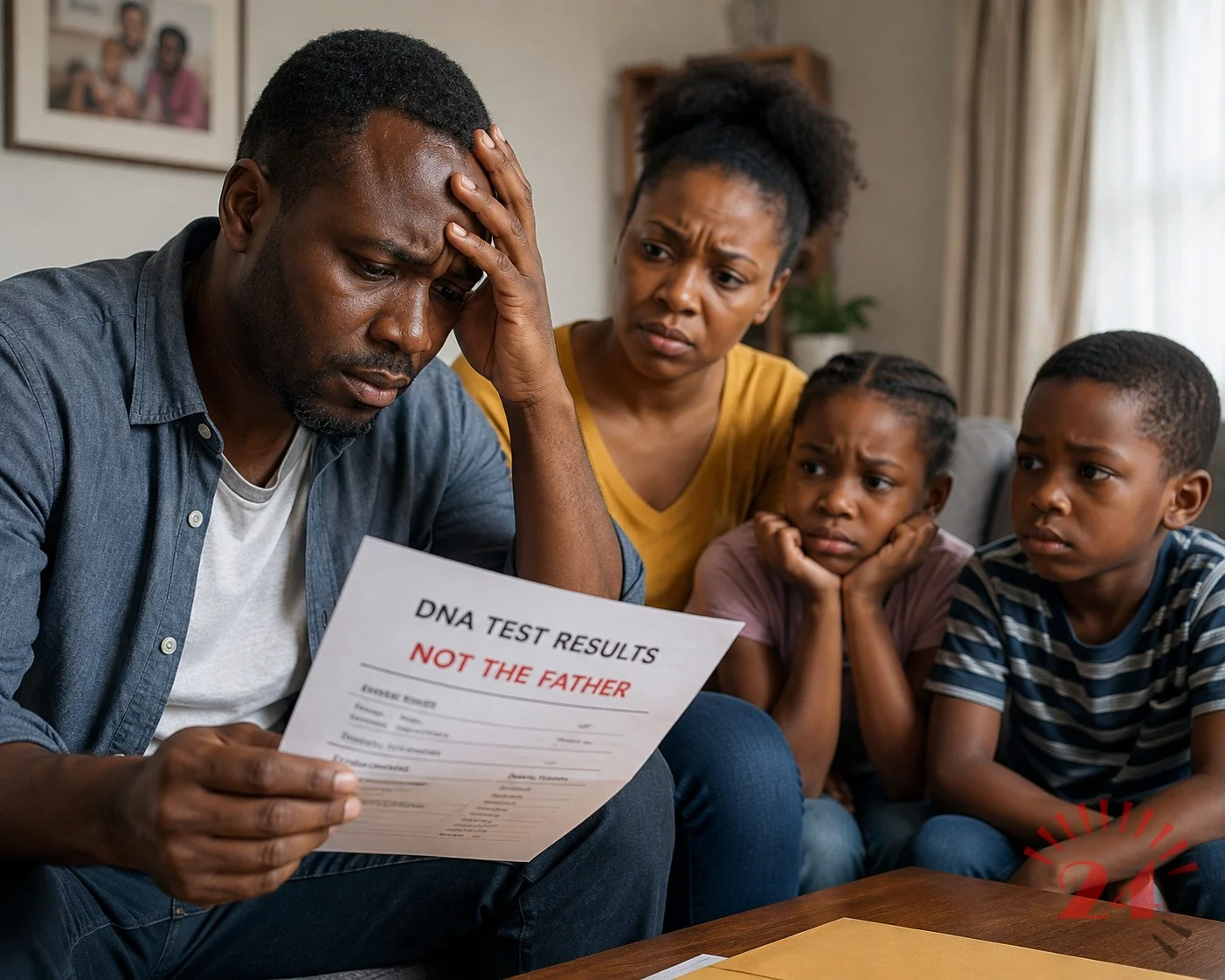
Malawi: DNA Paternity Test Findings Show Widespread Non-Paternity
Summary
- Many Malawian fathers who underwent DNA paternity tests were disappointed by the results.
- Genetic scientist Kingdom Kwapata reported that his tests frequently show fathers raising non-biological children.
- These findings indicate a significant prevalence of non-paternity cases within Malawian households.
- The revelations are expected to increase family law cases involving paternity disputes and challenges to support or inheritance.
Startling Paternity Discoveries in Malawi
Lawyers in Malawi should anticipate a potential surge in cases involving paternity disputes, as fathers armed with DNA evidence may seek to challenge existing arrangements or establish new legal standings.
A significant number of Malawian fathers who sought DNA testing to verify the biological parentage of children within their households have reportedly been met with distressing results. These tests, undertaken to confirm familial bonds, have frequently revealed that the children in question are not biologically related to the men who believed themselves to be their fathers. This trend points to a widespread and emotionally charged issue affecting numerous families across the nation.
The findings underscore a complex social dynamic, where the expectation of biological fatherhood is often contradicted by scientific evidence. Such revelations can have profound personal, familial, and societal consequences, challenging established family structures and individual identities. The emotional toll on fathers discovering non-paternity is considerable, leading to disappointment and often necessitating a re-evaluation of long-held beliefs and relationships.
Expert Confirmation and Data Insights
The prevalence of these non-paternity cases has been corroborated by Kingdom Kwapata, a prominent genetic scientist in Malawi. Speaking to The Nation newspaper, Kwapata disclosed that the outcomes of the DNA tests he has personally conducted consistently demonstrate that a substantial proportion of fathers have been raising children who are not their biological offspring. His expert observations provide a scientific basis for understanding the scale of this phenomenon.
Kwapata's work as a leading DNA expert in Malawi offers crucial insights into the statistical reality of paternity disputes within the country. The data derived from his analyses directly supports the anecdotal evidence of widespread disappointment among fathers undergoing these tests. These Malawi DNA paternity test findings highlight a critical area for public discussion and legal consideration, given their potential impact on family law and social welfare.
Emerging Legal Challenges and Implications
The increasing frequency of non-paternity revelations carries significant legal implications for Malawi, particularly within the realm of family law. Lawyers in Malawi should anticipate a potential surge in cases involving paternity disputes, as fathers armed with DNA evidence may seek to challenge existing arrangements or establish new legal standings. This development necessitates a robust understanding of DNA evidence and its admissibility in court.
Such findings could lead to complex legal battles concerning child support paternity challenges, inheritance claims, and other aspects of family law where biological parentage is a foundational element. The legal system will need to adapt to address the non-paternity legal implications in Malawi, potentially requiring updated guidelines for handling DNA evidence and its impact on parental rights and responsibilities. Legal practitioners offering Malawi paternity dispute legal advice will find themselves at the forefront of these evolving challenges, requiring specialized knowledge to navigate cases where Malawi family law DNA evidence plays a decisive role. This situation underscores a growing area of legal contention that practitioners must be prepared to address comprehensively.
Practical Implications
Lawyers in Malawi should anticipate a potential increase in family law cases involving paternity disputes and challenges to child support or inheritance claims, necessitating a strong understanding of DNA evidence and its legal implications. This development highlights a growing area of legal contention that practitioners should be prepared to address.
Source
Source: Original reporting via Malawi24.
How does this affect you?
Get an AI analysis of this article grounded in your jurisdictions, practice areas, and any policy documents you've uploaded to Wansom.
Wansom is AI and can make mistakes.