
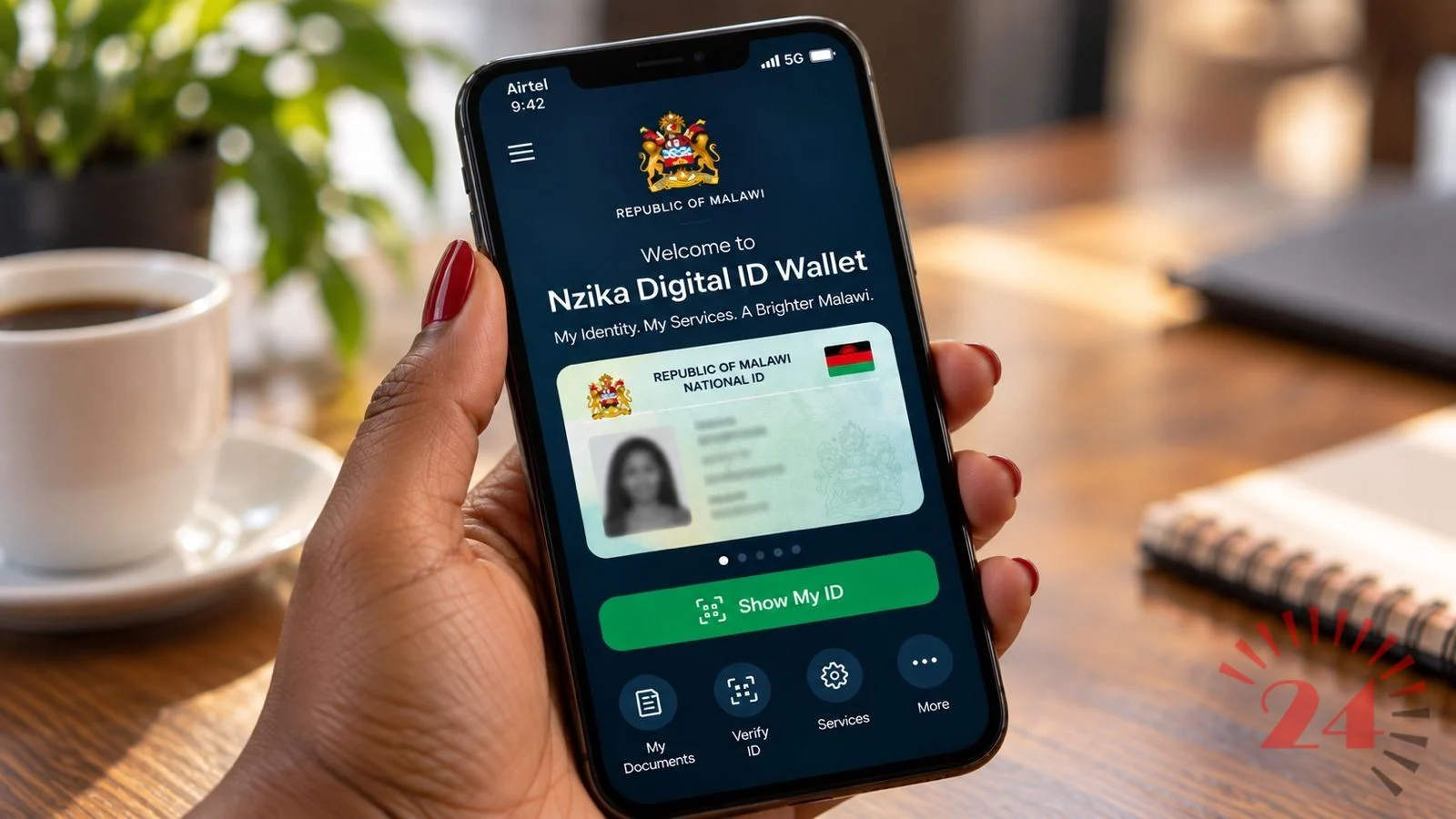
Malawi: Digital ID Contract Controversy Deepens with Nzika Wallet, US$5M Deal
Summary
- A Hong Kong-registered firm secured a US$5 million contract to supply Malawi's ID registration kits, which capture biometric data.
- The contract includes provisions for remote software support for the registration equipment.
- This same supplier previously built Malawi's first biometric register in 2017.
- Malawi's Data Protection Act was enacted in 2024 and came into force in June 2024, addressing previous gaps in data protection regulations, despite 13.5 million Malawians being in the national ID database.
- The contract is part of a broader controversy surrounding Malawi's multibillion digital identity system, which now includes the recently launched Nzika Wallet.
Contract Award Fuels Digital ID Debate
Lawyers and compliance officers in Malawi are therefore advised to counsel clients on these elevated risks.
A Hong Kong-registered firm has secured a significant US$5 million contract to supply Malawi's ID registration kits, a development that has intensified scrutiny over the nation's burgeoning digital identity system. These specialized kits are crucial for capturing sensitive biometric data, including fingerprints and facial scans, which are then integrated into the national ID database. The agreement notably includes provisions for remote software support to the registration equipment, raising questions about data access and security protocols.
This is not the first time the Hong Kong firm has played a pivotal role in Malawi's digital infrastructure. The same supplier was responsible for establishing Malawi's initial biometric register back in 2017, indicating a continued reliance on a single entity for core components of the national identification system. The ongoing expansion of this system, particularly with the latest contract for ID registration kits, is central to the broader Malawi digital ID contract controversy, which now includes the recently launched Nzika Wallet.
The substantial investment and the nature of the technology involved underscore the critical importance of robust oversight. The provision for remote software support, while potentially offering efficiency, also introduces a layer of complexity regarding who can access and manage the underlying systems that process Malawians' personal biometric information. This aspect is particularly pertinent given the sensitive nature of the data being collected and stored.
Unfinished Regulations Amidst Massive Data Collection
The award of the US$5 million contract for ID registration kits comes at a time when Malawi's Data Protection Act was enacted in 2024 and came into force in June 2024, addressing previous gaps in data protection regulations, creating a significant regulatory framework. This comprehensive legal framework is particularly important given that the national ID database already holds records for an estimated 13.5 million Malawians, encompassing their biometric and personal details.
With the Data Protection Act now in force, legal safeguards governing the collection, storage, and processing of this vast amount of sensitive information are now established. This situation helps mitigate data protection and privacy risks for individuals whose biometric data is being captured and stored. For businesses operating in Malawi, especially those that might interact with or rely on aspects of the national digital identity system, this regulatory clarity can aid in compliance.
Lawyers and compliance officers in Malawi are therefore advised to counsel clients on these evolving risks. The established regulatory environment, coupled with the controversial contract for ID registration kits, necessitates a cautious approach to handling personal data, particularly within the context of the national digital identity system and its associated components like the Nzika Wallet Malawi, which was officially launched in September 2026.
Security Implications for Malawi's National ID Database
The ongoing development of Malawi's multibillion digital identity system, including the recent contract for ID registration kits, brings to the forefront critical questions about the security of the Malawi national ID database. The inclusion of remote software support in the contract for the Hong Kong firm, which also served as the Malawi biometric register supplier in 2017, introduces potential vectors for security vulnerabilities if not managed with the utmost rigor and transparency.
Maintaining the integrity and confidentiality of biometric data for 13.5 million citizens requires an exceptionally robust security architecture and clear legal guidelines. With fully established data protection regulations, the mechanisms for accountability, data breach notification, and individual rights concerning their digital identity are now clearer. This situation helps address concerns regarding potential unauthorized access or misuse of highly sensitive personal information.
As the nation progresses with its digital transformation initiatives, including the recently launched Nzika Wallet, ensuring the highest standards of Malawi national ID database security is paramount. The current regulatory landscape underscores the urgent need for the finalization and implementation of comprehensive data protection laws to safeguard citizen data and build public trust in the country's digital identity infrastructure.
Practical Implications
Lawyers and compliance officers in Malawi should advise clients on the heightened data protection and privacy risks associated with the national digital identity system, particularly given the unfinished regulatory framework and the controversial contract for ID registration kits, which could expose businesses handling personal data to compliance vulnerabilities.
Source
Source: Original reporting via Malawi24
How does this affect you?
Get an AI analysis of this article grounded in your jurisdictions, practice areas, and any policy documents you've uploaded to Wansom.
Finish Reading the Full Story and the Expert Analysis.
Get the latest legal & regulatory intelligence in Malawi
Wansom is AI and can make mistakes.