
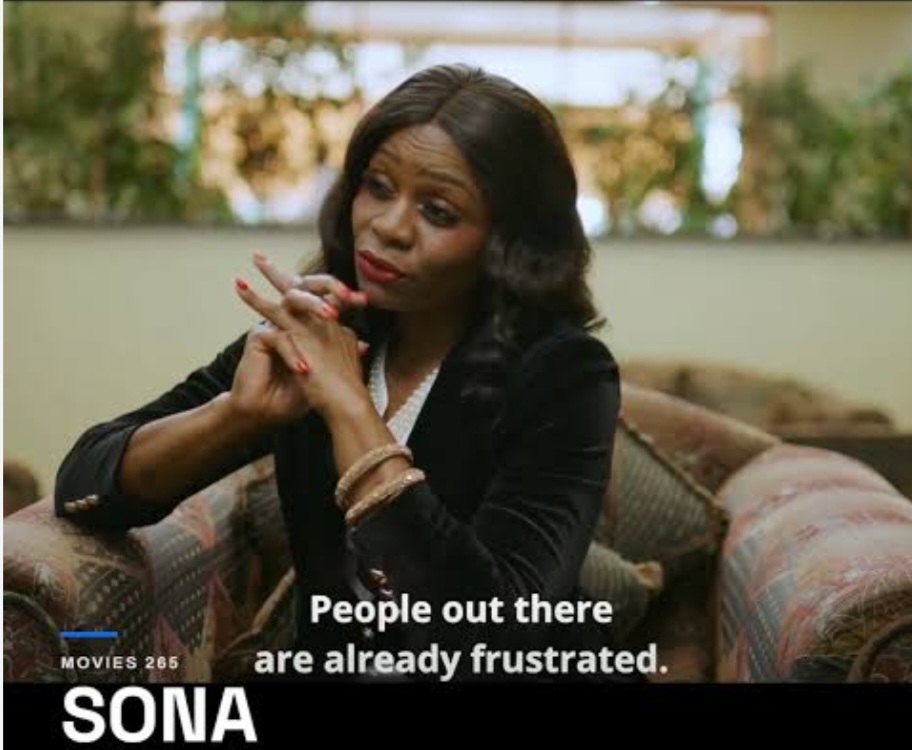
Malawi Blocks 'State of the National Address' Film Premiere
Summary
- Malawi's government blocked the premiere of the locally produced film "State of the National Address."
- The film was scheduled to be screened at the Bingu International Convention Centre in Lilongwe on a recent Friday.
- Ezaius Mkandawire, director of 4Kaya Films Inc, confirmed the government's intervention.
- The incident has ignited a significant debate within Malawi's creative industry regarding censorship and artistic freedom.
Government Blocks Film Premiere
The government's action against "State of the National Address" has brought the issue of artistic freedom in Malawi into sharp focus, prompting widespread discussion among artists, filmmakers, and cultural commentators.
Malawi's government recently intervened to prevent the scheduled premiere of a locally produced film titled "State of the National Address." The screening, which was set to take place at the Bingu International Convention Centre (BICC) in Lilongwe on a recent Friday, was abruptly halted by official action. This move has immediately ignited a significant debate within the nation's creative community concerning the boundaries of artistic expression and the role of censorship.
Ezaius Mkandawire, who directs 4Kaya Films Inc, the production company behind the film, publicly disclosed the government's decision to block the event. The intervention by state authorities to stop the public exhibition of a domestic cinematic work at a prominent national venue like the BICC marks a notable incident in the country's cultural landscape. The film's title itself, "State of the National Address," suggests a potentially critical or reflective commentary on national affairs, which may have contributed to the government's decision.
Artistic Freedom Under Scrutiny
The government's action against "State of the National Address" has brought the issue of artistic freedom in Malawi into sharp focus, prompting widespread discussion among artists, filmmakers, and cultural commentators. This incident serves as a stark reminder of the potential challenges faced by creators when their work touches upon sensitive topics or is perceived to be critical of established norms or authorities. The creative industry, a vital component of national identity and discourse, often finds itself at the forefront of such debates.
The blocking of the film's premiere underscores a broader concern about censorship in Malawi, raising questions about the criteria used to restrict artistic content and the mechanisms available for artists to challenge such decisions. The Bingu International Convention Centre, a key venue for national and international events, was to host this significant cultural moment, making the government's intervention particularly conspicuous. The incident highlights the delicate balance between governmental oversight and the constitutional right to freedom of expression, a balance that is now being actively re-evaluated by many within the Malawian arts sector.
Implications for Malawi's Creative Sector
This recent development carries considerable implications for the future of filmmaking and artistic endeavors across Malawi. When a locally produced film, intended for public viewing at a major venue, is prevented from being shown, it can create a chilling effect on other artists who might consider tackling socially or politically charged themes. Such actions can deter investment in local productions and discourage creative risk-taking, potentially stifling the growth and diversity of the nation's cultural output.
The debate sparked by the "State of the National Address" film ban extends beyond this single event, prompting a wider conversation about the legal and practical protections for artistic expression in Malawi. The incident serves as a critical case study for understanding the challenges faced by artists seeking to engage with national narratives and societal issues through their work. It underscores the ongoing need for clarity regarding censorship policies and robust advocacy for artistic liberties to ensure a vibrant and unhindered creative industry in the country.
Practical Implications
This incident highlights potential legal challenges to freedom of expression and artistic rights in Malawi, prompting lawyers to monitor similar government interventions and advise clients on constitutional protections against censorship. Compliance officers in the entertainment and event management sectors should be aware of evolving regulatory risks concerning content approval.
Source
How does this affect you?
Get an AI analysis of this article grounded in your jurisdictions, practice areas, and any policy documents you've uploaded to Wansom.
Finish Reading the Full Story and the Expert Analysis.
Get the latest legal & regulatory intelligence in Malawi
Wansom is AI and can make mistakes.