
Malawi Aviation: Expert Warns of ICAO Audit Failure Risks
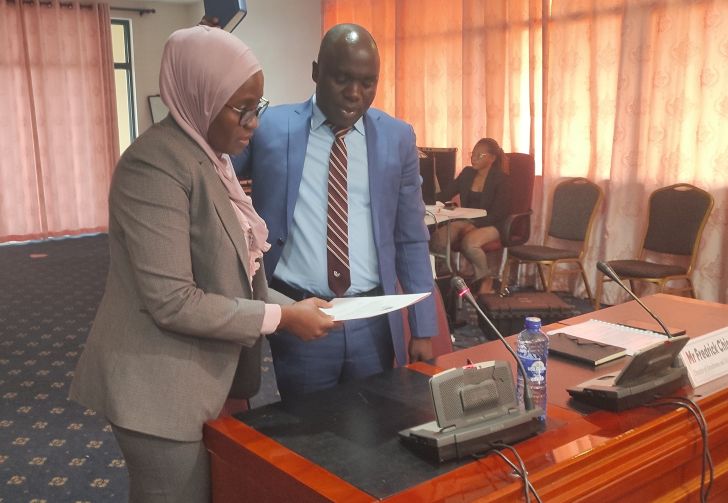
A senior aviation official in Malawi testified before a parliamentary inquiry on June 10, 2024, warning that the country risks failing its upcoming International Civil Aviation Organisation (ICAO) audit due to insufficient investment in aviation safety and security.
This testimony was presented to Parliament’s Ad-hoc Committee Investigating the Chikangawa Plane Crash, an inquiry established following the tragic incident that claimed the lives of Vice-President Saulos Chilima and eight others. The official, from the Civil Aviation Authority (CAA), underscored critical deficiencies in Malawi's aviation safety and security infrastructure, directly linking these gaps to a potential failure in the forthcoming ICAO audit. The inquiry itself represents a significant legislative response to a national tragedy, aiming to understand the causes and prevent future occurrences.
This development carries profound legal and operational implications for Malawi's aviation sector and its international standing. A failed ICAO audit could trigger severe restrictions on Malawi-registered aircraft operating internationally, impact foreign airlines flying into Malawian airspace, and potentially lead to a downgrade of the country's aviation safety rating. For legal practitioners, this signals an environment of heightened regulatory scrutiny, increased potential for liability claims against aviation operators, and a likely push for legislative or regulatory reforms. Businesses involved in air transport, logistics, and tourism face direct operational disruptions and financial risks if the audit results in adverse findings.
The legal context for this issue is primarily governed by international aviation law, specifically the Chicago Convention on International Civil Aviation, to which Malawi is a signatory. The International Civil Aviation Organisation (ICAO) sets global standards and recommended practices (SARPs) that member states are expected to implement through their national legislation, such as Malawi's Civil Aviation Act and its subsidiary regulations. The Civil Aviation Authority (CAA) is the statutory body responsible for regulating and overseeing the implementation of these standards domestically. The parliamentary inquiry operates under the legislative and oversight powers of the Malawian Parliament, which can investigate matters of public interest and recommend policy or legal changes. Key parties involved include the Malawian Parliament, the Ad-hoc Committee, the Civil Aviation Authority, and the ICAO.
Attorneys advising airlines, aviation service providers, insurers, and related businesses in Malawi must closely monitor the findings and recommendations emerging from the parliamentary inquiry, as well as the outcome of the impending ICAO audit. It is imperative to review existing compliance frameworks for aviation safety and security, advise clients on potential liabilities arising from non-compliance, and prepare for possible regulatory tightening or enforcement actions. Businesses should proactively assess their adherence to ICAO SARPs and national aviation regulations to mitigate operational and reputational risks. The specific outcome of the ICAO audit and any subsequent legislative or policy changes are not yet reported.
How does this affect you?
Get an AI analysis of this article grounded in your jurisdictions, practice areas, and any policy documents you've uploaded to Wansom.
Finish Reading the Full Story and the Expert Analysis.
Wansom is AI and can make mistakes.