
Malawi Authorities Raise Alarm Over Unnatural Deaths of Citizens in South Africa
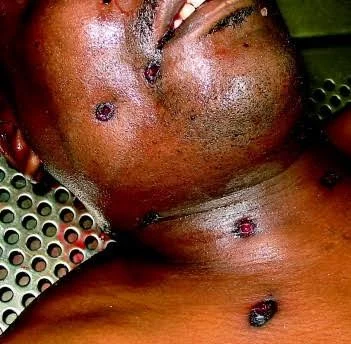
Authorities in Malawi have raised significant concerns regarding the unnatural deaths of Malawian nationals in South Africa, following reports that some repatriated bodies exhibited signs of external factors as the cause of death, rather than natural illness or old age. This alarming development, highlighted by Malawi24, points to a pattern of fatalities that necessitates thorough investigation into the circumstances surrounding these deaths, which could range from road accidents and drowning to falls or fires, as defined by the Malawian authorities. The official concern underscores a potential systemic issue affecting the safety and welfare of Malawian migrant workers and residents within South Africa.
This situation carries profound legal significance for both individual Malawian citizens and the governments of Malawi and South Africa. For individuals and their families, it raises critical questions about access to justice, consular protection, and the right to a thorough investigation into the cause of death, particularly if foul play or negligence is suspected. For businesses operating in South Africa that employ foreign nationals, especially in high-risk sectors, this issue could lead to increased scrutiny regarding occupational health and safety compliance, potential liability claims, and reputational damage. At a governmental level, it highlights the need for robust bilateral cooperation on criminal investigations, mutual legal assistance, and the protection of migrant workers' rights, potentially impacting diplomatic relations and policy formulation concerning cross-border migration and citizen welfare.
The legal context in South Africa dictates that any unnatural death triggers specific procedures under the Inquests Act 58 of 1959, which mandates an official inquest to determine the cause of death and whether any person is responsible. This process typically involves police investigation by the South African Police Service (SAPS) and, if foul play is suspected, a full criminal investigation under the Criminal Procedure Act 51 of 1977. The rights of Malawian nationals in South Africa are protected by the South African Constitution, including the right to life, dignity, and access to courts. Relevant international human rights instruments and any existing bilateral agreements or memoranda of understanding between Malawi and South Africa concerning consular assistance, repatriation of remains, and mutual legal assistance would also govern the handling of these cases. Key governmental bodies involved would include the Department of International Relations and Cooperation (DIRCO) in South Africa and the Ministry of Foreign Affairs in Malawi.
The key parties involved in this unfolding situation include the Malawian authorities, particularly their diplomatic missions and consular services in South Africa, and the Malawian Ministry of Foreign Affairs. On the South African side, the South African Police Service (SAPS), the Department of International Relations and Cooperation (DIRCO), the Department of Home Affairs, and potentially the National Prosecuting Authority (NPA) would be central. The deceased Malawian nationals and their families are the primary affected parties, and any employers of these individuals in South Africa could become relevant if the deaths occurred in a workplace context. While no specific courts are named, magistrates' courts would preside over inquests, and higher courts could be involved in criminal proceedings or civil claims.
Practitioners advising Malawian nationals or their families in South Africa should be well-versed in the procedures for reporting unnatural deaths, accessing consular support, and initiating inquests or criminal complaints. Attorneys representing businesses employing foreign nationals must ensure stringent compliance with occupational health and safety regulations, such as the Occupational Health and Safety Act 85 of 1993, and be prepared for potential investigations or liability claims arising from workplace fatalities. Both South African and Malawian legal professionals should closely monitor any developments regarding bilateral cooperation agreements or policy changes aimed at enhancing the safety and welfare of migrant workers, as these could significantly impact legal avenues for redress and protection. The excerpt does not report the outcome of any specific investigations or legal proceedings, but practitioners should follow these developments for potential precedents or shifts in regulatory enforcement.
How does this affect you?
Get an AI analysis of this article grounded in your jurisdictions, practice areas, and any policy documents you've uploaded to Wansom.
Finish this article free. Just your email for instant unlock.
Wansom is AI and can make mistakes.