
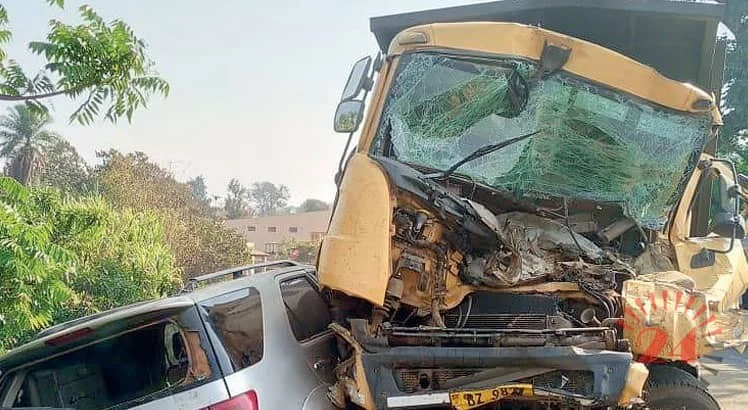
Malawi: Abandoned Vehicles Create Road Reserve Graveyards
In Lilongwe, Malawi, at least 42 informal car graveyards have emerged along a six-kilometre stretch of Chidzanja Road, with abandoned vehicles and scrap metal occupying road reserves in areas like Biwi, Kaliyeka, and Kawale.
This proliferation of informal car graveyards carries significant legal and regulatory implications for urban planning, environmental protection, and public safety. The occupation of road reserves constitutes an illegal encroachment on public land, hindering urban development and potentially compromising infrastructure projects. Environmentally, these sites pose risks of pollution from leaking fluids, hazardous materials, and general waste, contravening environmental management laws. From a public safety perspective, abandoned vehicles can obstruct visibility, create hazards for pedestrians and motorists, and become breeding grounds for crime. The situation highlights a breakdown in municipal enforcement and regulatory oversight, which could lead to legal challenges against local authorities for failing to uphold their statutory duties.
The legal context for addressing this issue involves several pieces of Malawian legislation and local government bylaws. The Roads Act defines road reserves and prohibits their unauthorized use, while the Physical Planning Act and urban planning regulations govern land use and development within cities. Environmental management legislation, such as the Environmental Management Act, provides frameworks for waste disposal, pollution control, and the remediation of contaminated sites. Local government bylaws, enacted by bodies like the Lilongwe City Council, would typically address issues of public nuisance, waste management, and the impounding of abandoned vehicles. The enforcement responsibilities lie with various entities, including the National Roads Authority, the Lilongwe City Council, and the Environmental Affairs Department.
Key parties involved include the Lilongwe City Council, which has primary responsibility for urban planning and waste management within its jurisdiction, the National Roads Authority, responsible for road infrastructure and reserves, and the Environmental Affairs Department, tasked with environmental protection. Property owners or individuals operating these informal graveyards are also key actors. The public, as users of the road and residents of the affected areas, are directly impacted by the environmental and safety hazards. The excerpt does not report any specific legal actions or enforcement outcomes, only the observation of the problem.
Practitioners should advise clients, particularly businesses and property owners, on their obligations regarding waste disposal, land use, and compliance with municipal bylaws to avoid penalties or legal action. Lawyers representing local authorities should review existing bylaws and enforcement mechanisms to identify gaps and strengthen their capacity to address such encroachments. Public interest lawyers might consider advocating for stronger enforcement, challenging regulatory inaction, or exploring avenues for public interest litigation to compel authorities to address the environmental and safety concerns posed by these informal graveyards. This situation underscores the need for proactive regulatory enforcement and inter-agency cooperation to maintain urban order and protect public spaces.
How does this affect you?
Get an AI analysis of this article grounded in your jurisdictions, practice areas, and any policy documents you've uploaded to Wansom.
Finish Reading the Full Story and the Expert Analysis.
Get the latest legal & regulatory intelligence in Malawi
Wansom is AI and can make mistakes.