
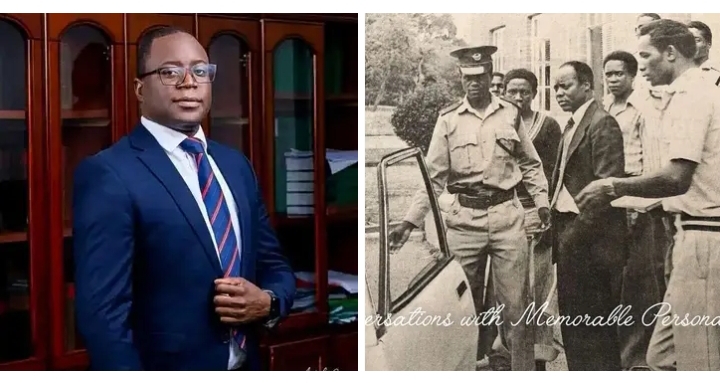
Makebi Zulu Modern Treason Trial Zambia: High-Stakes Legal Battle Underway
Summary
- Makebi Zulu, 44, is one of the accused in an ongoing modern treason trial in Zambia, drawing historical comparisons.
- This trial echoes the Edward Jack Shamwana treason case from October 1980, when Shamwana, a prominent legal mind, was arrested for treason.
- Shamwana's arrest was part of a state sweep that significantly impacted Zambia, occurring before Makebi Zulu was born.
- The Makebi Zulu modern treason trial Zambia is expected to set a potential Zambia treason legal precedent within Zambian criminal law.
- Legal professionals are closely monitoring the trial for insights into the interpretation of treason law and its implications for future cases.
What Happened
The ongoing Makebi Zulu modern treason trial Zambia carries substantial weight for the evolution and interpretation of Zambian criminal law treason.
Makebi Zulu, a prominent figure currently aged 44, is one of the accused in a significant modern treason trial unfolding in Zambia. This high-stakes legal proceeding immediately draws comparisons to a pivotal moment in the nation's past, signaling a potentially defining period for Zambian criminal law treason. The trial's prominence underscores the enduring gravity of treason charges within the country's judicial framework and the intense scrutiny such cases attract.
Zulu's involvement as an accused, where he is representing himself in the bail proceedings, places him at the forefront of a complex legal challenge. This contemporary legal battle is not just another criminal proceeding; it is set against a backdrop of historical events that continue to resonate, making the Makebi Zulu modern treason trial Zambia a focal point for legal analysis and public attention.
Historical Context and Parallels
The current legal proceedings involving Makebi Zulu inevitably evoke memories of the Edward Jack Shamwana treason case, a landmark event that transpired in October 1980. At that time, Makebi Zulu was not yet born, emphasizing the generational span between these two significant legal confrontations. Edward Jack Shamwana, widely regarded as one of Zambia's most influential legal minds of his era, was arrested on charges of treason, an event that deeply impacted the nation.
Shamwana's arrest was not an isolated incident but rather formed part of a comprehensive state sweep, an action that profoundly unsettled the country. This historical episode vividly illustrated the severe consequences of treason accusations and the extensive powers wielded by the state in such matters. The striking parallels between Shamwana's experience and the ongoing Makebi Zulu modern treason trial Zambia highlight the persistent sensitivity and profound seriousness associated with treason charges under Zambian criminal law, prompting a re-examination of historical precedents.
Why It Matters for Zambian Law
The ongoing Makebi Zulu modern treason trial Zambia carries substantial weight for the evolution and interpretation of Zambian criminal law treason. Legal scholars and practitioners are closely observing the proceedings, anticipating whether this case will establish a new Zambia treason legal precedent or serve to solidify existing legal interpretations. The way in which the legal arguments are developed, presented, and ultimately decided, particularly concerning the strategies employed in the Makebi Zulu legal defense, could significantly influence how similar charges are addressed in the future.
The historical echoes of the Edward Jack Shamwana treason case serve as a potent reminder of the profound impact such trials exert on a nation's legal infrastructure and its broader political environment. For legal professionals across Zambia, a thorough understanding of this modern trial's procedural intricacies, the arguments advanced, and its final resolution will be indispensable. It presents a unique opportunity to witness the dynamic application and potential redefinition of treason law, offering critical insights for advising clients involved in politically sensitive or high-stakes criminal litigation. This trial represents more than just a legal contest; it is a potential crucible for shaping future legal standards.
Practical Implications
Lawyers in Zambia should monitor the Makebi Zulu treason trial for potential legal precedents or shifts in the interpretation of treason law, especially considering its historical parallels to the Edward Jack Shamwana case. Understanding the arguments and outcomes will be crucial for advising clients involved in high-stakes criminal or politically sensitive cases.
Source
How does this affect you?
Get an AI analysis of this article grounded in your jurisdictions, practice areas, and any policy documents you've uploaded to Wansom.
Finish Reading the Full Story and the Expert Analysis.
Get the latest legal & regulatory intelligence in Zambia
Wansom is AI and can make mistakes.