
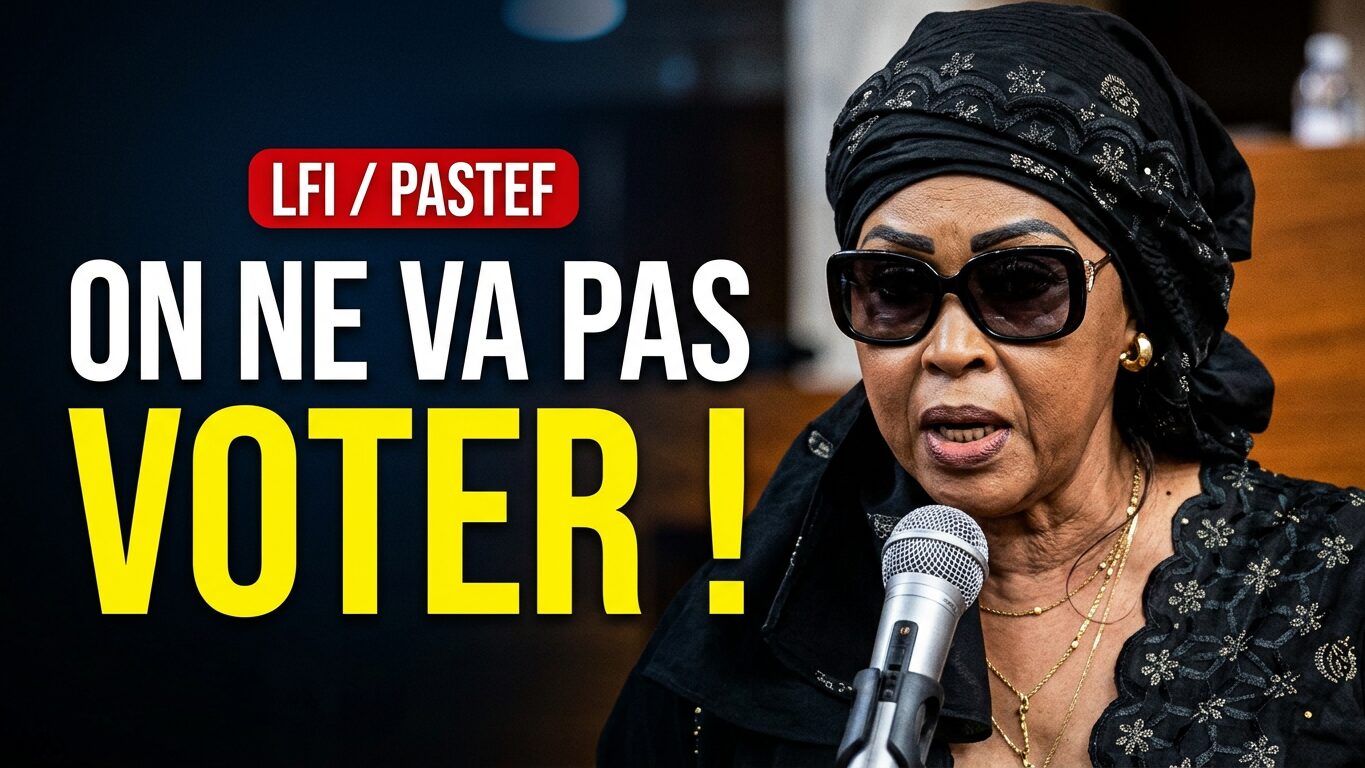
Maimouna Bousso: Majority Will Not Vote for Loi Finances 2027
Summary
- Deputy Maimouna Bousso publicly stated that the parliamentary majority would not vote for Senegal's proposed 2027 finance bill.
- This announcement signals a significant challenge to the government's fiscal plans ahead of a crucial legislative period.
- Deputies are scheduled to convene for a plenary session on November 18, 2026, where the bill is expected to be discussed.
- The parliamentary majority's stance could lead to delays or amendments, impacting financial planning and regulatory compliance in Senegal.
Deputy Bousso's Stance on the 2027 Finance Bill
Deputy Maimouna Bousso explicitly announced that the parliamentary majority would not cast their votes in favor of the proposed 2027 finance bill.
A significant development has emerged regarding Senegal's proposed 2027 finance bill, as Deputy Maimouna Bousso delivered a notable address concerning the legislative text. During her intervention, the prominent parliamentarian conveyed a resolute stance from the parliamentary majority, indicating their collective intention to fully assume their responsibilities regarding the critical financial legislation.
Deputy Maimouna Bousso explicitly announced that the parliamentary majority would not cast their votes in favor of the proposed 2027 finance bill. This declaration sets a clear tone for the upcoming legislative proceedings. The pronouncement was made in anticipation of a crucial parliamentary gathering.
Deputies are formally scheduled to convene for a plenary session on Wednesday, November 18, 2026. This session is expected to commence on that date, where the fate of the 2027 finance bill, following Deputy Bousso's statement, will undoubtedly be a central point of discussion and contention.
The Significance of Senegal's Finance Legislation
The annual finance bill, or `loi finances`, represents a cornerstone of national governance in Senegal, outlining the government's financial blueprint for the upcoming fiscal year. This comprehensive document details projected revenues, allocated expenditures, and key economic policies that will shape the nation's financial landscape. Its approval is essential for the functioning of public services, infrastructure projects, and overall economic stability.
The role of the `parlement sénégalais` in deliberating and ultimately approving or rejecting the `projet loi finances 2027` is paramount. As the representative body, parliamentarians are tasked with scrutinizing the bill to ensure it aligns with national priorities and serves the public interest. A decision by the parliamentary majority to withhold its `vote loi finances Sénégal` carries substantial weight, signaling potential challenges to the government's fiscal agenda.
Potential Legislative Hurdles and Implications
The declared opposition from the parliamentary majority to the `loi finances 2027` introduces considerable uncertainty into Senegal's legislative process. Such a unified stance could lead to significant delays in the bill's passage, potentially requiring extensive renegotiations or substantial amendments to the proposed text before it can gain parliamentary approval. This situation underscores the dynamic nature of legislative politics and the power vested in the majority bloc.
For lawyers and compliance officers, this development necessitates close monitoring of the legislative process surrounding the `Sénégal projet loi finances 2027`. The potential for delays or significant alterations to the bill could have far-reaching impacts on financial planning, regulatory frameworks, and operational compliance for entities operating within the jurisdiction. Understanding the evolving legislative landscape will be crucial for navigating the upcoming fiscal period effectively.
Practical Implications
Lawyers and compliance officers should closely monitor the legislative process of Senegal's 2027 finance bill. The announced opposition from the parliamentary majority could lead to significant delays or amendments, impacting financial planning and regulatory compliance for entities operating in the jurisdiction.
Source
Source: Original reporting via Senego Tv
How does this affect you?
Get an AI analysis of this article grounded in your jurisdictions, practice areas, and any policy documents you've uploaded to Wansom.
Finish Reading the Full Story and the Expert Analysis.
Get the latest legal & regulatory intelligence in Senegal
Wansom is AI and can make mistakes.