
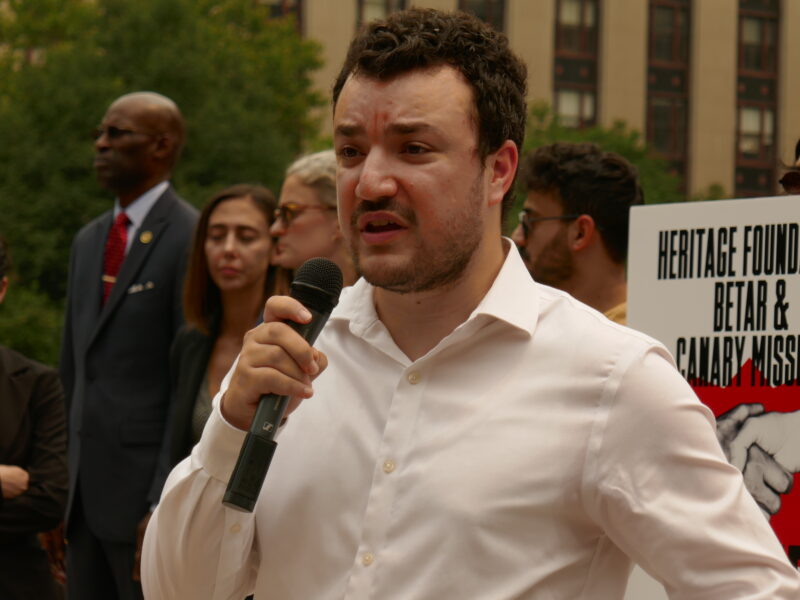
Mahmoud Khalil Sues Columbia Doxxing: Alleges ICE Detention Link
Summary
- Mahmoud Khalil, a Columbia University graduate, has sued his alma mater, alleging it failed to protect pro-Palestinian activists from a doxxing campaign.
- The lawsuit claims Columbia's "deliberate indifference" to harassment, including a "doxxing truck" and publication on Canary Mission, led to Khalil's ICE detention.
- Khalil spent over 100 days in detention, missing his child's birth, after being designated a "national security threat" by the Trump administration.
- The complaint also alleges Columbia retaliated against the Palestine Working Group, deploying surveillance, calling police on student encampments, and suspending the group.
- Khalil, now out of custody, continues to fight deportation efforts, stating Columbia "laid the groundwork" for his targeting.
The Lawsuit's Core Allegations
This case serves as a critical examination of potential institutional liability for universities regarding student safety, free speech, and alleged discrimination, particularly concerning doxxing campaigns and their severe consequences.
Columbia University is facing a new legal challenge from graduate Mahmoud Khalil, who filed a 60-page lawsuit in the U.S. District Court for the Southern District of New York. The suit, filed on Monday, alleges that the Ivy League institution failed to adequately protect pro-Palestinian activists, including Khalil, from a severe doxxing campaign. Khalil, a 31-year-old Palestinian activist and legal permanent resident, contends that the university's "deliberate indifference" and "shockingly callous disregard for the rights and safety of Palestinian students" directly contributed to his subsequent immigration detention. This Mahmoud Khalil sues Columbia doxxing case highlights the intense pressures faced by students advocating for Palestinian rights on campus.
The alleged harassment began in the aftermath of the October 7, 2023, attack by Hamas on Israel. Khalil and other campus activists reportedly sought assistance from school administrators to address the escalating threats. Among the specific incidents cited in the campus doxxing lawsuit was a "doxxing truck" that circulated around the university, displaying images of pro-Palestinian activists alongside text labeling them "Columbia’s Leading Antisemites." Furthermore, activists' personal information and photographs were published on controversial, anonymously operated platforms such as Canary Mission, a website known for targeting individuals critical of Israel's military actions and Zionism.
Instead of intervening to safeguard its students, the lawsuit claims Columbia University exhibited a pattern of inaction and, in some instances, active retaliation. This alleged failure to protect students from external doxxing efforts forms a central pillar of the Columbia University Palestinian students lawsuit, arguing that the university's response created an environment where students were left vulnerable to severe consequences.
Escalation and Consequences
The lawsuit further details how, as student protests continued into the Spring 2024 semester, Columbia allegedly became increasingly complicit in fostering a hostile campus atmosphere. Khalil asserts that the university deployed intrusive surveillance mechanisms against its own students, summoned the New York Police Department to clear and arrest students participating in encampments, and initiated mass disciplinary proceedings. These actions, according to the complaint, were aimed at punishing students for their vocal support of Palestine, their perceived shared Arab and/or Muslim ancestry, and their status as non-citizens or immigrants. The university also reportedly characterized the Palestine Working Group (PWG), a Palestinian cultural and advocacy organization within Columbia’s School of International and Public Affairs, as a "hostile group" to restrict its campus presence, eventually suspending it entirely.
Khalil contends that these institutional actions and inactions effectively "put a target on his back" as a Palestinian activist. This alleged targeting culminated in his arrest by Immigration and Customs Enforcement (ICE) on March 8, 2025. Following his arrest, Khalil endured over 100 days in ICE detention, a period during which he tragically missed the birth of his first child. He was ultimately ordered released by a federal judge, but his experience became a prominent example of the Trump administration's efforts to suppress pro-Palestinian speech. Officials had attempted to justify Khalil's detention by designating him a "national security threat," a rarely used legal provision that was subsequently applied to other activists. The severe personal impact of Mahmoud Khalil ICE detention underscores the gravity of the university's alleged negligence.
Broader Implications and Ongoing Fight
Even during Khalil's prolonged detainment, the lawsuit alleges that other members of the Palestine Working Group Columbia faced ongoing peer-on-peer harassment for expressing support for Khalil and demanding protective measures from the university. These instances were reportedly brought to the attention of Columbia officials, who, according to the complaint, failed to take appropriate corrective action against the harassers. Instead, the university is accused of further retaliating against the PWG and its members. This pattern of alleged inaction and retaliation against the Palestine Working Group Columbia members highlights a systemic issue within the institution's response to student activism and safety concerns.
Although Mahmoud Khalil has been released from immigration custody, he continues his legal battle against government efforts to deport him. In a statement released Monday, Khalil asserted that Columbia "laid the groundwork for my targeting by the Trump administration through its deliberate indifference and discrimination aimed at intimidating Palestinian students." He further emphasized, "For over two years, we pleaded with Columbia. Columbia did not care." This ongoing struggle, stemming from the alleged doxxing and subsequent institutional responses, underscores the significant legal and ethical challenges universities face in balancing free speech, student safety, and institutional responsibilities in politically charged environments. This case serves as a critical examination of potential institutional liability for universities regarding student safety, free speech, and alleged discrimination, particularly concerning doxxing campaigns and their severe consequences.
Practical Implications
This case highlights potential institutional liability for universities regarding student safety, free speech, and alleged discrimination, particularly concerning doxxing campaigns and their severe consequences. Compliance officers and legal counsel for educational institutions should review policies on student activism, harassment, and responses to external pressures to mitigate similar legal challenges.
Source
How does this affect you?
Get an AI analysis of this article grounded in your jurisdictions, practice areas, and any policy documents you've uploaded to Wansom.
Finish Reading the Full Story and the Expert Analysis.
Get the latest legal & regulatory intelligence in United States
Wansom is AI and can make mistakes.