
Mahesh Jethmalani: Fixer Lawyers Indispensable to Judicial Bribery
Summary
- Senior Advocate Mahesh Jethmalani warned against "fixer lawyers" who facilitate judicial bribery, stating they are essential for corruption in courts and tribunals.
- He urged intelligence agencies to share details of these lawyers, which he believes are widely known, with the Supreme Court Collegium.
- Jethmalani also criticized an attempt to extend the Bar Council of India chairperson's tenure by five years, calling it a "crying shame" and a violation of the two-year statutory limit.
Scrutiny on Judicial Bribery Facilitators
He underscored that corruption within the judiciary and tribunals cannot exist without the direct involvement of these intermediaries.
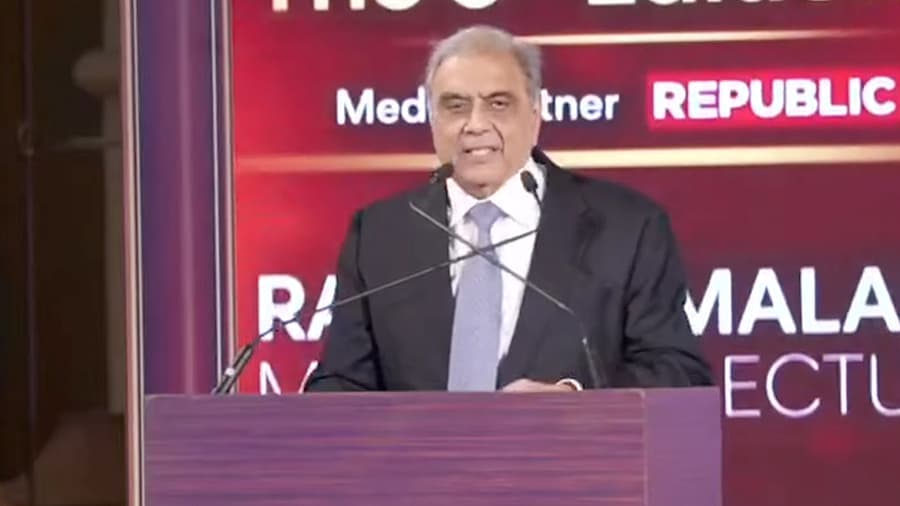
Senior Advocate Mahesh Jethmalani recently issued a stark warning regarding the pervasive issue of "fixer lawyers" who actively facilitate judicial bribery, asserting their indispensable role in corrupting the legal system. Speaking on Monday at the 6th Ram Jethmalani Memorial Lecture in New Delhi, he underscored that corruption within the judiciary and tribunals cannot exist without the direct involvement of these intermediaries. These individuals, he explained, are instrumental in manipulating the entire legal framework by orchestrating and enabling bribery, effectively "gaming" the system for illicit gains. His remarks highlight a critical concern for legal ethics India bribery and underscore the urgent need to address advocate misconduct India.
Jethmalani asserted that the identities of these Mahesh Jethmalani fixer lawyers judicial bribery are not a secret within the legal community. He noted that their names are widely known among members of the bar, suggesting a tacit acceptance or widespread awareness of their activities. This widespread knowledge, he suggested, indicates a systemic problem where certain legal professionals operate with a degree of impunity, undermining the integrity and public trust in the judicial process. He emphasized that these lawyers are not merely peripheral figures but central to the perpetuation of corruption, making their identification and accountability paramount for any meaningful reform.
Broader Concerns Over Bar Council Governance
Beyond the direct issue of judicial corruption, Jethmalani also voiced significant apprehension regarding the operational integrity and governance of bar councils, which are crucial regulatory bodies for the legal profession. He specifically criticized an attempt to unlawfully extend the tenure of the current chairperson of the Bar Council of India. This proposed extension, he detailed, sought to prolong the chairperson's term by an additional five years, pushing it significantly beyond the statutory limit, specifically until 2030.
Such an action, Jethmalani emphasized, stands in direct violation of the prescribed legal framework, which unequivocally stipulates a two-year tenure for the position under the relevant Act. He unequivocally labeled this attempt a "crying shame," highlighting a profound lapse in governance, ethical conduct, and adherence to established regulations within a key legal body responsible for upholding professional standards. This incident raises serious questions about Mahesh Jethmalani Bar Council tenure and the broader implications for regulatory oversight and democratic functioning within the legal profession in India.
A Call for Transparency and Accountability
In light of these pressing concerns, Jethmalani put forth a clear and actionable recommendation for enhanced transparency and accountability within the judicial system. He urged that intelligence agencies, which he believes likely possess detailed information regarding these India judicial corruption lawyers and their illicit activities, should transmit these crucial details to the Supreme Court Collegium. This proactive sharing of intelligence, he argued, is not merely advisable but crucial for effectively addressing the root causes of judicial corruption and ensuring the integrity of judicial appointments.
His call suggests a critical need for greater collaboration and information exchange between intelligence bodies and judicial appointment authorities to identify and address individuals who compromise the legal system through their corrupt practices. The implication is that the Supreme Court Collegium intelligence should be leveraged strategically to ensure that those involved in facilitating bribery are held accountable, thereby safeguarding the integrity of judicial appointments and the broader administration of justice. This stance underscores the urgent need to confront advocate misconduct India at its highest levels and restore public confidence in the legal system.
Practical Implications
This article signals heightened scrutiny on lawyer conduct in India, particularly regarding judicial bribery, and governance issues within the Bar Council. Lawyers and compliance officers should be aware of the increased risk of investigation and disciplinary action for involvement in or facilitation of judicial corruption, and the potential for regulatory changes or enforcement against 'fixer lawyers'.
Source
How does this affect you?
Get an AI analysis of this article grounded in your jurisdictions, practice areas, and any policy documents you've uploaded to Wansom.
Finish Reading the Full Story and the Expert Analysis.
Get the latest legal & regulatory intelligence in India
Wansom is AI and can make mistakes.