
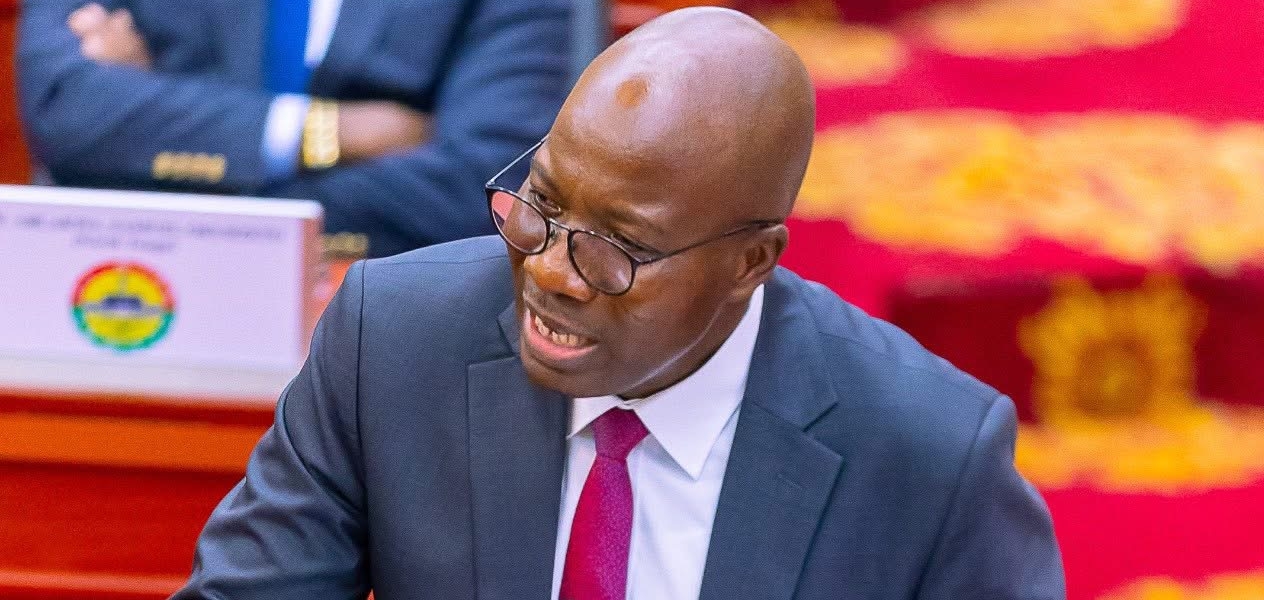
Mahama Ayariga: Cautions MPs Against Prosecution Interference
Summary
- Outgoing Majority Leader Mahama Ayariga cautioned Members of Parliament against using their position to intimidate law enforcement or interfere with criminal investigations.
- He emphasized that political office does not place individuals above the law and that Parliament must respect institutions enforcing the laws it passes.
- Ayariga highlighted a double standard in how alleged crimes by ordinary citizens versus politicians are often treated.
- He urged Parliament to respect judicial independence, citing a judge's decision to cancel a legal vacation for an expeditious hearing as a welcome development for an innocent accused.
- The remarks underscore the importance of allowing law enforcement and the judiciary to independently perform their constitutional duties.
Call for Accountability
He firmly asserted that holding political office should not elevate anyone above legal accountability, emphasizing that Parliament's role in enacting legislation must be complemented by a profound respect for the institutions tasked with enforcing those very laws.
Ghana's outgoing Majority Leader in Parliament, Mahama Ayariga, has issued a stern caution to politicians against leveraging their parliamentary platform to intimidate law enforcement agencies or obstruct investigations into alleged criminal conduct. Speaking on the floor of Parliament on Monday, August 24, 2026, Mr. Ayariga underscored a fundamental principle: political office does not grant immunity from legal processes. He firmly asserted that holding political office should not elevate anyone above legal accountability, emphasizing that Parliament's role in enacting legislation must be complemented by a profound respect for the institutions tasked with enforcing those very laws.
Mr. Ayariga articulated that attempts by politicians to cast law enforcement actions as politically motivated could severely undermine the nation's broader fight against crime. He stressed that members of Parliament should allow investigators to carry out their duties without resorting to the parliamentary chamber to discredit or intimidate them. His remarks highlighted a perceived double standard in how alleged crimes involving ordinary citizens are handled compared to those involving politicians, noting that individuals accused of stealing relatively minor items are prosecuted, while politicians facing allegations involving millions of cedis sometimes protest investigations.
Upholding Judicial Independence
Beyond the realm of law enforcement, Mr. Ayariga also urged Parliament to uphold the independence of the judiciary, advising against commenting on or interfering with judicial decisions. His comments were made in the context of concerns that had been raised regarding a judge's decision to cancel a legal vacation to facilitate the expeditious hearing of a case involving an accused person. Mr. Ayariga contended that any accused individual confident in their innocence should welcome the opportunity for their case to be determined promptly.
He maintained that it is imperative for Parliament to allow both the judiciary and law enforcement agencies to independently fulfill their constitutional responsibilities without undue influence. This stance reinforces the principle of equality before the law in Ghana, signaling that political influence should not be expected to shield clients from prosecution or interfere with judicial processes. It underscores the importance of advising politically exposed clients on strict adherence to legal processes and the independence of law enforcement and the judiciary.
Safeguarding the Rule of Law
The outgoing Majority Leader's intervention serves as a critical reminder of the foundational tenets of the rule of law in Ghana. By cautioning MPs against prosecution interference, he implicitly addressed the broader issue of Ghana political interference prosecution, which can erode public trust in state institutions. His emphasis on allowing investigators to operate without parliamentary obstruction is vital for strengthening Ghana's anti-corruption efforts.
Mr. Ayariga's statements reinforce the idea that crime is crime, regardless of the perpetrator's political standing, and that laws passed by Parliament are intended for universal enforcement. This perspective is crucial for fostering a legal environment where MPs shielding politicians Ghana becomes an unacceptable practice, thereby bolstering judicial independence and ensuring that all citizens are subject to the same legal standards.
Practical Implications
This statement reinforces the principle of equality before the law in Ghana, signaling to lawyers that political influence should not be expected to shield clients from prosecution or interfere with judicial processes. It underscores the importance of advising politically exposed clients on strict adherence to legal processes and the independence of law enforcement and the judiciary.
Source
How does this affect you?
Get an AI analysis of this article grounded in your jurisdictions, practice areas, and any policy documents you've uploaded to Wansom.
Wansom is AI and can make mistakes.