
Madras High Court: OCI Cancellation Upheld for Missionary Activities
Summary
- The Madras High Court upheld the cancellation of a U.S. citizen's OCI registration due to missionary activities in India.
- The court ruled that OCI cardholders need prior government permission for religious preaching, even without religious conversion.
- John Daniel's OCI status was revoked under Section 7D of the Citizenship Act, 1955, for engaging in such activities.
- Notification S.O.1050(E) from March 2021 mandates special permission for OCI cardholders undertaking missionary work.
- The court found evidence contradicting Daniel's denial of missionary involvement, including public advertisements for his speeches.
What Happened
even to be a missionary preaching his religion, it is only a prior permission that is mandated.
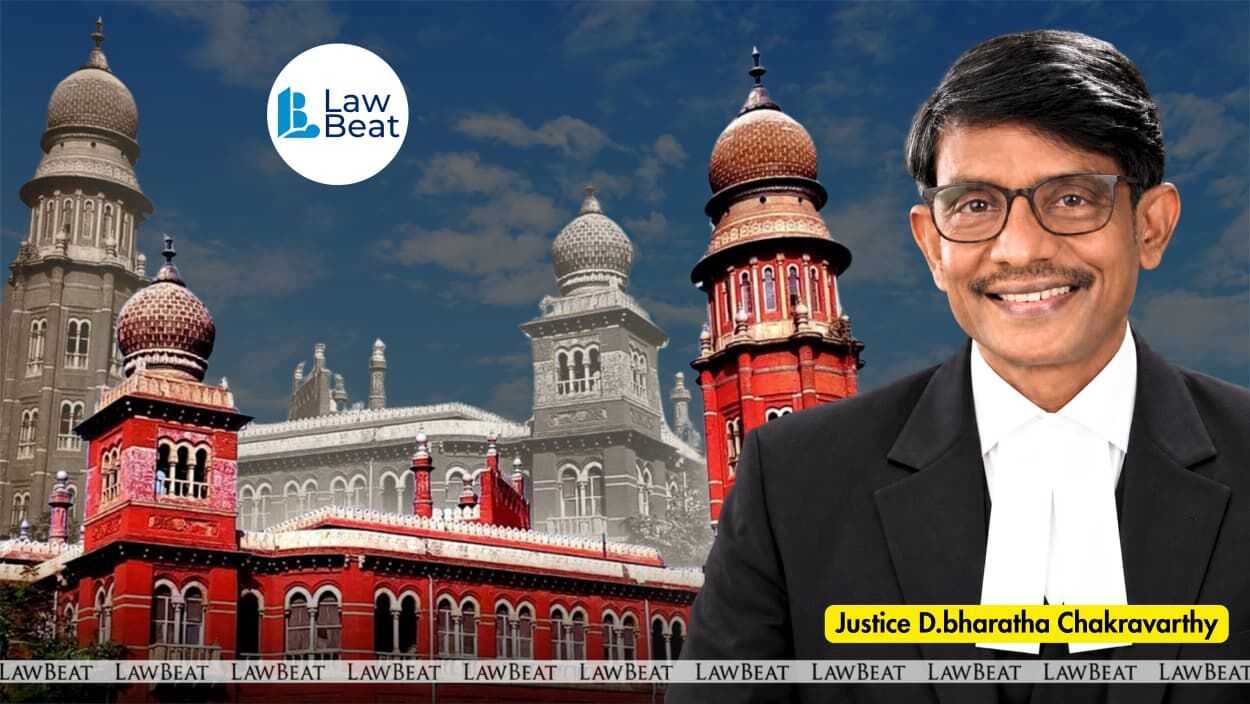
The Madras High Court recently affirmed the cancellation of an Overseas Citizen of India (OCI) registration belonging to John Daniel, a United States citizen. This decision stemmed from allegations that Daniel engaged in missionary activities within India without securing the requisite prior government authorization. Daniel had challenged the revocation of his OCI status, which was effected under Section 7D of the Citizenship Act, 1955, arguing that the cancellation violated principles of natural justice. However, Justice D. Bharatha Chakravarthy, presiding over the case, dismissed Daniel's writ petition.
The court's ruling highlighted that evidence presented indicated Daniel had repeatedly addressed religious congregations and meetings across Tamil Nadu and Andhra Pradesh. Daniel, who obtained his OCI registration on February 6, 2015, had received a show-cause notice in September 2025. This notice accused him of undertaking missionary activities in India without special permission and misusing his OCI status for religious purposes. Specific allegations included preaching in villages in both states, organizing prayer meetings, and promoting Christian conversions through evangelical efforts. Authorities also claimed he led the Laymen's Evangelical Fellowship International (LEFI), which they characterized as operating like a cult.
Despite Daniel's categorical denial of any missionary involvement, asserting his visits were solely to see his ailing mother, relatives, and friends, the court found his explanation to be "on its face a lie." The Union government provided online materials, including a poster advertising Daniel's speeches at the LEF Church in Tenali, Andhra Pradesh, in January 2017, along with other evidence of meetings in subsequent years. The court concluded that these materials demonstrated Daniel's consistent participation in public religious gatherings, often advertised to invite attendees, thereby undermining his claims. The court emphasized that the equitable remedy under Article 226 of the Constitution could not be extended given the petitioner's "blatant, bald denial" in the face of the presented evidence.
Legal Context
Central to the Madras HC OCI cancellation decision is the interpretation of regulations governing OCI cardholders. The court specifically referenced notification S.O.1050(E), issued on March 4, 2021, under Section 7B of the Citizenship Act. This notification mandates that OCI cardholders must obtain special permission before engaging in certain specified activities, which explicitly include missionary work. The court determined that undertaking missionary activities without this required permission renders an OCI registration susceptible to cancellation under Section 7D(da) of the Citizenship Act.
A crucial clarification from the court was that the requirement for prior permission for religious preaching is not contingent on whether the activities involve religious conversion. The judge observed that if an individual preaches and undertakes activities to spread the word of 'God,' such actions fall squarely within the definition of missionary activity, thereby necessitating special permission. The court explicitly stated that it is one thing to argue that no conversion is involved, but "even to be a missionary preaching his religion, it is only a prior permission that is mandated." This strict interpretation underscores that any form of religious preaching or missionary activity in India by an OCI cardholder requires prior government permission, irrespective of whether it involves religious conversion.
Why It Matters
This ruling from the Madras High Court carries significant implications for OCI cardholders involved in religious activities in India. It firmly establishes that engaging in missionary work without prior government approval can lead directly to the cancellation of OCI registration under Section 7D of the Citizenship Act 1955. The court's unequivocal stance that the permission requirement applies even in the absence of religious conversion sets a clear precedent. This means that OCI cardholders engaged in religious preaching, even if solely for the purpose of spreading a message without seeking to convert, must first secure special permission as per the S.O.1050(E) March 2021 notification.
The case of John Daniel OCI registration cancellation serves as a stark reminder of the stringent regulatory framework governing foreign nationals with OCI status in India. It highlights that authorities are actively monitoring compliance with these regulations, and denials of involvement in prohibited activities will be scrutinized against available evidence. For lawyers advising OCI cardholders, this judgment reinforces the critical need to inform clients that any form of religious preaching or missionary activity in India requires prior government permission, irrespective of whether it involves religious conversion, to prevent OCI registration cancellation. Compliance officers must also note this strict interpretation when assessing the activities of foreign nationals holding OCI status.
Practical Implications
Lawyers advising OCI cardholders must inform clients that any form of religious preaching or missionary activity in India requires prior government permission, irrespective of whether it involves religious conversion, to prevent OCI registration cancellation under Section 7D of the Citizenship Act. Compliance officers should note this strict interpretation when assessing activities of foreign nationals with OCI status.
Source
How does this affect you?
Get an AI analysis of this article grounded in your jurisdictions, practice areas, and any policy documents you've uploaded to Wansom.
Finish Reading the Full Story and the Expert Analysis.
Wansom is AI and can make mistakes.