
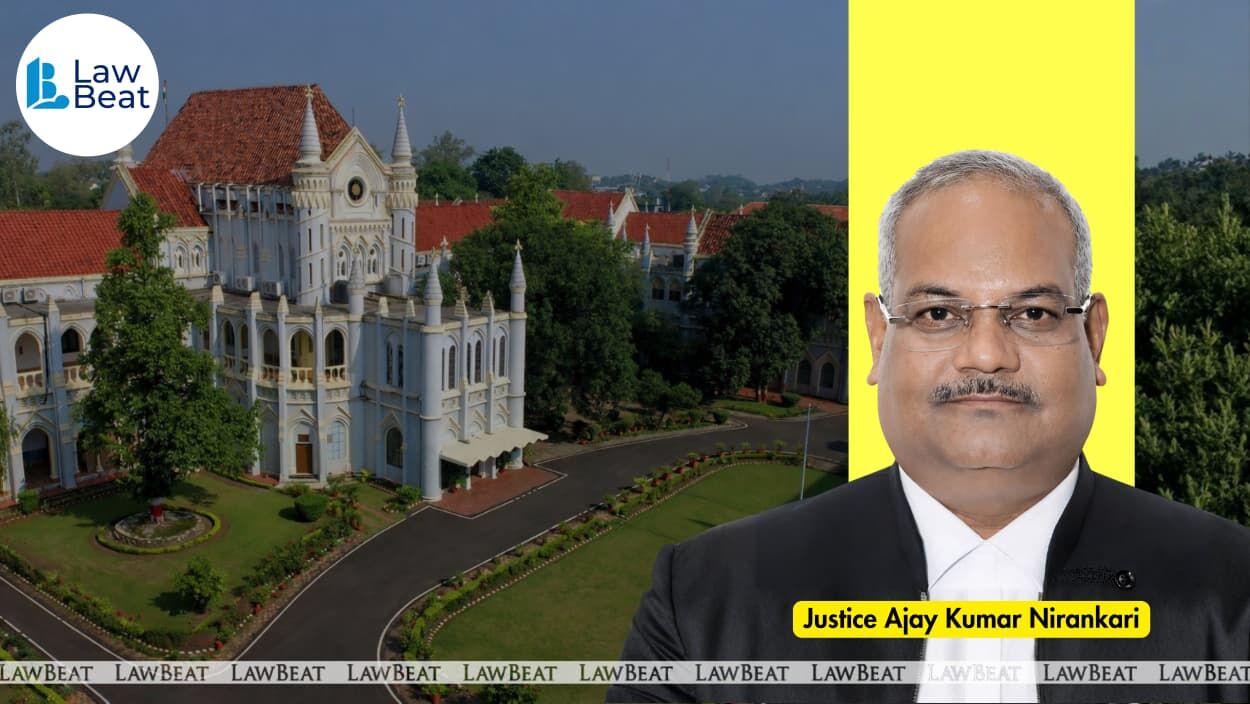
Madhya Pradesh High Court: No Anticipatory Bail in Rs 4.47 Lakh Embezzlement Case
Summary
- The Madhya Pradesh High Court has denied anticipatory bail to Bhawna Rai, a Chief Booking Supervisor at the Itarsi railway ticket booking office, accused of embezzling over Rs 4.47 lakh in ticket sale proceeds.
- The court held that departmental inquiry findings alone cannot conclusively rule out criminal liability and that custodial interrogation may be necessary to investigate further.
- This ruling sets a precedent for future cases involving alleged conspiracies among government employees, emphasizing the need for thorough investigation and evidence-based conclusions.
A Precedent Set in Embezzlement Cases
The court held that departmental findings cannot conclusively decide criminal liability at this stage.
The Madhya Pradesh High Court has established a precedent in denying anticipatory bail to a railway employee accused of embezzlement, underscoring that departmental inquiry findings alone cannot conclusively rule out criminal liability. This ruling may have far-reaching implications for similar cases involving alleged conspiracies among government employees. The court's decision highlights the need for thorough investigation and evidence-based conclusions in such matters. In this context, the case of Bhawna Rai, a Chief Booking Supervisor at the Itarsi railway ticket booking office, is noteworthy. She was accused along with two other railway employees of embezzling over Rs 4.47 lakh in ticket sale proceeds. The court's refusal to grant anticipatory bail to Rai sets a precedent for future cases, emphasizing that departmental inquiry findings are not sufficient to rule out criminal liability.
The Case Against Bhawna Rai
Bhawna Rai was accused of embezzling Rs 4.47 lakh in ticket sale proceeds along with two other railway employees, Assistant Chief Booking Supervisor Rinki Patel and Station Manager Anil Kumar Rai. The prosecution alleged that the trio had committed the crime as part of a pre-planned scheme. The court's decision to deny anticipatory bail to Rai was based on the fact that her sanctioned leave and departmental inquiry findings could not conclusively rule out her role in the alleged conspiracy. The prosecution argued that being on leave did not sever Rai from the alleged offence, and that she may need to be confronted with documents and witness statements, making custodial interrogation a possibility. The court agreed with the State's argument, holding that departmental findings cannot conclusively decide criminal liability at this stage.
Legal Context and Implications
The Madhya Pradesh High Court's decision to deny anticipatory bail to Bhawna Rai is significant in light of recent Supreme Court rulings on the subject. The court relied on precedents such as Gurbaksh Singh Sibbia v. State of Punjab, Sushila Aggarwal v. State (NCT of Delhi), Siddharam Satlingappa Mhetre v. State of Maharashtra, and Arnesh Kumar v. State of Bihar to support its decision. The court's emphasis on the need for thorough investigation and evidence-based conclusions in embezzlement cases is a welcome development. This ruling may have implications for similar cases involving alleged conspiracies among government employees, underscoring the importance of careful consideration of each case on its merits.
Practical Implications
Lawyers should be aware that the Madhya Pradesh High Court has set a precedent in denying anticipatory bail to a railway employee accused of embezzlement, emphasizing that departmental inquiry findings alone cannot conclusively rule out criminal liability. This ruling may have implications for similar cases involving alleged conspiracies among government employees.
Source
Source: Original reporting via [Source]
How does this affect you?
Get an AI analysis of this article grounded in your jurisdictions, practice areas, and any policy documents you've uploaded to Wansom.
Wansom is AI and can make mistakes.