
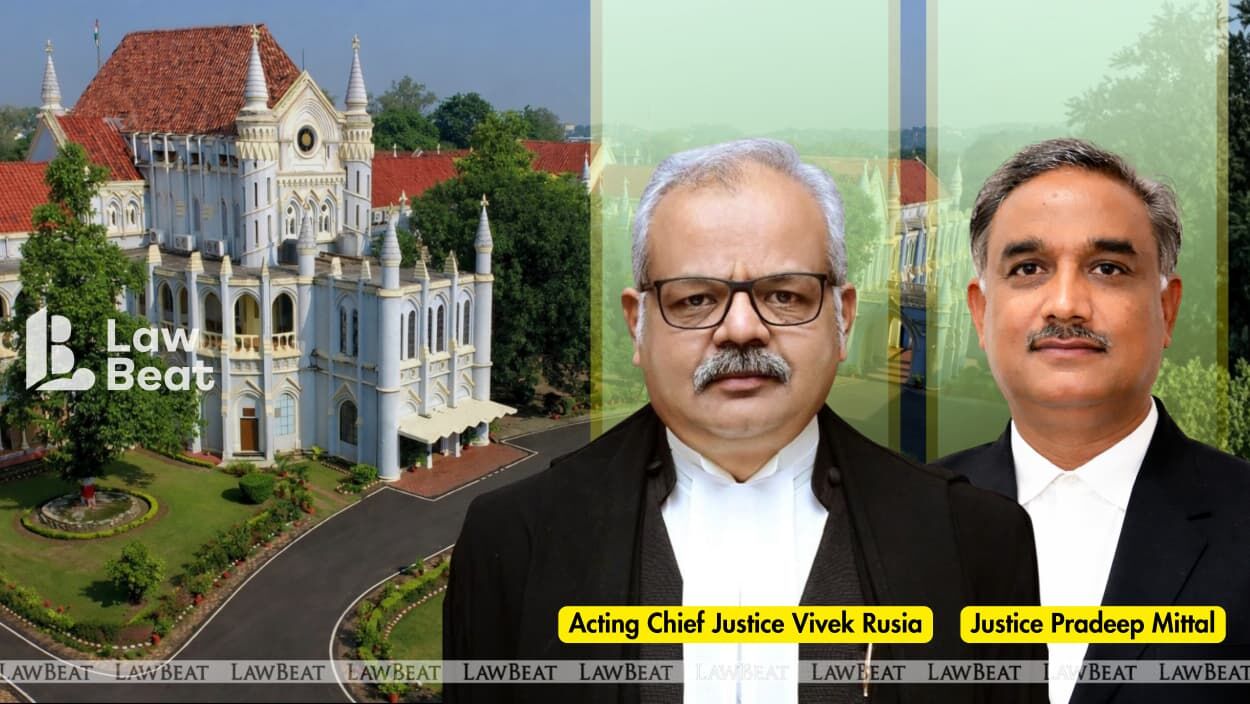
Madhya Pradesh High Court: NHAI's Highway Route Choices Beyond Judicial Review
Summary
- The Madhya Pradesh High Court dismissed a PIL seeking construction of bypasses at three villages in Rewa district.
- The court held that route selection and bypass-vs-widening decisions on national highways fall within the technical domain of road authorities.
- The decision is significant because it underscores the importance of understanding the limits of judicial review in financial expenditure-related decisions.
- Courts are generally reluctant to substitute their own opinion for that of the executive in policy and planning decisions involving financial expenditure.
MP High Court Decision Highlights Limits of Judicial Review
The court held that route selection and bypass-vs-widening decisions on national highways fall within the technical domain of road authorities, which cannot be second-guessed by courts in writ jurisdiction.
The Madhya Pradesh High Court's recent decision to dismiss a public interest litigation (PIL) seeking construction of bypasses at three villages in Rewa district has sparked debate about the role of courts in policy and planning decisions. The court held that route selection and bypass-vs-widening decisions on national highways fall within the technical domain of road authorities, which cannot be second-guessed by courts in writ jurisdiction. This decision is significant because it underscores the importance of understanding the limits of judicial review in financial expenditure-related decisions. In such cases, courts are generally reluctant to substitute their own opinion for that of the executive. The NHAI's route choices, including the decision to scrap bypasses and widen existing roads, were deemed to be within its technical domain, subject only to scrutiny for illegality or unreasonableness.
Relevant Legal Context
The court's ruling is in line with established legal precedent. In Federation of Railway Officers Association v. Union of India , the Supreme Court held that courts cannot interfere with policy and planning decisions involving financial expenditure, unless there is a clear case of illegality or unreasonableness. Similarly, in National Highways Authority of India v. Sheetal Jaidev Vade , the court emphasized the importance of respecting the technical expertise of road authorities in matters related to highway alignment and design. These cases demonstrate that courts are generally reluctant to intervene in technical decisions made by road authorities, unless there is a clear case for doing so.
Why It Matters
This decision has important implications for lawyers advising clients on infrastructure projects. It highlights the need for careful consideration of the limits of judicial review in policy and planning decisions, particularly those involving financial expenditure. The court's ruling underscores the importance of respecting the technical expertise of road authorities in matters related to highway alignment and design. By recognizing the limits of judicial review, courts can avoid unnecessary interference with technical decisions made by road authorities, which can help to ensure that infrastructure projects are completed efficiently and effectively.
Practical Implications
This development highlights the importance of understanding the limits of judicial review in policy and planning decisions, particularly those involving financial expenditure. Lawyers advising clients on infrastructure projects should be aware that courts may not interfere with technical decisions made by road authorities, unless there is a clear case of illegality or unreasonableness.
Source
Source: Original reporting via [Source]
How does this affect you?
Get an AI analysis of this article grounded in your jurisdictions, practice areas, and any policy documents you've uploaded to Wansom.
Wansom is AI and can make mistakes.