
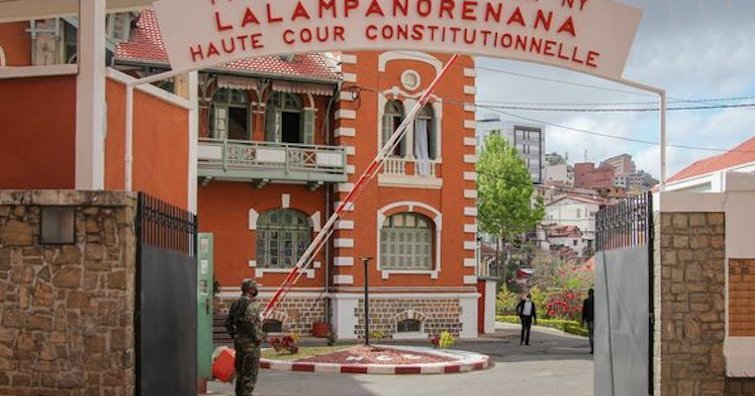
Madagascar HCC to Rule on PAC Jurisdiction in High-Profile Cases
In Madagascar, the Pôle anti-corruption (PAC) d'Antananarivo announced the provisional suspension of judicial proceedings initiated following complaints filed by the Direction de la législation et des contentieux (DLC) against several former high-ranking state officials, including Rajoelina, Ntsay, Ravokatra, and Imbiki, pending a decision from the Haute Cour constitutionnelle (HCC) regarding the PAC's jurisdiction.
This development signifies a critical jurisdictional challenge within Madagascar's anti-corruption framework, particularly concerning the accountability of former high-level state officials. The temporary halt in proceedings, prompted by a referral to the HCC, underscores the complexities of prosecuting individuals who may have previously held positions of power and potentially enjoyed specific legal protections or immunities. The HCC's forthcoming decision will be pivotal in clarifying the scope of the PAC's authority and could establish a significant precedent for how corruption cases involving past government leaders are handled, thereby influencing the perceived effectiveness and independence of anti-corruption efforts in the country.
The legal context for this matter involves the specialized jurisdiction of the Pôle anti-corruption (PAC), which is designed to investigate and prosecute corruption offenses, and the overarching constitutional review powers of the Haute Cour constitutionnelle (HCC), Madagascar's highest constitutional body. The HCC is tasked with interpreting the constitution and resolving conflicts of jurisdiction between different judicial or administrative bodies. The complaints originated from the Direction de la législation et des contentieux (DLC), a state entity typically involved in legal and litigation matters on behalf of the government. The core legal question revolves around the specific statutes and constitutional provisions that define the PAC's competence to judge former high-ranking officials, especially in light of any special status they might have held.
Key parties involved include the Pôle anti-corruption (PAC) d'Antananarivo, the Direction de la législation et des contentieux (DLC), the Haute Cour constitutionnelle (HCC), and the former high-ranking state officials named in the complaints: Rajoelina, Ntsay, Ravokatra, and Imbiki. The outcome of this matter is not yet reported, as it awaits the HCC's decision.
Practitioners, particularly those specializing in administrative law, constitutional law, and anti-corruption, should closely monitor the HCC's ruling. This decision will provide crucial guidance on the jurisdictional boundaries of specialized anti-corruption courts in Madagascar and will inform strategies for prosecuting or defending high-profile individuals. Businesses operating in Madagascar should also take note, as the clarity on accountability for public officials can impact the overall governance and regulatory environment, influencing risk assessments related to corruption and compliance.
How does this affect you?
Get an AI analysis of this article grounded in your jurisdictions, practice areas, and any policy documents you've uploaded to Wansom.
Finish Reading the Full Story and the Expert Analysis.
Get the latest legal & regulatory intelligence in Madagascar
Wansom is AI and can make mistakes.