
Madagascar: Bill Proposed to Protect Whistleblowers, Witnesses
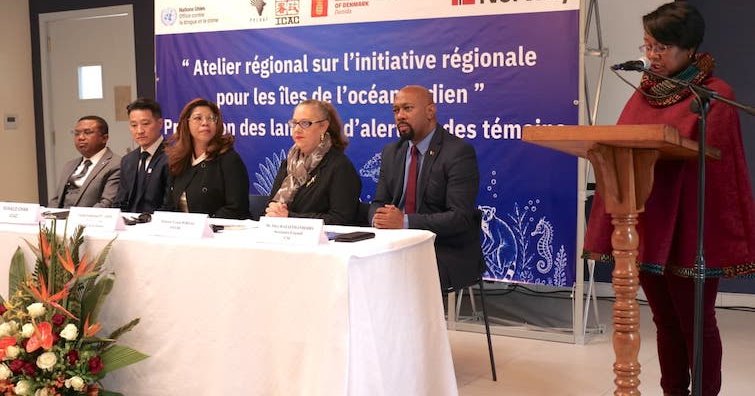
In Madagascar, the government is currently developing a draft law aimed at strengthening the protection of whistleblowers and witnesses in anti-corruption efforts. This legislative initiative seeks to establish a specific legal framework for these individuals, defining their status, organizing their protection, and imposing sanctions against any acts of reprisal they might face. The development of this project is a central topic at a regional workshop held in Antananarivo from September 15 to 17, involving representatives from various Indian Ocean nations, including the Comoros, Maldives, and Mauritius, underscoring a broader regional interest in such protections.
This proposed legislation carries significant legal implications for practitioners, businesses, and the public in Madagascar. For legal professionals, it signals a potential shift in the landscape of anti-corruption enforcement, likely leading to an increase in reported cases of corruption due to enhanced protections for those who come forward. Businesses will need to re-evaluate their internal compliance programs, corporate governance structures, and ethics policies to align with the new legal requirements, particularly concerning internal reporting mechanisms and the prevention of retaliatory actions. The public stands to benefit from a more robust framework that encourages transparency and accountability, fostering greater trust in institutions and potentially reducing the prevalence of corrupt practices.
The legal context for this development is rooted in Madagascar's ongoing commitment to combating corruption, a challenge that many developing nations face. While the specific statutes are not detailed in the excerpt, such a law would likely complement existing anti-corruption legislation and institutions, such as the Independent Anti-Corruption Office (BIANCO) or specialized anti-corruption courts, if applicable. The legislative process in Madagascar typically involves the Council of Ministers approving a draft bill, which then proceeds to the Parliament (National Assembly and Senate) for debate and adoption, before being promulgated by the President. This new law would likely draw inspiration from international best practices and conventions, such as the United Nations Convention Against Corruption (UNCAC), which Madagascar has ratified.
The key parties involved in this development include the Malagasy government, which is elaborating the draft law, and the legislative bodies that will ultimately consider and potentially enact it. The regional workshop highlights the involvement of international partners and neighboring states, indicating a collaborative approach to addressing corruption across the Indian Ocean region. While specific companies or individuals are not named, the law's impact will extend to all entities and persons operating within Madagascar, particularly those in sectors prone to corruption.
Practitioners and businesses in Madagascar should closely monitor the progress of this draft law through the legislative process. Attorneys should prepare to advise clients on the implications of the new whistleblower and witness protection framework, including potential changes to corporate compliance obligations, internal investigation protocols, and employment law considerations regarding reprisals. Businesses should proactively review and update their codes of conduct, internal reporting channels, and anti-retaliation policies to ensure readiness for the anticipated legal changes, thereby mitigating risks and fostering a culture of integrity and transparency.
How does this affect you?
Get an AI analysis of this article grounded in your jurisdictions, practice areas, and any policy documents you've uploaded to Wansom.
Finish Reading the Full Story and the Expert Analysis.
Get the latest legal & regulatory intelligence in Madagascar
Wansom is AI and can make mistakes.