
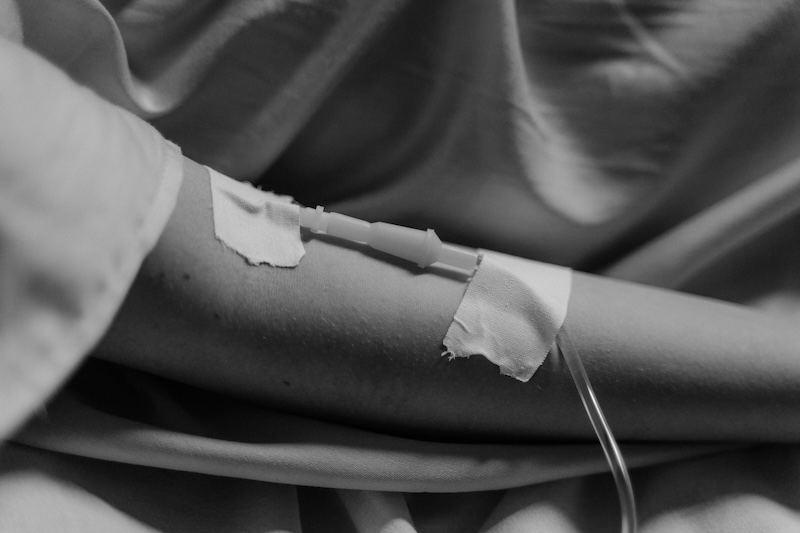
Luwero DHO: Issues Patient Cannula Discharge Directive
Summary
- Luwero District Health Officer Dr. Innocent Nkonwa has directed health workers to cease discharging patients with intravenous (IV) cannulas still inserted.
- Dr. Nkonwa described the practice of leaving cannulas in place after treatment as unethical and unacceptable.
- The directive emphasizes that patients should not leave health facilities with cannulas, citing exposure to unnecessary health risks.
- This new policy aims to enhance patient safety and ensure compliance with medical ethics in the Luwero district.
New Directive on Patient Discharge Protocols
Failure to comply with this Luwero DHO patient cannula discharge directive could therefore be viewed as a deviation from established professional norms and potentially lead to scrutiny regarding professional misconduct.
Healthcare providers within Uganda's Luwero district have received a clear mandate from Dr. Innocent Nkonwa, the district health officer (DHO), regarding patient discharge procedures. The directive specifically addresses the practice of allowing patients to leave medical facilities with intravenous (IV) cannulas still inserted in their hands. Dr. Nkonwa unequivocally characterized this practice as both unethical and unacceptable, signaling a heightened focus on patient safety and professional conduct within the region.
This new policy, which could be referred to as the Dr Innocent Nkonwa cannula policy, stipulates that patients, having completed their course of treatment, should not be discharged from health facilities while still bearing these medical devices. The Luwero DHO patient cannula discharge directive aims to standardize patient care at the point of discharge, ensuring that all necessary medical interventions, including the removal of temporary devices like cannulas, are completed prior to a patient's departure. This instruction underscores a commitment to refining Uganda patient discharge guidelines to align with best practices.
Dr. Nkonwa's warning highlighted that the continuation of this practice exposes patients to unnecessary health risks. This concern forms the bedrock of the new directive, emphasizing the responsibility of health workers to mitigate any potential harm to individuals under their care. The directive serves as a critical update to local medical protocols, reinforcing the importance of meticulous attention to detail in patient management.
Ethical Standards and Compliance in Healthcare
The pronouncement from the Luwero DHO is rooted in fundamental principles of medical ethics and patient welfare. Describing the practice as 'unethical' points to a breach of the duty of care owed to patients, suggesting that leaving a cannula in situ post-treatment falls short of expected professional standards. This aligns with broader discussions on IV cannula removal ethics Uganda, where the integrity of patient care is paramount from admission through to discharge.
Adherence to the Luwero DHO patient cannula discharge directive is therefore not merely a procedural matter but a reflection of a facility's commitment to Luwero District medical ethics. The emphasis on preventing 'unnecessary health risks' implies potential complications such as infection, discomfort, or accidental injury that could arise if cannulas are not removed promptly. Such considerations are integral to Uganda healthcare compliance frameworks, which seek to safeguard patient well-being across all medical settings.
This directive reinforces the expectation that health workers must exercise due diligence and professional judgment at every stage of patient interaction, particularly during the critical phase of discharge. It sets a clear benchmark for what constitutes acceptable practice, ensuring that patients are released from care in a condition that minimizes any residual medical vulnerability.
Implications for Professional Accountability
The explicit nature of Dr. Nkonwa's advice carries significant implications for professional accountability among health workers in the Luwero district. By labeling the practice as 'unacceptable,' the DHO has established a clear standard of conduct. Failure to comply with this Luwero DHO patient cannula discharge directive could therefore be viewed as a deviation from established professional norms and potentially lead to scrutiny regarding professional misconduct.
For healthcare providers and their legal counsel in Uganda, this directive necessitates a thorough review of existing patient discharge protocols. Ensuring the immediate removal of IV cannulas as a standard procedure is now a non-negotiable aspect of care. Non-compliance could not only result in internal disciplinary actions but also potentially be cited in medical negligence cases, should a patient suffer adverse outcomes attributable to a cannula left in place post-discharge.
This development underscores the evolving landscape of Uganda patient discharge guidelines and the increasing emphasis on strict adherence to medical standards. Health facilities are now tasked with ensuring that all personnel are aware of and strictly follow this critical Dr Innocent Nkonwa cannula policy to uphold patient safety and avoid potential legal and ethical repercussions.
Practical Implications
Healthcare providers and their legal counsel in Uganda should review patient discharge protocols to ensure immediate removal of IV cannulas, as failure to comply with this directive from the Luwero DHO could lead to professional misconduct claims or be cited in medical negligence cases.
Source
How does this affect you?
Get an AI analysis of this article grounded in your jurisdictions, practice areas, and any policy documents you've uploaded to Wansom.
Finish Reading the Full Story and the Expert Analysis.
Wansom is AI and can make mistakes.