
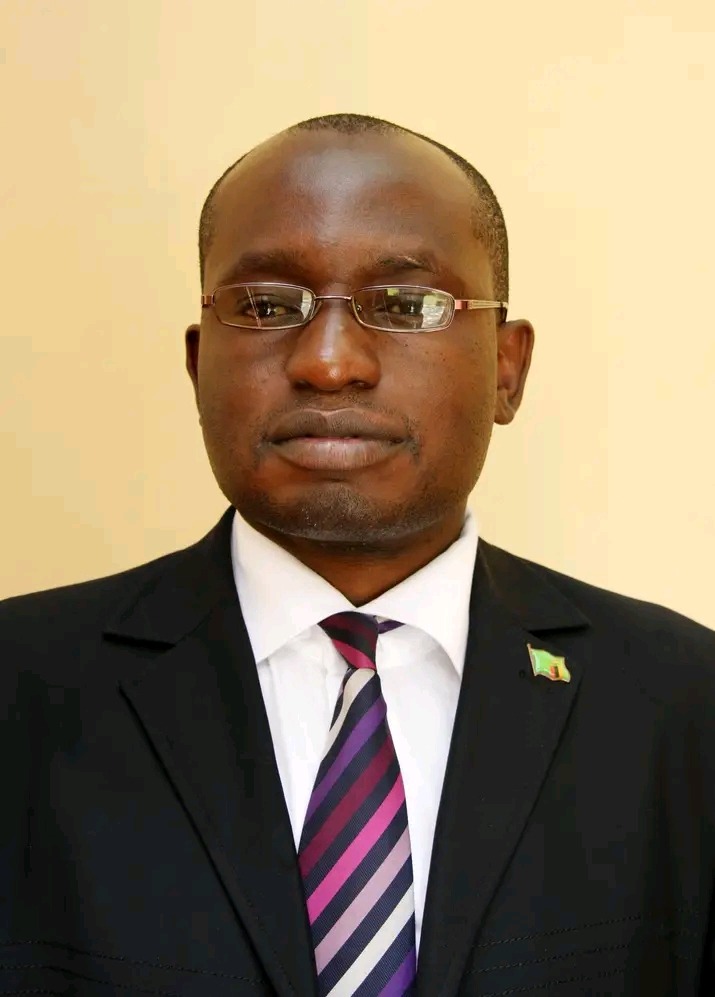
Lusaka High Court: Money Lender Sues Amos Chanda Over K3M Debt
Lusaka money lender Bruce Choongo has initiated a lawsuit against former State House press aide Amos Chanda in the Lusaka High Court over an alleged K3 million debt.
This civil action, filed by Mr. Choongo, alleges that Mr. Chanda borrowed K3 million from him and has failed to repay the sum. The filing of a statement of claim in the High Court marks the formal commencement of legal proceedings to recover the outstanding amount. This development underscores the recourse available to individuals and entities seeking to enforce financial obligations through the Zambian judicial system.
The legal significance of this case for practitioners lies in its demonstration of the enforceability of private loan agreements and the mechanisms for debt recovery in Zambia. It highlights the importance of clear contractual terms, even in personal lending scenarios, and the potential for high-profile individuals to face civil litigation over financial obligations. For businesses, particularly those involved in lending or credit, it reinforces the necessity of robust documentation, due diligence, and effective debt recovery strategies. The case also serves as a reminder that financial disputes, regardless of the parties involved, can lead to formal legal proceedings.
Legally, this matter falls squarely within the ambit of contract law, specifically concerning the enforcement of loan agreements. The Lusaka High Court is the appropriate forum for such a claim, possessing unlimited monetary jurisdiction in civil matters. The procedural aspects of the case will be governed by the Zambian Civil Procedure Rules, which dictate the filing of pleadings, service of process, discovery, and trial procedures. While the excerpt does not specify if Mr. Choongo operates as a registered money lender, such a detail could introduce considerations under the Money Lenders Act, which regulates lending practices in Zambia. The key parties involved are Bruce Choongo as the plaintiff, Amos Chanda as the defendant, and the Lusaka High Court as the adjudicating body.
Practitioners should advise clients on the critical importance of formalizing any significant lending arrangements, even between individuals, through written loan agreements, promissory notes, or other verifiable documentary evidence. They should also be prepared for the procedural intricacies of debt recovery litigation in the High Court, including the drafting of comprehensive statements of claim and managing the subsequent stages of litigation. Businesses engaged in lending activities should review their internal processes for loan documentation, default management, and legal recourse. The outcome of this specific matter is not yet reported, but attorneys should monitor its progression for insights into judicial approaches to debt enforcement, particularly when prominent figures are involved.
How does this affect you?
Get an AI analysis of this article grounded in your jurisdictions, practice areas, and any policy documents you've uploaded to Wansom.
Finish Reading the Full Story and the Expert Analysis.
Get the latest legal & regulatory intelligence in Zambia
Wansom is AI and can make mistakes.