
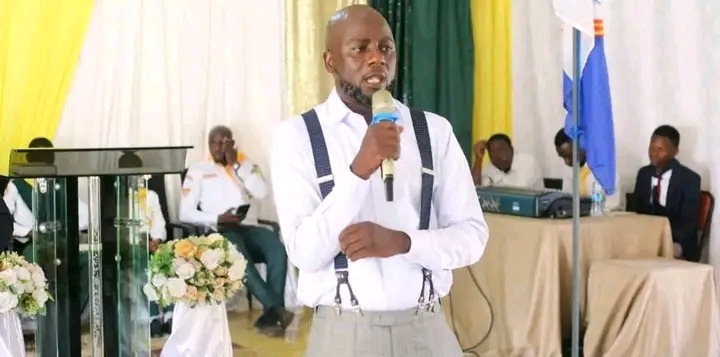
ZM UPND: Liswaniso Challenges Hichilema Presidential Term Limits
Summary
- UPND National Youth Chairman Gilbert Liswaniso questioned the necessity of presidential term limits.
- Liswaniso argued that voters, not constitutional restrictions, should determine a president's tenure.
- He stated there is no reason for the presidency to have term limits, linking his comments to President Hichilema's potential future terms.
- His remarks could signal future debates within the UPND and nationally regarding constitutional amendments on presidential term limits.
What Happened
His questioning of presidential term limits, particularly in the context of President Hichilema's tenure, could foreshadow an internal UPND term limit debate or even a broader national conversation about constitutional reform.
Gilbert Liswaniso, who serves as the National Youth Chairman for Zambia's ruling United Party for National Development (UPND), recently ignited a significant political discussion by publicly questioning the fundamental premise of presidential term limits. His remarks suggest a potential shift in the party's stance or at least an open debate regarding the established constitutional framework governing the nation's highest office. Liswaniso's commentary specifically challenges the notion that a president's tenure should be capped by constitutional provisions, framing the issue as one of democratic choice.
During his intervention, Mr. Liswaniso articulated a clear preference for popular sovereignty over codified restrictions. He contended that the electorate, through its voting power, should ultimately determine how long an individual remains in presidential office, rather than having such decisions dictated by constitutional constraints. This perspective directly pits the will of the voters against the structural safeguards typically embedded in democratic constitutions to prevent the entrenchment of power.
The UPND official further asserted that there is no compelling justification for imposing any limitations on the number of terms a president can serve. While his statements were framed generally, the context of the public discourse, particularly as highlighted by the original reporting, strongly links his comments to the ongoing discussions surrounding President Hakainde Hichilema's potential future eligibility and the broader implications for Liswaniso Hichilema presidential term limits.
Legal Context
Presidential term limits are a cornerstone of many modern democratic constitutions, designed to prevent the concentration of power, foster political renewal, and safeguard against authoritarian tendencies. These provisions typically stipulate a maximum number of terms an individual can serve as head of state, ensuring a regular rotation of leadership and promoting accountability. Zambia, like numerous other nations, operates under a constitutional framework that includes such limitations, reflecting a commitment to democratic principles and the peaceful transfer of power.
Mr. Liswaniso's remarks, therefore, represent a direct challenge to this established constitutional principle within Zambia. By advocating for the removal or disregard of term limits in favor of unfettered voter discretion, he is effectively proposing a significant departure from conventional constitutional design. Such a stance could pave the way for a Zambia constitutional amendment debate, potentially altering the fundamental structure of the nation's governance and impacting the long-term stability of its democratic institutions.
The debate around Zambia presidential term limits is not merely academic; it touches upon the very essence of democratic governance. Legal scholars and constitutional lawyers often emphasize that while voter choice is paramount, constitutional safeguards, including term limits, are crucial for protecting the democratic process itself from potential abuses of power. Liswaniso's argument, if widely adopted, could necessitate a re-evaluation of these foundational legal principles.
Why It Matters
The statements from a prominent UPND official like Gilbert Liswaniso carry significant weight and signal potential future directions for political discourse and policy within Zambia. His questioning of presidential term limits, particularly in the context of President Hichilema's tenure, could foreshadow an internal UPND term limit debate or even a broader national conversation about constitutional reform. Such discussions are critical for legal professionals to monitor, as they directly impact the rule of law and the constitutional trajectory of the nation.
These comments are particularly relevant for those observing the Hichilema second term debate, as they introduce a new dimension to the political landscape. Should the ruling party officially entertain the idea of amending term limits, it would have profound implications for Zambia's political stability, its democratic reputation, and the predictability of its governance structures. The legal community, especially those specializing in public and constitutional law, will need to closely track these developments to understand their potential impact on future elections and the balance of power.
Ultimately, the public questioning of constitutional term limits by a senior party figure underscores the dynamic nature of democratic governance. It highlights how political rhetoric can influence constitutional interpretation and potentially lead to calls for legislative or constitutional changes. For legal practitioners, these discussions are not just political commentary but indicators of potential shifts in the legal framework that governs the nation's highest office.
Practical Implications
This political commentary signals potential future constitutional reform debates in Zambia regarding presidential term limits. Lawyers in public or constitutional law should monitor these discussions for implications on governance and political stability.
Source
How does this affect you?
Get an AI analysis of this article grounded in your jurisdictions, practice areas, and any policy documents you've uploaded to Wansom.
Finish Reading the Full Story and the Expert Analysis.
Get the latest legal & regulatory intelligence in Zambia
Wansom is AI and can make mistakes.