
Lindian Resources: No Compliance Issues with Malawian Mining Laws
Summary
- Lindian Resources Limited claims its mining license is within statutory thresholds.
- The company was asked to upgrade its medium-scale mining license by the Malawi Government and Parliament two weeks ago.
- The request for an upgraded license comes ahead of Lindian Resources' first concentrate production, which is still targeted for Q4 2026, following the successful completion of its first production blast in early July 2026.
- Malawi's mining regulations require companies to meet certain standards and thresholds, including upgrading medium-scale licenses to large-scale licenses once a company reaches a certain level of production.
What Happened
The company claims that its license is compliant with statutory thresholds and that it had been cleared by the government of any allegations of illegal mining activities.
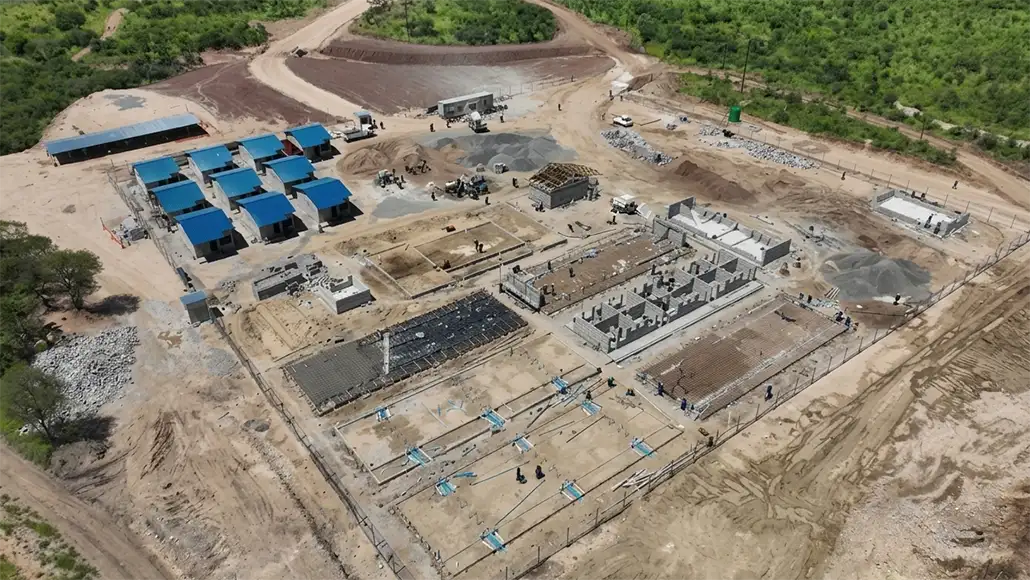
Lindian Resources Limited, the owner of the Kangankunde Rare Earth Project in Balaka District, Malawi, has responded to recent concerns over its mining license. The company claims that its license is compliant with statutory thresholds and that it had been cleared by the government of any allegations of illegal mining activities. This statement comes after the Malawi Government and Parliament requested Lindian Resources to upgrade its medium-scale mining license two weeks ago.
The request for an upgraded license was made ahead of the company's first concentrate production, which is still targeted for Q4 2026, following the successful completion of its first production blast in early July 2026. However, the move has sparked concerns among some stakeholders about the company's compliance with Malawian laws and regulations.
Legal Context
Malawi's mining regulations are designed to ensure that companies operating in the country meet certain standards and thresholds. One of the key requirements is that medium-scale mining licenses must be upgraded to large-scale licenses once a company reaches a certain level of production. The exact threshold for upgrading a license is not specified in the source, but it appears that Lindian Resources has been asked to upgrade its license ahead of reaching this milestone.
The request from the Malawi Government and Parliament suggests that there may be concerns about the company's compliance with these regulations. However, Lindian Resources claims that it has met all necessary requirements and is operating within the law. The company's assertion that it had been cleared by the government of any allegations of illegal mining activities has since been officially affirmed by the Malawian government.
The regulatory environment in Malawi is complex, and companies operating in the country must ensure that they are meeting all relevant requirements. Lawyers advising clients on mining projects in Malawi should review the regulatory framework carefully to avoid potential exposure.
Why It Matters
The compliance of Lindian Resources' mining license with statutory thresholds is a critical issue for the company and its stakeholders. If the company's license is found to be non-compliant, it could face significant penalties and reputational damage. The request from the Malawi Government and Parliament highlights the importance of ensuring that companies operating in the country are meeting all necessary requirements.
The Kangankunde Rare Earth Project is a major investment for Lindian Resources, and the company's ability to operate within the law will be crucial to its success. The project has the potential to bring significant economic benefits to Malawi, but it must also meet the country's regulatory requirements. By ensuring that its license is compliant with statutory thresholds, Lindian Resources can avoid potential exposure and focus on delivering a successful project.
Practical Implications
Lawyers advising clients on mining projects in Malawi should review the regulatory requirements and ensure their licenses are compliant with statutory thresholds to avoid potential exposure.
Source
How does this affect you?
Get an AI analysis of this article grounded in your jurisdictions, practice areas, and any policy documents you've uploaded to Wansom.
Wansom is AI and can make mistakes.