
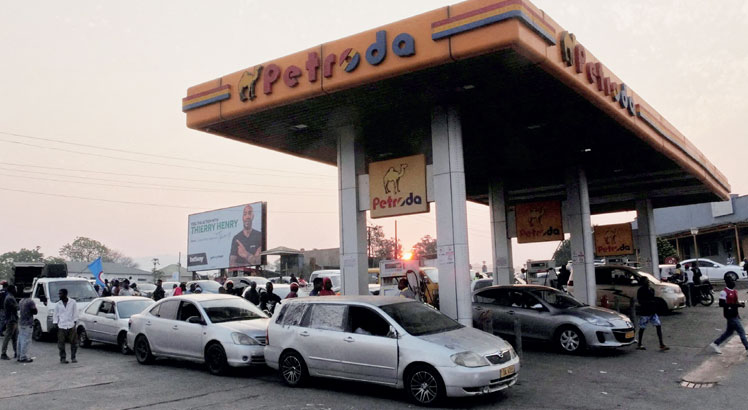
Lilongwe City Council Launches Illegal Fuel Trade Crackdown
Summary
- The Lilongwe City Council has initiated a crackdown on illegal fuel trading, hoarding, and unregistered motorcycles.
- This enforcement action is a direct response to persistent fuel scarcities, disorderly queues, and alleged corruption at service stations.
- Chief Executive Officer Clement Stambuli announced measures including impounding vehicles obstructing traffic near fuel stations.
- Fuel stations found hoarding fuel face the suspension or revocation of their operating licenses.
Intensified Enforcement in Lilongwe
These include the suspension or outright Lilongwe fuel station license revocation, a critical step in the Malawi fuel hoarding enforcement strategy.
The Lilongwe City Council has initiated a comprehensive enforcement effort aimed at curbing illicit activities within the city's fuel distribution network. This significant move, characterized as a Lilongwe City Council illegal fuel trade crackdown, comes in response to ongoing challenges including severe fuel shortages, chaotic queuing at service stations, and allegations of corrupt practices. The Council's directive seeks to restore order and fairness to the fuel market, which has been under considerable strain.
Chief Executive Officer Clement Stambuli formally announced the new measures, outlining a multi-faceted approach to address the prevalent issues. The crackdown specifically targets three key areas: individuals engaged in illegal fuel trading, businesses involved in fuel hoarding, and the operation of unregistered motorcycles. This broad scope indicates a determination to tackle both the supply-side and demand-side contributors to the current market instability.
The decision to implement such stringent controls reflects the Council's concern over the deteriorating situation, where legitimate consumers face difficulties accessing fuel while illicit activities reportedly thrive. The measures are designed to create a more regulated environment, ensuring that fuel resources are distributed equitably and in accordance with established legal frameworks.
New Measures Targeting Non-Compliance
Under the newly announced directives, the Lilongwe City Council will implement immediate and decisive actions against those found in violation of fuel trading and traffic regulations. A primary focus of these new Clement Stambuli fuel regulations involves addressing the disruption caused by vehicles around service stations. Any vehicle found obstructing traffic flow in the vicinity of fuel pumps will be subject to impoundment. This particular measure aims to alleviate the congestion and safety hazards often associated with long fuel queues.
Furthermore, the Council is taking a firm stance against fuel stations that engage in hoarding. Service station operators discovered to be stockpiling fuel, rather than distributing it to consumers, face severe penalties. These include the suspension or outright Lilongwe fuel station license revocation, a critical step in the Malawi fuel hoarding enforcement strategy. Such actions underscore the Council's commitment to ensuring that available fuel supplies are made accessible to the public, rather than being withheld for speculative purposes or illicit trade.
These enforcement mechanisms are intended to send a clear message to all stakeholders in the fuel sector about the consequences of non-compliance. The emphasis on both traffic management and direct penalties for hoarding highlights a dual strategy to improve public access to fuel and deter practices that exacerbate existing scarcities.
Addressing Market Disruptions
The impetus behind the Lilongwe City Council's robust enforcement drive stems directly from the persistent and widespread fuel scarcities that have plagued the city. These shortages have not only caused significant inconvenience for residents but have also led to the emergence of disorderly queues at fuel stations, further disrupting daily life and commerce. The Council's intervention is a direct response to these challenging conditions, aiming to restore stability and predictability to the fuel supply chain.
Beyond the visible issues of scarcity and queues, the Council's actions also address underlying concerns regarding alleged corruption within the fuel distribution system. Such allegations, if substantiated, contribute to an environment where illicit activities can flourish, undermining legitimate businesses and public trust. The comprehensive nature of the crackdown, including the focus on illegal trading, is designed to root out these corrupt practices and foster a more transparent and equitable market.
The directive also extends to broader regulatory compliance, as evidenced by the targeting of unregistered motorcycles. While seemingly distinct, the inclusion of Malawi unregistered motorcycle impoundment within the overall crackdown suggests a holistic approach to enforcing regulations that contribute to public order and safety, especially in areas where informal fuel trade might intersect with unregulated transport. This multi-pronged strategy reflects a determination to tackle various facets of market dysfunction that have emerged during the period of fuel scarcity.
Practical Implications
Lawyers advising fuel station operators or businesses involved in fuel distribution in Lilongwe should immediately review their clients' compliance with fuel trading and storage regulations, as the Council's new enforcement measures significantly increase the risk of license suspension, revocation, and vehicle impoundment for non-compliance.
Source
How does this affect you?
Get an AI analysis of this article grounded in your jurisdictions, practice areas, and any policy documents you've uploaded to Wansom.
Finish Reading the Full Story and the Expert Analysis.
Get the latest legal & regulatory intelligence in Malawi
Wansom is AI and can make mistakes.