
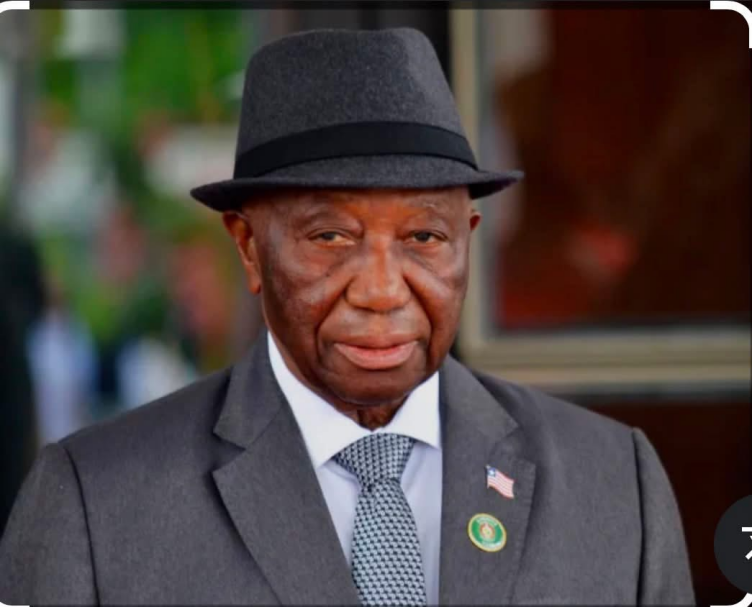
Liberia: Gongloe Demands President Boakai Salary Disclosure Amid Pay Cut Questions
Summary
- Renowned Liberian lawyer Cllr. Tiawan Saye Gongloe has publicly challenged President Joseph Nyuma Boakai to disclose his salary.
- Gongloe is questioning the legal basis, implementation, and transparency of the President's reported 40 percent voluntary pay reduction.
- President Boakai had pledged to reduce his salary during his campaign and upon taking office.
- The challenge raises significant questions about constitutional compliance and public official salary transparency in Liberia.
Call for Presidential Salary Transparency
Lawyers advising public officials or government bodies in Liberia should closely monitor the outcome of Cllr. Gongloe's challenge, as it could establish new precedents for executive salary disclosure and constitutional compliance regarding public sector remuneration, potentially impacting future transparency obligations.
A prominent Liberian legal figure, Cllr. Tiawan Saye Gongloe, has publicly called upon President Joseph Nyuma Boakai to reveal his official salary. This demand comes amidst broader scrutiny regarding the President's previously announced 40 percent voluntary pay reduction, with Gongloe questioning the legal foundation, practical execution, and overall transparency surrounding this reported cut.
President Boakai had made a commitment to decrease his remuneration both during his electoral campaign and following his inauguration. However, the specifics of this reduction, particularly its adherence to established legal frameworks and the method of its implementation, have now become a subject of public inquiry, spearheaded by the renowned lawyer from Monrovia.
Legal and Constitutional Questions Raised
Cllr. Gongloe's challenge extends beyond a simple request for disclosure; it delves into the constitutional compliance of the President's salary adjustments. His concerns highlight potential ambiguities in the legal basis underpinning the reported 40 percent reduction in presidential pay. The lawyer's intervention suggests a need for clarity on whether such a voluntary cut aligns with existing statutes governing public official remuneration in Liberia.
This situation brings into focus the broader issue of Liberia presidential pay cut legality and the mechanisms by which high-ranking officials' salaries are determined and altered. The absence of public disclosure regarding the President's actual earnings, coupled with questions about the voluntary reduction, prompts a critical examination of transparency standards for public officials in the nation.
Implications for Public Trust and Governance
The demand for Liberia President Boakai salary disclosure is not merely about financial figures; it touches upon fundamental principles of good governance and public trust. When a prominent legal voice like Tiawan Gongloe raises questions about the transparency of the head of state's compensation, it underscores the importance of clear, accessible information for citizens regarding how their leaders are compensated.
This development could set a precedent for future expectations regarding Liberia public official salary transparency. The outcome of this challenge, particularly how President Boakai responds to the call for disclosure and addresses the questions surrounding the 40 percent pay cut, will be closely watched as an indicator of the administration's commitment to openness and accountability.
Why This Matters for Legal Practitioners
Lawyers advising public officials or government bodies in Liberia should closely monitor the outcome of Cllr. Gongloe's challenge, as it could establish new precedents for executive salary disclosure and constitutional compliance regarding public sector remuneration, potentially impacting future transparency obligations. The legal arguments surrounding the President Boakai constitutional compliance regarding his salary and its reduction will be particularly instructive.
The specific concerns raised by Gongloe salary disclosure demand Liberia highlight the intricate relationship between political pledges, legal frameworks, and public expectations for transparency. Understanding how these issues are resolved will be crucial for legal professionals guiding clients through the complexities of public sector ethics and compliance in Liberia.
Practical Implications
Lawyers advising public officials or government bodies in Liberia should closely monitor the outcome of Cllr. Gongloe's challenge, as it could establish new precedents for executive salary disclosure and constitutional compliance regarding public sector remuneration, potentially impacting future transparency obligations.
Source
How does this affect you?
Get an AI analysis of this article grounded in your jurisdictions, practice areas, and any policy documents you've uploaded to Wansom.
Finish Reading the Full Story and the Expert Analysis.
Wansom is AI and can make mistakes.