
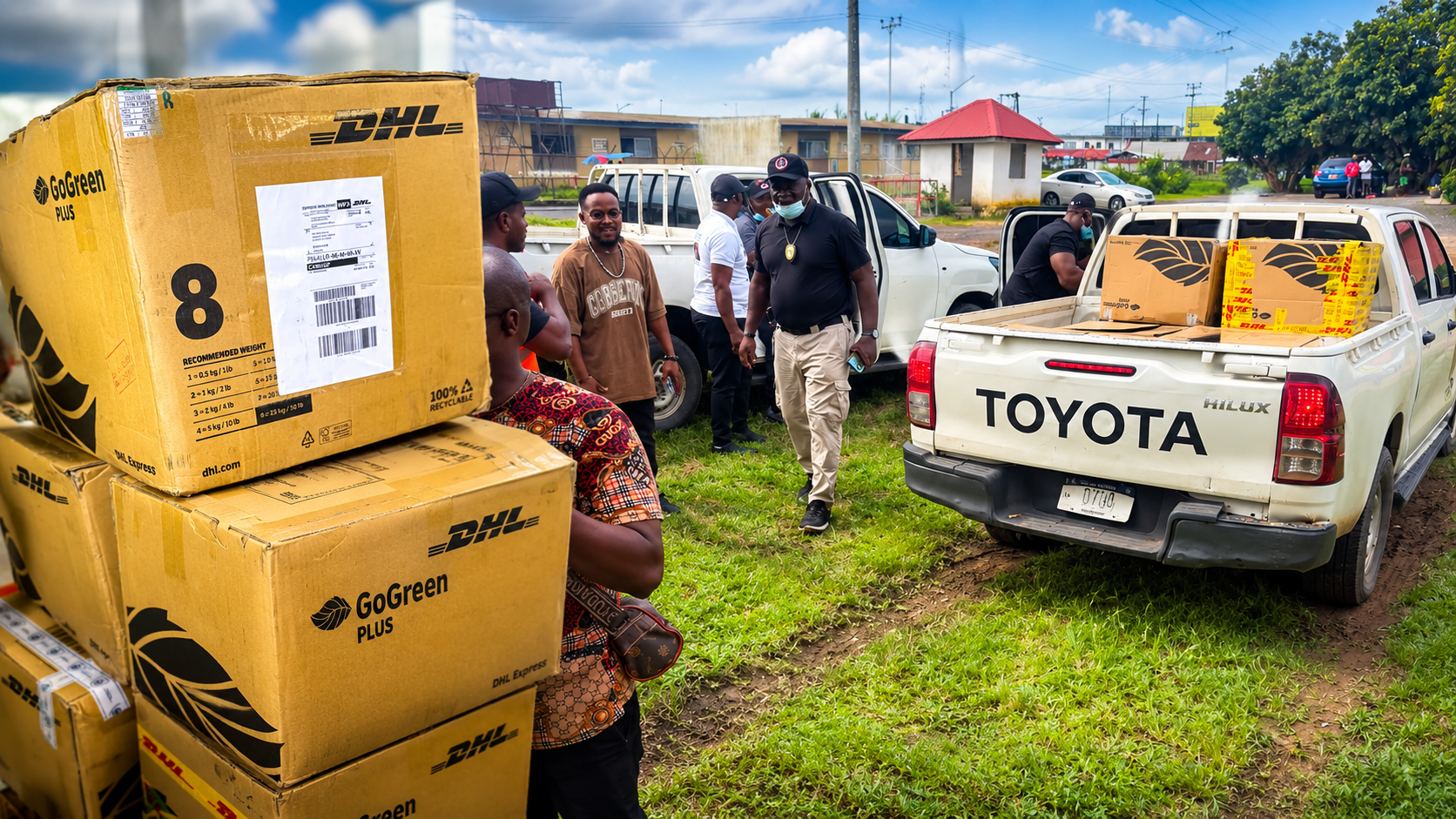
Liberia: Suspected Narcotics Shipment Seized at Roberts Airport
In Liberia, a 202.5 kg shipment originating from Malaysia and initially cleared by customs at Roberts International Airport is currently undergoing narcotics testing following suspicion, as reported by FrontPageAfrica. The shipment, declared as botanical powder, coffee, and candy, was flagged after passing through customs, raising concerns about its true contents. This incident occurs amidst a broader context of escalating cocaine seizures that have positioned Liberia as a significant transit point in West African drug trafficking routes, underscoring a persistent challenge for national security and law enforcement agencies.
This development carries substantial legal significance for practitioners in Liberia and the wider West African region, particularly those specializing in international trade, customs law, and criminal defense. It highlights the intensified scrutiny on all imports and exports, increasing the potential for criminal charges against individuals and entities involved in supply chains, even if their involvement is unwitting. For businesses, this necessitates a critical review of existing due diligence processes for suppliers, freight forwarders, and logistics partners to mitigate exposure to illicit trafficking. The ongoing trend of escalating seizures also signals a likely increase in enforcement actions, which will inevitably lead to more complex criminal proceedings, asset forfeiture cases, and demands for robust legal representation.
The legal framework governing such incidents in Liberia primarily involves the Penal Law of Liberia, which criminalizes illicit drug trafficking and possession. The Controlled Drugs and Substances Act of 2014 is the principal statute defining prohibited substances, prescribing penalties, and outlining enforcement powers for agencies like the Liberia Drug Enforcement Agency (LDEA). Customs procedures are regulated by the Liberia Revenue Authority (LRA) Act and its associated regulations, granting customs officials broad powers to inspect goods, seize contraband, and initiate investigations. The Roberts International Airport (RIA) operates under the jurisdiction of the Liberia Airport Authority (LAA) and adheres to both national and international aviation security protocols. Any subsequent prosecutions would fall under the purview of the Liberian court hierarchy, including Magisterial and Circuit Courts, with the Ministry of Justice overseeing the prosecutorial process. Liberia's obligations under international conventions, such as the UN Convention against Illicit Traffic in Narcotic Drugs and Psychotropic Substances, also inform its domestic legal responses.
Key parties involved in this matter include the Liberia Drug Enforcement Agency (LDEA) and Liberia Revenue Authority (LRA) Customs, who are responsible for the investigation and testing, respectively. The Liberia Airport Authority (LAA) manages the operational environment where the incident occurred. The shipment originated from Malaysia, indicating a potential international dimension to the trafficking network. While the specific consignor and consignee are not named, they would become central figures if narcotics are confirmed. FrontPageAfrica serves as the reporting entity, bringing this critical issue to public attention. The outcome of the current testing is not yet reported, and will be a pivotal factor in determining the subsequent legal actions.
Practitioners should advise clients engaged in import/export, logistics, and supply chain management in Liberia to immediately review and fortify their compliance protocols, especially for goods originating from or transiting through high-risk jurisdictions. This includes implementing enhanced due diligence on all trading partners, rigorous verification of cargo contents, and incorporating robust contractual clauses that address the presence of illicit goods. Criminal defense attorneys should prepare for a potential surge in drug trafficking cases, requiring a deep understanding of Liberian drug laws, customs regulations, and the evidentiary standards for proving intent or knowledge. Businesses should also proactively engage with customs brokers and legal counsel to ensure strict adherence to all regulatory requirements and to understand their potential liabilities in the event of a seizure or investigation.
How does this affect you?
Get an AI analysis of this article grounded in your jurisdictions, practice areas, and any policy documents you've uploaded to Wansom.
Finish Reading the Full Story and the Expert Analysis.
Get the latest legal & regulatory intelligence in Liberia
Wansom is AI and can make mistakes.