
Liberia Senate Committee: Proposes $792K Staff Pay Raise for FY2027 Budget
Summary
- Liberia's Senate Committee on Rules, Order and Administration proposed a US$792,552 pay raise for 224 staff and four new hires in the FY2027 budget.
- A top legal officer's salary could increase by 71% to US$2,920 monthly, which is approximately 20 times the legal minimum wage for an unskilled worker.
- The proposal, submitted on October 12, cites the National Remuneration Standardization Act of 2019 but would significantly widen existing pay disparities among Senate staff.
- The requested funds could alternatively pay 440 civil servants at the government's US$150 monthly floor for a year, or 132 nurses at their requested US$500 monthly salary.
- This initiative unfolds as nearly half of the Liberian population lives below the national poverty line, highlighting a stark contrast in economic realities.
Legislative Staff Pay Hike Proposed
The proposed allocation of nearly US$800,000 for legislative staff salary increases stands in stark contrast to the severe economic hardships faced by a significant portion of the Liberian populace.
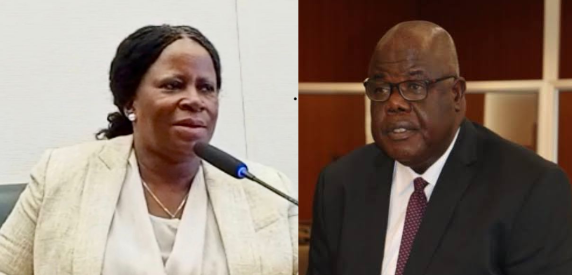
A proposal from the Liberian Senate Committee on Rules, Order and Administration (ROA) seeks a substantial increase in compensation for its staff, requesting US$792,552 be allocated in the Fiscal Year 2027 budget. This funding is intended to provide salary adjustments for 224 existing Senate employees and facilitate the hiring of four new maintenance personnel. The committee, chaired by Senator J. Gbleh-bo Brown of Maryland County, formally submitted this request to President Pro Tempore Nyonblee Karnga-Lawrence on October 12, following its signing by six of the seven committee members on October 7; Senator Augustine Chie's signature was notably absent.
The proposed budget allocation details reveal that the largest portion, US$554,712, is earmarked for the 174 personal staff members working within the offices of the 29 senators. An additional US$199,320 is designated for 50 civil servants operating within the Central Administration of the Senate, while US$38,520 would cover the salaries of the four new maintenance hires. The committee asserts that these adjustments are necessary to foster harmony among staff and to align Senate remuneration with comparable positions in the Executive Branch, citing the National Remuneration Standardization Act of 2019 as a guiding principle. Furthermore, the proposal suggests that a review of remaining staff salaries should be conducted in the FY2028 budget, indicating a potential for future compensation requests.
Disparities Amidst Standardization Efforts
Despite the committee's reference to the National Remuneration Standardization Act of 2019, an analysis of the proposed salary increases indicates a significant widening of the pay gap within the legislative body. The Act was originally designed to reduce income inequality across government positions; however, the current proposal appears to achieve the opposite effect, with higher-ranking roles receiving disproportionately larger raises. For instance, a top legal officer's monthly salary is projected to jump by 71 percent, from US$1,704 to US$2,920. This US$1,216 monthly increase alone surpasses eight months of the legal minimum wage for an unskilled Liberian worker, which stands at US$5.50 per day, a rate unchanged since 2015.
In contrast, Executive Secretaries would see a 17 percent increase, amounting to US$96, while Technical Supervisors are slated for a mere 7 percent raise. The current salary difference between a Legal Counsel and an Executive Secretary, approximately US$1,150 per month, would nearly double to about US$2,270 under the proposed structure. The 29 Chiefs of Staff in senators' offices alone account for US$166,692 of the annual raise budget, with personal staff collectively receiving 70 percent of the total package. These figures highlight a potential inconsistency between the stated goals of the 2019 Act and the practical application of the proposed salary adjustments, raising questions about the effectiveness of remuneration standardization in addressing government salary disparities.
Economic Context and Broader Implications
The proposed allocation of nearly US$800,000 for legislative staff salary increases stands in stark contrast to the severe economic hardships faced by a significant portion of the Liberian populace. Approximately half of all Liberians live below the national poverty line, a figure projected to reach 51 percent this year, while 52 percent experience multidimensional poverty according to the World Food Programme. Government data further indicates that nearly five out of ten households allocate over 65 percent of their income solely to food, and about one-third of Liberians are undernourished, with 30 percent of young children suffering from stunting. The nation's reliance on imported rice, growing less than a third of its consumption, leaves families vulnerable to global price fluctuations.
This economic backdrop underscores the sensitivity of legislative pay discussions. The US$792,552 requested for Senate staff raises could, alternatively, fund 440 civil servants at the government's US$150 monthly floor for an entire year, or provide the requested US$500 monthly minimum salary for 132 nurses. Other public sector workers, including teachers whose US-dollar pay has been delayed since October 2025, also face significant financial challenges. Labour Minister Cooper Kruah has previously issued warnings to security firms for paying guards as little as US$75 per month, which is half the legal minimum. The timing of this proposal, as the Executive prepares to submit the FY2027 budget by the October 31 deadline, places it within a broader national conversation about resource allocation and public sector compensation.
Practical Implications
Lawyers advising on public sector employment or compensation in Liberia should monitor the progression of this Senate pay raise proposal, as it highlights potential inconsistencies in remuneration practices despite the National Remuneration Standardization Act of 2019. Understanding these internal legislative compensation dynamics is crucial for anticipating future government budget allocations and policy directions related to public sector salaries.
Source
How does this affect you?
Get an AI analysis of this article grounded in your jurisdictions, practice areas, and any policy documents you've uploaded to Wansom.
Finish Reading the Full Story and the Expert Analysis.
Get the latest legal & regulatory intelligence in Liberia
Wansom is AI and can make mistakes.