
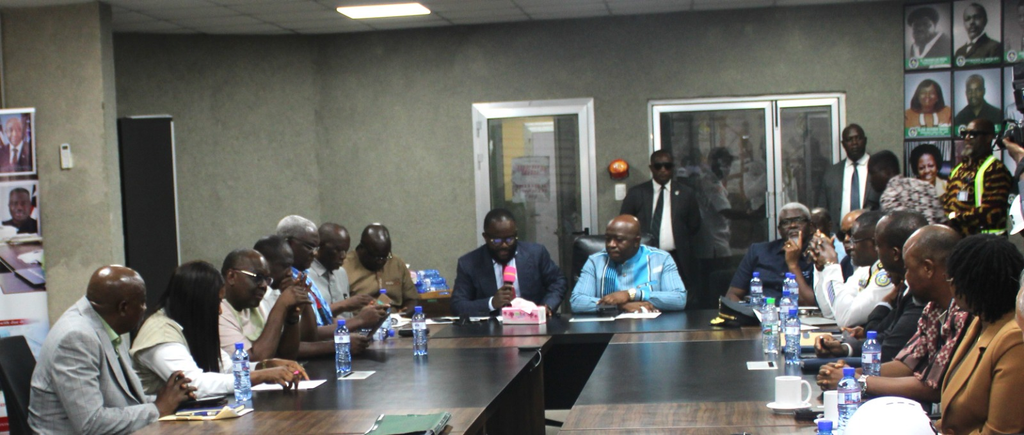
Liberia: Government Unveils Port Relief Measures, 24-Hour Operations
Summary
- Liberia announced immediate port relief measures and long-term reforms to reduce business costs and ease congestion at the Freeport of Monrovia.
- The government plans to introduce 24-hour port operations, potentially starting next week, requiring coordination across all port stakeholders.
- Shipping lines are expected to remove the Delivery Order Fee, and the Liberia Revenue Authority will deploy more personnel to address customs bottlenecks.
- Informal charges are to be eliminated, with all legitimate fees requiring transparent regulations and prior communication to businesses.
- Digital customs payments are scheduled to be implemented by January 2027 as part of broader operational reforms.
Sweeping Reforms Target Port Efficiency and Costs
The government's renewed commitment to transitioning the Freeport of Monrovia to round-the-clock operations represents a critical step toward increasing productivity, reducing delays, and lowering the cost of doing business.
The Government of Liberia has unveiled a comprehensive package of immediate relief measures and long-term reforms designed to significantly reduce the cost of doing business, alleviate congestion at the Freeport of Monrovia, and enhance the efficiency of cargo clearance. These initiatives, announced on Monday, November 16, include ambitious plans for the introduction of 24-hour port operations, potentially commencing as early as next week.
These critical decisions emerged from a high-level meeting that convened the government's Economic Management Team (EMT), National Security Council (NSC), and key port stakeholders at the Freeport of Monrovia. The gathering brought together a diverse group of participants, including government officials, representatives from shipping lines, importers, and various business entities, all focused on addressing persistent challenges impacting port operations and the movement of goods.
The Ministry of Finance and Development Planning (MFDP) issued a press release outlining the core objectives of these reforms: to eliminate unnecessary charges, improve service delivery standards, and ensure that the economic benefits of trade translate into tangible cost reductions for both businesses and consumers across Liberia. This strategic overhaul aims to create a more favorable and predictable environment for commercial activities within the country.
Addressing Financial Burdens and Promoting Transparency
A central component of the new Liberia port relief measures involves a direct attack on various financial burdens faced by businesses. Finance and Development Planning Minister Augustine Kpehe Ngafuan confirmed that shipping lines are expected to remove the Delivery Order Fee following consultations with their principals, a process anticipated to conclude within one week. This move is projected to offer immediate financial relief to importers.
Minister Ngafuan also acknowledged widespread concerns regarding charges imposed on businesses, particularly those linked to customs and port-related services. He unequivocally stated that all informal charges must cease, emphasizing that any legitimate fees must be governed by transparent regulations and clearly communicated to businesses well in advance of their implementation. Furthermore, the government intends to engage relevant stakeholders concerning the proposed removal of the MSC-related surcharge, underscoring that port charges should foster a competitive business environment rather than imposing additional financial strain on importers and consumers.
To further streamline processes and address customs bottlenecks, the Liberia Revenue Authority (LRA) has committed to deploying additional personnel. This increased staffing is intended to promptly address complaints from the business community, particularly those pertaining to customs inspections and cargo clearance procedures. The government anticipates significant progress on this front within a 14-day timeframe, signaling a proactive approach to resolving long-standing issues.
Implementing Round-the-Clock Operations and Logistics Improvements
A cornerstone of the announced reforms is the government's renewed commitment to transitioning the Freeport of Monrovia to round-the-clock operations. This ambitious shift to a 24-hour operational model is deemed critical for boosting productivity, significantly reducing delays, and ultimately lowering the cost of doing business in Liberia. Minister Ngafuan stressed that this transition will necessitate close coordination among all government agencies and private-sector operators, requiring them to extend their activities beyond conventional working hours, including nights and weekends.
Stakeholders across the entire port service chain have been urged to commence preparations for this imminent transition, with the necessary arrangements potentially rolling out as early as the following week. This move represents a fundamental change from a port system largely confined to standard business hours, promising a more dynamic and efficient trade gateway.
Complementing the 24-hour operations, the government also plans to support the establishment of a dedicated truck parking and servicing area near the old Bong Mines section of the port. This initiative aims to improve truck management and mitigate operational difficulties within the port community. Additionally, Police Inspector General Gregory Coleman announced new measures to regulate the movement of trucks departing the Freeport of Monrovia, focusing on roadworthiness, traffic management, and public safety. These measures are designed to enhance coordination among the Liberia National Police, port authorities, and transport operators, ensuring safer and more orderly cargo movement.
Future-Oriented Initiatives and Broader Impact
Looking ahead, the government's reform agenda also includes significant long-term enhancements to port operations. Customs Commissioner Saah Sarmoa announced that digital customs payments are slated for implementation by January 2027, marking a substantial step towards modernizing financial transactions within the port system. This digitalization is expected to further reduce administrative burdens and enhance transparency.
The overarching goal of these Liberia port operational reforms is to foster a more efficient, transparent, and cost-effective environment for trade. By addressing issues ranging from informal charges and customs bottlenecks to operational hours and logistics, the government aims to create a more predictable and competitive landscape for businesses engaged in import and export activities through the Freeport of Monrovia, ultimately benefiting the wider Liberian economy.
Practical Implications
Lawyers advising clients engaged in Liberian import/export should inform them of imminent changes to port operations and fee structures, which aim to reduce costs and improve cargo clearance. Compliance officers must monitor the implementation of transparent fee regulations and 24-hour operations to optimize logistics and ensure adherence to new customs procedures.
Source
How does this affect you?
Get an AI analysis of this article grounded in your jurisdictions, practice areas, and any policy documents you've uploaded to Wansom.
Finish Reading the Full Story and the Expert Analysis.
Get the latest legal & regulatory intelligence in Liberia
Wansom is AI and can make mistakes.