
Liberia Port Relief: 24-Hour Operations, Reduced Business Costs Announced
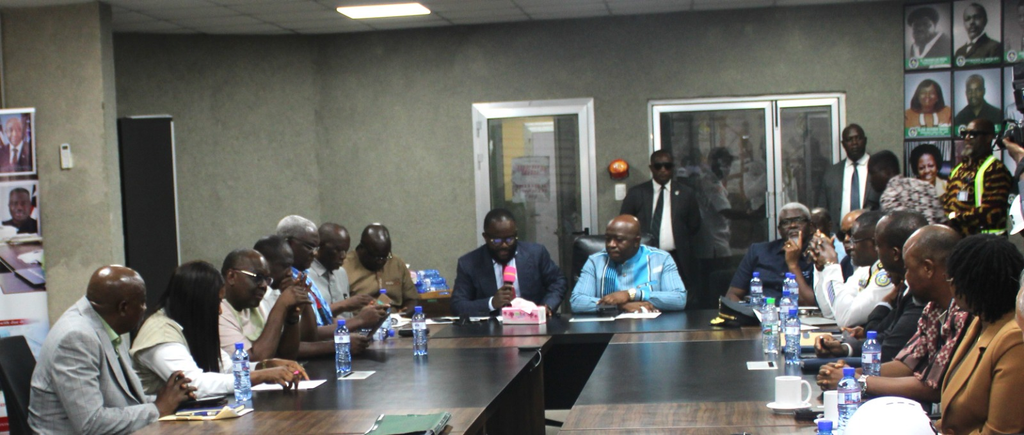
The Government of Liberia has announced a significant package of immediate relief measures and long-term reforms aimed at alleviating congestion at the Freeport of Monrovia, reducing the cost of doing business, and improving cargo clearance processes, including the planned introduction of 24-hour port operations. These measures were decided upon following a high-level meeting involving the Government’s Economic Management Team, the National Security Council, and key port stakeholders, including government officials, shipping lines, importers, and business representatives.
The legal and economic significance of these reforms is substantial, as they directly address persistent challenges that have inflated business costs and hindered trade efficiency in Liberia. By targeting shipping fees, customs bottlenecks, and container storage charges, the government aims to create a more predictable and cost-effective trading environment. The commitment to stopping informal charges and ensuring all legitimate fees are transparently regulated and communicated is crucial for fostering trust and encouraging investment. The introduction of 24-hour operations, if successfully implemented, could dramatically improve throughput and reduce dwell times for cargo.
The legal framework underpinning these reforms involves various statutes and regulations governing customs, maritime operations, and trade. The Ministry of Finance and Development Planning (MFDP) plays a central role in implementing these fiscal and economic policies. The excerpt references consultations with shipping lines regarding the removal of the Delivery Order Fee and addresses concerns about surcharges, indicating a regulatory and contractual dimension to these reforms. The involvement of the National Security Council suggests that port efficiency is also viewed through a national security lens, likely related to trade flow and economic stability.
The key parties involved are the Government of Liberia, represented by the Ministry of Finance and Development Planning and its minister, Augustine Kpehe Ngafuan, as well as the Economic Management Team and the National Security Council. Other crucial stakeholders include shipping lines, importers, business representatives, and port operators at the Freeport of Monrovia. The collective engagement signifies an effort to achieve consensus on critical reforms.
For legal practitioners and businesses operating in Liberia, the immediate takeaway is to stay abreast of the specific details and implementation timelines of these announced measures. Attorneys should advise clients on the implications of the expected removal of certain fees and the new transparency requirements for legitimate charges. Businesses should prepare for the potential shift to 24-hour operations and understand how these reforms will impact their logistics and cost structures. Monitoring the effective cessation of informal charges and the adherence to transparent fee structures will be critical for ensuring compliance and leveraging the intended benefits of these reforms.
How does this affect you?
Get an AI analysis of this article grounded in your jurisdictions, practice areas, and any policy documents you've uploaded to Wansom.
Finish Reading the Full Story and the Expert Analysis.
Get the latest legal & regulatory intelligence in Liberia
Wansom is AI and can make mistakes.