
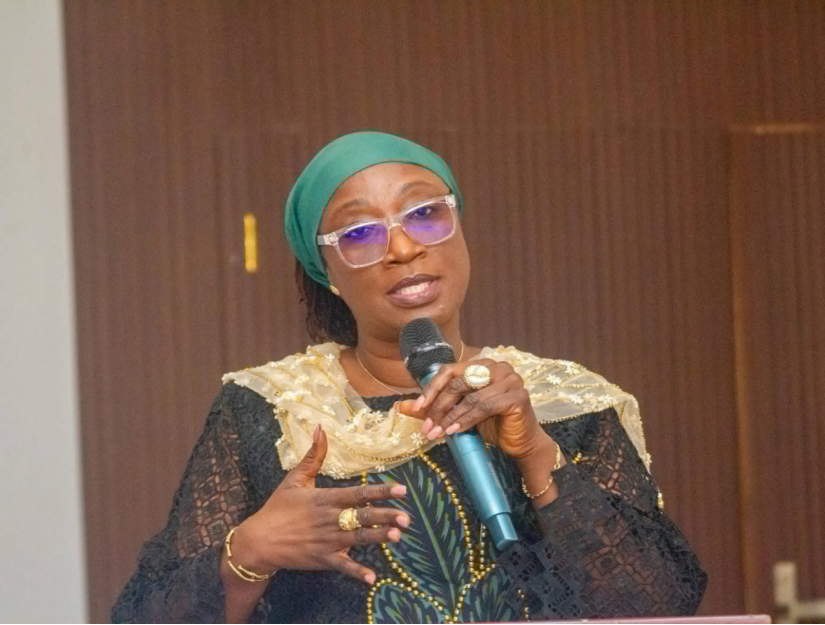
Liberia Launches 3rd National Action Plan on Women, Peace, Security
In Liberia, on Friday, the Government officially launched its Third National Action Plan (NAP III) on Women, Peace and Security for 2026–2031, with Gender, Children and Social Protection Minister Gbeme Horace Kollie urging all stakeholders to ensure its tangible implementation beyond mere policy commitments. The launch event, held at the Belle Casa Hotel Conference Hall in Monrovia, saw Minister Kollie emphasize the critical need for political commitment, adequate resources, effective coordination, and the active participation of women, particularly those in rural communities, for the plan's success. This five-year national framework aims to deliver concrete results for women and girls across the country, moving past the ceremonial adoption of previous policies.
This development carries significant legal implications for practitioners, businesses, and the public in Liberia. NAP III represents a renewed and strengthened commitment by the Liberian government to its international obligations under UN Security Council Resolution 1325, which underscores the vital role of women in conflict prevention, peacebuilding, and post-conflict recovery. For legal professionals, this plan will likely serve as a foundational document influencing future legislative reforms, policy directives, and resource allocation related to gender equality, human rights, and peace and security. The Minister's strong call for tangible results suggests a heightened focus on accountability and measurable impact, which could lead to more robust legal and institutional frameworks for protecting and promoting women's rights.
The legal context for NAP III is primarily international human rights and humanitarian law, specifically UN Security Council Resolution 1325 (2000) and its subsequent resolutions on Women, Peace and Security. Domestically, while NAP III itself is a policy document rather than a statute, it provides the strategic blueprint for various government ministries, departments, and agencies to develop and implement specific laws, regulations, and administrative measures. This framework is intended to guide legal and policy reforms aimed at integrating women's perspectives and ensuring their protection and participation in all aspects of peace and security, aligning national efforts with international standards. The outcome of this matter, being a policy launch, is explicitly reported in the excerpt.
Key parties involved in the launch and implementation of NAP III include the Government of Liberia, with the Ministry of Gender, Children and Social Protection, led by Minister Gbeme Horace Kollie, at the forefront. UN Women is a crucial collaborator, alongside various development partners, civil society organizations, women’s peacebuilding groups, and youth representatives. President Joseph Nyuma Boakai's expressed commitment to the initiative further underscores the high-level political backing for the plan.
Attorneys specializing in human rights, international law, development, or public policy in Liberia should thoroughly familiarize themselves with the provisions and objectives of NAP III. This plan will undoubtedly shape future legislative agendas, funding priorities for non-governmental organizations, and compliance requirements for international bodies operating within Liberia. Businesses and organizations, particularly those engaged in social impact, community development, or humanitarian work, should assess how their operations align with the plan's goals and explore opportunities for partnership or compliance. The emphasis on moving beyond promises to tangible results indicates that future evaluations of gender-related initiatives will demand clear metrics and demonstrable impact, requiring a strategic approach from all stakeholders.
How does this affect you?
Get an AI analysis of this article grounded in your jurisdictions, practice areas, and any policy documents you've uploaded to Wansom.
Wansom is AI and can make mistakes.