
Liberia NPHIL: Intensifies Ebola Screening After Nigeria Case
Summary
- Liberia has intensified its Ebola preparedness following a confirmed case in Nigeria.
- The Ministry of Health mandated all institutions nationwide to strengthen screening and infection control protocols immediately.
- NPHIL conducted a pre-emptive assessment of Roberts International Airport's readiness for public health emergencies.
- New directives require functional handwashing stations and comprehensive symptom and travel history screening, deeming temperature checks alone insufficient.
- These measures are critical for preventing regional spread, especially after reports of additional Ebola cases in Kenya.
Heightened Vigilance Following Regional Ebola Case
Failure to rigorously implement these updated NPHIL Ebola protocols and Ministry of Health Liberia infection control guidelines could expose organizations to regulatory non-compliance and potential liability.
Liberian health authorities have significantly escalated their public health emergency preparedness in response to the recent confirmation of an Ebola case in Nigeria. This development has prompted a nationwide directive for all health facilities, border entry points, public buildings, and other institutions to immediately bolster their screening procedures and rigorously enforce infection prevention and control (IPC) protocols. The intensified measures reflect growing concerns over the potential for cross-border transmission, particularly after reports emerged of eight new Ebola cases in Kenya, underscoring the regional vulnerability to the disease.
The National Public Health Institute of Liberia (NPHIL), which spearheads the nation's public health surveillance and outbreak response, is central to these efforts. A senior Liberian health official confirmed that an emergency meeting was convened to evaluate the country's readiness and to coordinate the subsequent phases of the national response strategy. This proactive stance aims to strengthen overall surveillance capabilities, review existing emergency response frameworks, and ensure that all frontline institutions are adequately equipped to identify and manage suspected cases effectively.
Strategic Preparedness at Key Entry Points
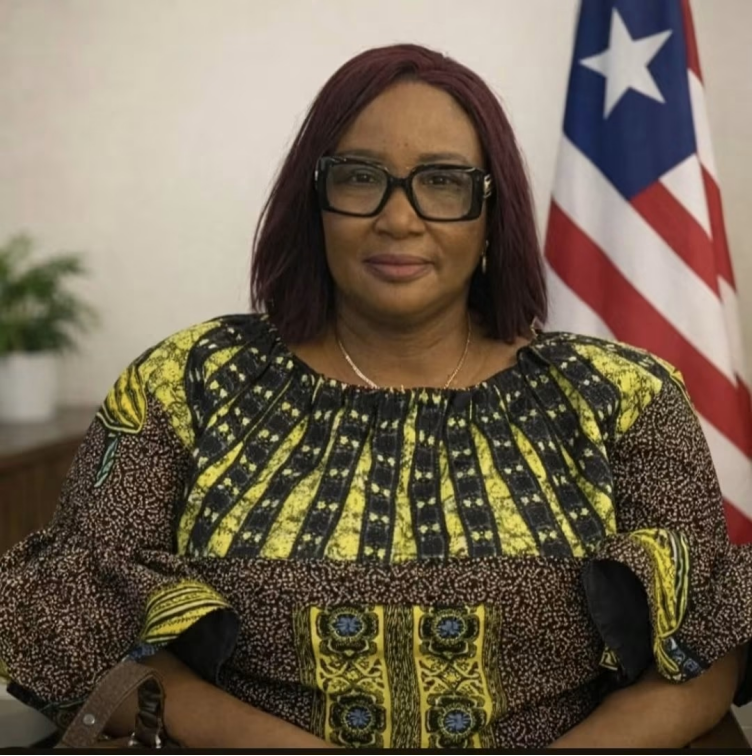
Prior to the official confirmation of the Ebola case in Nigeria on Tuesday, October 20, NPHIL had already initiated a critical assessment of Liberia's primary international gateway. Dr. Sia Wata Camanor, the Interim Director General of NPHIL, conducted a comprehensive tour of Roberts International Airport (RIA) to evaluate the nation's preparedness against a potential Ebola threat. This assessment specifically scrutinized existing screening measures, adherence to infection prevention and control protocols, and the efficacy of emergency response arrangements, alongside other vital public health safeguards implemented at the airport.
This proactive engagement at RIA forms an integral part of NPHIL's ongoing collaborative efforts with the Ministry of Health and other relevant partners. The objective is to fortify Liberia border health surveillance and enhance the country's capacity for prompt detection and effective response to public health emergencies. During her inspection, Dr. Camanor underscored the paramount importance of sustained vigilance, seamless coordination among agencies, and strict compliance with established public health protocols across all points of entry. NPHIL has also issued a public advisory, urging travelers, airport personnel, and the general populace to maintain heightened alertness and adhere to official public health guidance as Liberia strengthens its preparedness framework.
Mandatory Public Health Directives Issued
In a decisive move to curb potential transmission, the Ministry of Health has disseminated a circular mandating all institutions throughout Liberia to immediately reinforce their infection prevention and control measures. This directive applies broadly to health facilities, border entry points, public buildings, and various other organizations, requiring them to implement stringent screening and IPC protocols without delay. A core requirement is the provision of functional handwashing stations, equipped with soap and water or appropriate hand sanitizers, at all entrance points.
Furthermore, the Ministry's circular stipulates that facilities must conduct thorough screening of individuals for relevant symptoms and any history of travel or exposure, in strict accordance with national guidelines. Critically, the directive emphasizes that temperature checks alone are insufficient for effective screening, advocating for a more comprehensive and multi-faceted approach. Other essential measures highlighted include rigorous adherence to hand hygiene practices, the correct utilization of personal protective equipment (PPE), meticulous environmental cleaning, and the safe disposal of waste materials. These NPHIL Ebola protocols and Ministry of Health Liberia infection control guidelines are designed to create a robust defense against the spread of the virus.
Implications for Compliance and Operations
The recent directives from the Ministry of Health and the heightened surveillance by NPHIL carry significant implications for institutions operating within Liberia, particularly those with cross-border activities. Compliance officers and legal counsel must recognize these mandates as immediate requirements for operational integrity and legal adherence. The explicit orders to strengthen screening and enforce infection prevention and control protocols are not merely recommendations but compulsory safeguards.
Failure to rigorously implement these updated NPHIL Ebola protocols and Ministry of Health Liberia infection control guidelines could expose organizations to regulatory non-compliance and potential liability. Institutions are now compelled to review and update their existing infection prevention and control policies, screening procedures, and emergency response plans to align precisely with the new directives. This proactive adaptation is crucial for mitigating public health risks and ensuring that all entities contribute effectively to Liberia public health emergency preparedness.
Practical Implications
Compliance officers and legal counsel for institutions, particularly those operating in Liberia or managing cross-border operations, must immediately review and update their infection prevention and control protocols, screening procedures, and emergency response plans to align with the Ministry of Health's new directives and NPHIL's heightened surveillance measures. Failure to enforce these mandatory health safeguards could lead to regulatory non-compliance and potential liability.
Source
How does this affect you?
Get an AI analysis of this article grounded in your jurisdictions, practice areas, and any policy documents you've uploaded to Wansom.
Finish Reading the Full Story and the Expert Analysis.
Get the latest legal & regulatory intelligence in Liberia
Wansom is AI and can make mistakes.