
Liberia ICJ Climate Vote UNGA Resolution: Sole African Nation Opposes
Summary
- Liberia was the only African nation to vote against a UN General Assembly resolution on May 20, 2026, welcoming the International Court of Justice’s climate advisory opinion.
- The Liberian government later stated that its vote against the UNGA resolution was an error.
- The International Court of Justice issued an advisory opinion in July 2025, clarifying states' obligations under international law to protect the climate system from human-caused emissions.
- This ICJ advisory opinion strengthens the legal basis for climate responsibility and accountability, influencing future climate negotiations and legal cases.
- Liberia, highly vulnerable to climate change despite low emissions, has historically advocated for climate justice, finance, and accountability, making the vote a contradiction to its established position.
Liberia's Unexpected Vote Against UNGA Climate Resolution
For a nation like Liberia, climate change is not merely an abstract international discussion; it profoundly impacts the daily lives of its citizens.
On May 20, 2026, Liberia cast a surprising vote against a United Nations General Assembly resolution that sought to welcome the International Court of Justice’s advisory opinion on climate change. This decision placed Liberia as the sole African nation among eight countries to oppose the resolution, which ultimately passed with a significant majority of 141 votes in favor, alongside 28 abstentions. The unexpected vote drew considerable attention, particularly given Liberia's status as a nation highly susceptible to the impacts of climate change, despite its minimal contribution to global greenhouse gas emissions.
The resolution, spearheaded by Vanuatu and a cross-regional
Legal Context of the ICJ Advisory Opinion
The International Court of Justice, serving as the United Nations' highest judicial body for resolving disputes between sovereign states, issued its advisory opinion on climate change in July 2025. This opinion was a direct response to a request from the UN General Assembly, which sought clarification on the obligations states hold under international law to safeguard the climate system. The Court's findings affirmed that countries indeed bear international legal duties to protect the environment and climate from human-induced greenhouse gas emissions.
Furthermore, the ICJ's advisory opinion stipulated that any breach of these obligations could result in legal responsibility for nations. This responsibility encompasses the duty to prevent ongoing harm, ensure its non-recurrence, and provide full reparation for any damage caused. While not functioning as a binding judgment that mandates specific actions from individual countries, the International Court of Justice advisory opinion climate change significantly strengthens the legal foundation for arguments related to climate responsibility and accountability, thereby influencing governmental policies, international negotiations, and future climate-related legal proceedings.
Implications for Liberia's Climate Stance
Liberia's vote against the UN General Assembly climate resolution stands in stark contrast to its long-held Liberia climate change position, which consistently advocates for greater climate finance, support for adaptation, action on loss and damage, and increased accountability from major emitters. For a nation like Liberia, climate change is not merely an abstract international discussion; it profoundly impacts the daily lives of its citizens, with farmers contending with erratic rainfall, extreme heat, and crop failures, and communities facing heightened risks of flooding. Despite its negligible contribution to global emissions, Liberia is among the countries most in need of international assistance to adapt to a changing climate, making climate justice a cornerstone of its international advocacy.
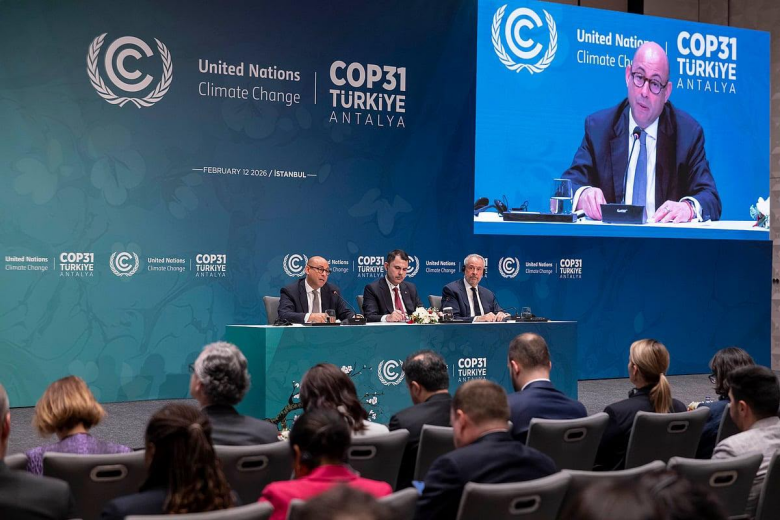
Ezekiel Nyanfor, Climate Justice and Humanitarian Inspirator at ActionAid Liberia, articulated the sentiment that the vote represented "a complete contradiction to what we stand for." He emphasized Liberia's moral obligation to protect the environment for both current and future generations, while also highlighting the country's low readiness to effectively respond to climate change challenges. As Liberia prepares to attend COP31 in Antalya, Türkiye, in November, where it will join other climate-vulnerable nations in demanding stronger international action and support, the initial vote against the UNGA resolution welcoming the ICJ's advisory opinion presents a complex backdrop to its ongoing climate diplomacy.
Practical Implications
Lawyers and compliance officers should monitor Liberia's official stance and subsequent actions regarding international climate law, particularly given its initial vote against the UNGA resolution welcoming the ICJ's advisory opinion. This situation highlights the political complexities in operationalizing international legal opinions on climate responsibility, which could impact future climate-related negotiations, policy developments, or potential legal challenges involving Liberia.
Source
How does this affect you?
Get an AI analysis of this article grounded in your jurisdictions, practice areas, and any policy documents you've uploaded to Wansom.
Finish Reading the Full Story and the Expert Analysis.
Get the latest legal & regulatory intelligence in Liberia
Wansom is AI and can make mistakes.