
Naymote, CSOHRAP: Intensifying Liberia Death Penalty Abolition Advocacy
Summary
- Naymote Partners for Democratic Development and CSOHRAP have partnered to advocate for the abolition of the death penalty in Liberia.
- This advocacy includes strengthening human rights monitoring and legislative engagement, supported by an FCDO initiative until January 2027.
- Liberia previously abolished the death penalty in 2005 but reintroduced it between 2005 and 2008, a measure that failed to deter crime.
- Advocates argue that retaining capital punishment undermines Liberia's international human rights commitments and risks irreversible wrongful convictions.
- They propose alternative punishments like life imprisonment and call for strengthening the criminal justice system and focusing on rehabilitation.
Renewed Push for Capital Punishment Repeal in Liberia
The irreversible nature of the death penalty presents a profound ethical dilemma.
A significant collaborative effort has been launched in Liberia to intensify advocacy for the abolition of the death penalty. Naymote Partners for Democratic Development Liberia has formally joined forces with the Civil Society Human Rights Advocacy Platform of Liberia (CSOHRAP death penalty Liberia) to bolster human rights monitoring, engage with the legislature, and drive evidence-based campaigns aimed at achieving Liberia capital punishment repeal. This strategic alliance operates under the FCDO Support for the Abolition of the Death Penalty Phase III – A Strategic Advocacy Initiative, with a sub-award agreement scheduled from August 3, 2026, to January 31, 2027.
Under the terms of this agreement, Naymote will play a crucial role in enhancing civil society's interaction with the Liberian Legislature. Its responsibilities include closely monitoring legislative developments related to capital punishment, systematically collecting and analyzing information on lawmakers' stances, and developing a standardized methodology for legislative scorecards. These scorecards are designed to support targeted, evidence-based advocacy efforts, providing civil society organizations with critical data on how legislators approach the issue.
Liberia's Evolving Stance on Human Rights Standards
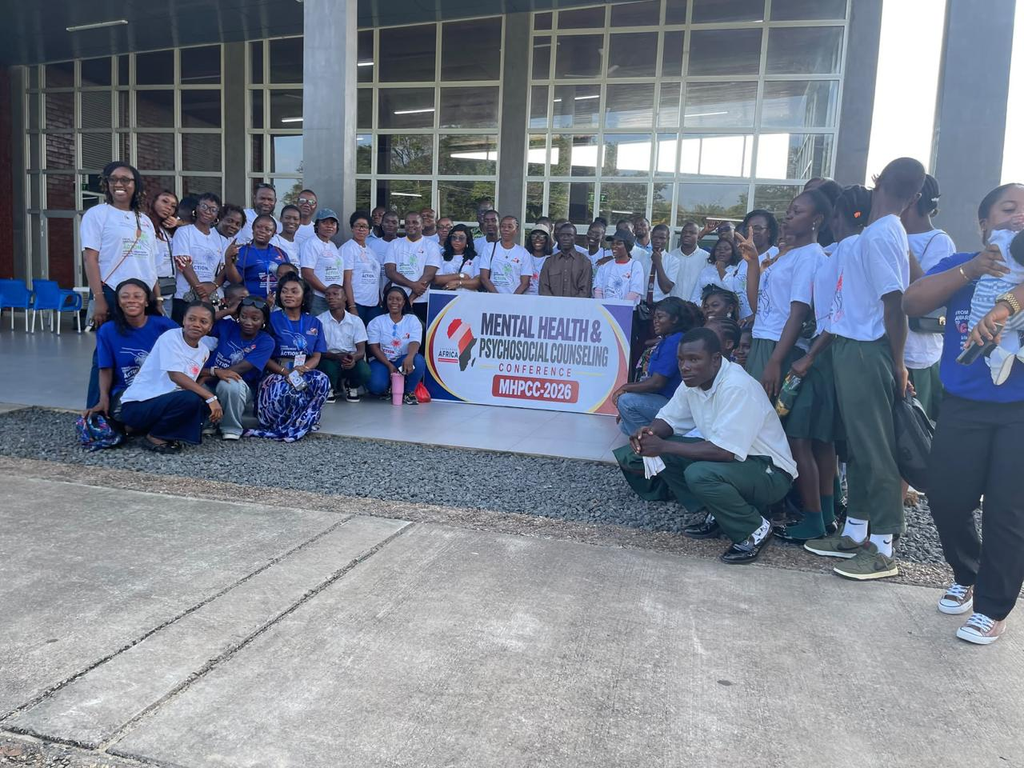
Adama Dempster, the Secretary General of CSOHRAP, recently articulated that Liberia's continued use of the death penalty contradicts its commitments to international human rights standards. Speaking at a capacity-building training session for legislative observers and interns focused on the Abolition of Death Penalty Project (ADP), legislative engagement, and advocacy, Dempster urged both the government and the Legislature to take decisive action towards abolition. This training was jointly organized by CSOHRAP and Naymote Partners for Democratic Development, with support from the British Embassy.
Historically, Liberia has demonstrated a complex relationship with capital punishment. The nation was notably among the first ten countries to ratify the Second Optional Protocol to the International Covenant on Civil and Political Rights Liberia, an international instrument specifically designed to abolish capital punishment. Despite this early commitment, Liberia abolished the death penalty in 2005, only to reintroduce it between 2005 and 2008. This reintroduction was prompted by concerns over a rise in violent crimes, including armed robberies and hijackings, with the intention of deterring such activities. However, Dempster highlighted that this measure ultimately failed to achieve its desired effect, stating that the reintroduction of capital punishment did not lead to a reduction in crime rates or serve as an effective deterrent.
The Irreversible Risk of Injustice
Dempster emphasized that Liberia’s dedication to human rights should be unequivocally reflected in its legal framework and public policies, particularly those safeguarding human life. He referenced Article 20(a) of the Liberian Constitution and the International Covenant on Civil and Political Rights as foundational legal documents that underscore the protection of life. A primary concern raised by Dempster is the inherent risk of wrongful convictions, a risk exacerbated by what he described as Liberia’s limited forensic capacity to definitively identify individuals involved in criminal activities.
The irreversible nature of the death penalty presents a profound ethical dilemma. Dempster argued that executing an individual who is subsequently found to have been wrongfully convicted constitutes an irreparable miscarriage of justice. He posed a critical question regarding the accountability for such an irreversible error. As an alternative, he suggested that Liberia could implement other forms of punishment, such as life imprisonment, while simultaneously working to strengthen its criminal justice system and improve the conditions of its prison facilities. He further cautioned against using the current state of prisons as a justification for maintaining capital punishment, advocating instead for a focus on rehabilitation within the correctional system rather than solely on punitive measures. CSOHRAP and Naymote are intensifying their engagement with lawmakers to build support for Liberia death penalty abolition advocacy, including deploying legislative observers and interns for human rights monitoring Liberia, tracking lawmaker positions, and documenting debates.
Practical Implications
Lawyers practicing criminal law or human rights in Liberia should closely monitor legislative developments regarding the proposed abolition of the death penalty, as this could significantly alter sentencing frameworks and legal arguments in capital cases. Compliance officers should be aware of Liberia's evolving stance on international human rights standards, which may impact future legal and ethical considerations.
Source
How does this affect you?
Get an AI analysis of this article grounded in your jurisdictions, practice areas, and any policy documents you've uploaded to Wansom.
Wansom is AI and can make mistakes.