
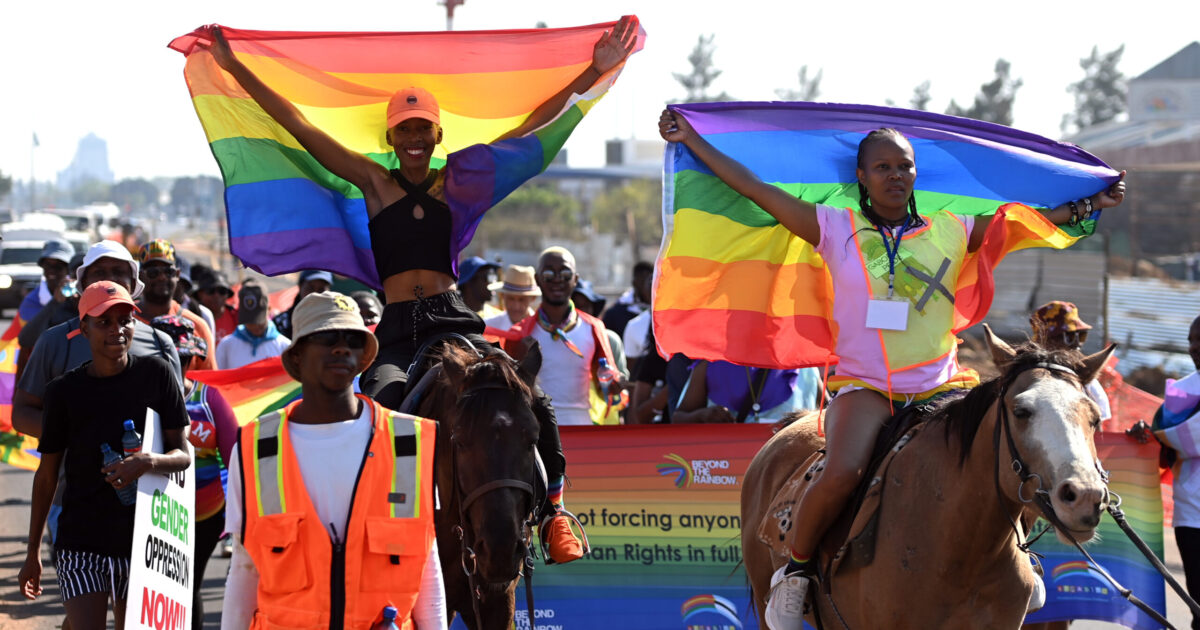
LEGABIBO Challenges Butale Legal Standing In Botswana High Court
Summary
- Lesbians, Gays and Bisexuals of Botswana (LEGABIBO) has applied to join a High Court challenge initiated by Biggie Ganda Butale.
- Butale's challenge contests the repeal of Penal Code provisions that criminalized same-sex acts.
- LEGABIBO argues that Butale lacks the necessary legal standing (*locus standi*) to pursue his case.
- The organization contends that Butale's legal action is an "academic and political dispute."
What Happened
This legal maneuver by LEGABIBO carries significant implications for the landscape of human rights and public interest litigation within Botswana.
Lesbians, Gays and Bisexuals of Botswana (LEGABIBO), a prominent advocacy organization dedicated to advancing the rights of LGBTQ individuals, has formally sought to intervene in a significant legal proceeding. The group has filed an application with the High Court to join a challenge initiated by Biggie Ganda Butale. This move by LEGABIBO is a direct response to Butale's ongoing High Court challenge, which contests the recent removal of specific provisions within the Botswana Penal Code that previously criminalized same-sex acts.
In its application, LEGABIBO asserts that Mr. Butale lacks the necessary legal standing, or *locus standi*, to pursue his case. The organization contends that Butale's legal action is not driven by a genuine personal interest or direct impact, but rather constitutes an "academic and political dispute." By seeking to join the proceedings, LEGABIBO aims to ensure that the interests of the LGBTQ community, which are directly affected by the Penal Code provisions, are properly represented and that the court's time is not consumed by what they perceive as an abstract or politically motivated argument. This LEGABIBO intervention application Botswana marks a crucial development in the ongoing Botswana LGBTQ rights litigation.
Legal Context of the Challenge
The core of LEGABIBO's argument revolves around the principle of *locus standi*, a fundamental concept in legal systems that determines whether a party has the right or capacity to bring a legal action or to appear before a court. In this specific context, LEGABIBO is challenging Butale's legal standing Botswana, arguing that his interest in the matter does not meet the threshold required for him to be a proper party to the High Court challenge. The group's intervention application highlights the critical role of standing in constitutional and public interest litigation, particularly when legislative changes impacting human rights are at stake.
Biggie Ganda Butale's High Court challenge specifically targets the decision to repeal sections of the Botswana Penal Code that had historically criminalized consensual same-sex sexual relations. The removal of these Botswana Penal Code same-sex provisions was a landmark development for LGBTQ rights in the nation. LEGABIBO's contention that Butale's challenge is merely an "academic and political dispute" suggests that they believe he does not suffer a direct, personal, or sufficient grievance from the repeal to justify his legal action, thereby questioning the very foundation of his case.
Why It Matters
This legal maneuver by LEGABIBO carries significant implications for the landscape of human rights and public interest litigation within Botswana. The High Court's eventual ruling on LEGABIBO's intervention application and, more broadly, on the *locus standi* challenge Botswana, will establish important precedents regarding who can initiate or participate in cases that affect broad societal issues. Should LEGABIBO succeed in its argument, it could reinforce the principle that legal challenges to progressive human rights reforms must be brought by parties with a direct and tangible interest, rather than those with purely academic or political motivations.
The outcome of this particular Biggie Ganda Butale High Court challenge, influenced by LEGABIBO's intervention, will undoubtedly shape future Botswana LGBTQ rights litigation. It underscores the strategic importance of procedural aspects like standing in defending and advancing the rights of marginalized communities. For advocates and legal practitioners involved in constitutional matters, this case serves as a vital indicator of how the judiciary interprets and applies the requirements for legal standing, potentially influencing the viability of future challenges or defenses concerning legislative changes impacting fundamental rights.
Practical Implications
This development highlights the strategic importance of *locus standi* in Botswana's constitutional litigation. Lawyers advising on human rights or public interest cases should monitor how the High Court defines and applies standing requirements, as this can significantly impact who can challenge or defend legislative changes.
Source
How does this affect you?
Get an AI analysis of this article grounded in your jurisdictions, practice areas, and any policy documents you've uploaded to Wansom.
Finish Reading the Full Story and the Expert Analysis.
Wansom is AI and can make mistakes.