
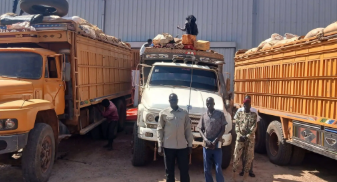
Leer County Commissioner: Imposes Nighttime Truck Entry Ban
Summary
- Leer County authorities in Unity State issued an order last week banning goods trucks from entering the county at night.
- The ban, announced by Commissioner Major General Stephen Taker Riek Dong, mandates that trucks must enter before midnight.
- The measure aims to control the movement of drugs and other illicit substances, particularly from the state capital, Bentiu.
- Traders arriving after midnight will be questioned unless they provide advance notification of delays to the Police CID or tax authorities.
- Trucks found with hidden illegal or dangerous items face cargo confiscation and vehicle detention.
New Nighttime Entry Ban for Goods Trucks in Leer County
The threat of cargo confiscation and vehicle detention for transporting hidden illicit or dangerous items demands rigorous internal checks and due diligence protocols, far beyond standard customs procedures.
Authorities in Leer County, located within South Sudan's Unity State, have recently imposed a significant new restriction on the movement of commercial vehicles. Last week, a directive was issued that explicitly forbids goods trucks from entering the county during nighttime hours. This order, announced by County Commissioner Major General Stephen Taker Riek Dong, stipulates that all trucks transporting goods must complete their entry into the county before midnight.
The primary objective behind this stringent measure is to bolster efforts in controlling the flow of illicit substances, including drugs, into the region. Commissioner Dong specifically highlighted that the ban applies to trucks originating from Bentiu, the state capital, indicating a targeted approach to regulate a key logistical corridor. This new regulation marks a definitive shift in operating procedures for all commercial transporters operating within or supplying Leer County.
Compliance Requirements and Penalties
Adherence to the revised entry schedule is now a mandatory aspect of Bentiu to Leer logistics compliance. Major General Dong's order clarifies that any traders whose trucks arrive after the midnight deadline will be subject to questioning by local authorities. However, a specific exemption has been outlined for unavoidable delays: transporters can avoid this questioning if they proactively notify either the Police Criminal Investigation Department (CID) or the local tax authorities in advance of their delayed arrival. This provision introduces a critical administrative step, demanding robust communication from logistics providers.
Beyond timing, the Leer County Commissioner transport order also establishes severe penalties for the illicit transport of prohibited items. Commissioner Taker issued a stern caution that any truck discovered to be concealing illegal or dangerous goods among its legitimate cargo will face immediate confiscation of the entire load. Furthermore, the vehicle itself will be detained. These measures underscore a firm enforcement stance aimed at deterring and punishing illicit activities within the county, reinforcing the broader goal of Leer County illicit substance control.
Operational and Legal Implications for Supply Chains
The Leer County nighttime truck entry ban introduces substantial operational and legal complexities for businesses involved in the South Sudan Leer cargo restrictions, particularly those serving Unity State. Companies must now meticulously plan their routes and schedules to ensure all goods trucks reach Leer County before midnight, which could impact delivery timelines, necessitate adjustments to warehousing strategies at entry points, and potentially increase operational costs. The requirement for advance notification in cases of delay adds a layer of administrative burden and necessitates robust, reliable communication channels with local authorities, specifically the CID and tax departments.
For legal and compliance officers advising clients on supply chain and trade in South Sudan, this means updating operational guidelines and informing clients of the heightened risks associated with non-compliance. The explicit threat of cargo confiscation and vehicle detention for transporting hidden illicit or dangerous items demands rigorous internal checks, enhanced due diligence protocols, and potentially revised contractual agreements with transport providers, extending far beyond standard customs procedures. This directive represents a significant shift in Unity State goods transport rules, demanding immediate and comprehensive adjustments to logistics and compliance strategies for any entity operating along the critical Bentiu to Leer corridor.
Practical Implications
Lawyers and compliance officers advising clients on supply chain and trade in South Sudan, particularly in Unity State's Leer County, must inform them of new restrictions on nighttime goods truck entry. Non-compliance risks cargo confiscation and vehicle detention, necessitating adherence to new operating hours and advance notification procedures for delays.
Source
How does this affect you?
Get an AI analysis of this article grounded in your jurisdictions, practice areas, and any policy documents you've uploaded to Wansom.
Wansom is AI and can make mistakes.