
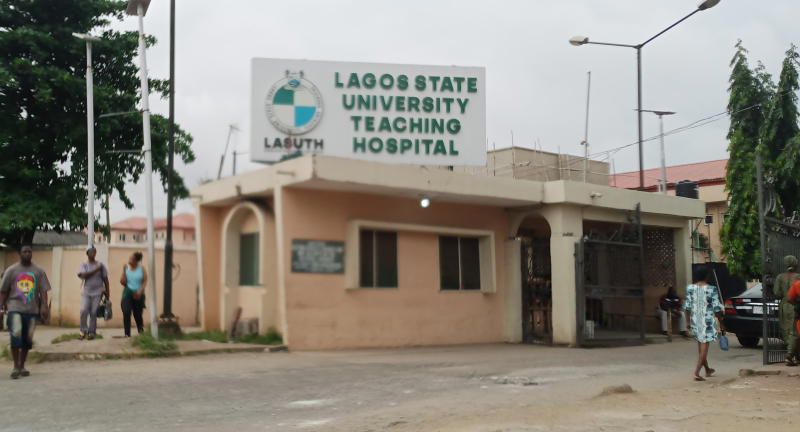
LASUTH: 9-Year-Old Detained Over N4m Bill, Rights Violated
Summary
- A nine-year-old child is reportedly being held at Lagos State University Teaching Hospital (LASUTH) due to an outstanding medical bill.
- The medical debt amounts to N4 million, stemming from treatment for an 11x7mm metallic screw lodged in the child's lung.
- The foreign object caused a complete collapse and consolidation of the child's right lower lung lobe.
- This incident raises significant concerns regarding patient rights and the legality of detaining minors over medical debt in Nigeria.
- Despite the ordeal, the child has expressed a personal aspiration to become a pilot.
A Child's Confinement Over Medical Debt
The reported confinement of a nine-year-old at LASUTH highlights potential breaches of fundamental patient rights.
A distressing situation has emerged at the Lagos State University Teaching Hospital (LASUTH), where a nine-year-old child is reportedly being held due to an outstanding medical bill amounting to N4 million. This incident brings into sharp focus the severe challenges faced by families grappling with significant healthcare costs in Nigeria, particularly when a minor is involved. The reported detention of a young patient over unpaid hospital bills raises serious questions about patient rights and the ethical boundaries of debt recovery within the nation's healthcare system.
Critical Health Condition and Mounting Costs
The young patient's predicament stems from a severe medical emergency. Diagnostic findings revealed a metallic screw, precisely measuring 11 by 7 millimeters, lodged within the segmental bronchus of the child's right lower lung lobe. This foreign object has led to a complete collapse and consolidation of the affected lobe, necessitating intensive medical intervention.
The complexity and urgency of treating such a critical respiratory condition are undoubtedly factors contributing to the substantial N4 million debt incurred at the Lagos State University Teaching Hospital. The high cost associated with specialized medical procedures and extended care for conditions like this often places an unbearable financial burden on families, leading to situations like the current patient detention in Lagos.
Legality and Ethics of Patient Detention
The practice of detaining patients, especially minors, over unpaid medical bills is illegal and a violation of fundamental human rights under Nigerian law. While hospitals face legitimate challenges in recovering costs for services rendered, the reported confinement of a nine-year-old at LASUTH constitutes false imprisonment and a clear breach of patient rights. Nigerian legal frameworks, including Section 35 of the 1999 Constitution, explicitly protect individuals from arbitrary detention, making such measures in a medical context, particularly involving a child, unlawful.
This situation underscores the urgent need to examine the legal and ethical implications of using a patient's physical presence as leverage for debt collection, especially when it impacts vulnerable populations. Lawyers advising healthcare providers or patient advocacy groups must be acutely aware of the legal boundaries surrounding debt recovery and patient rights in Nigeria, particularly concerning the detention of patients for unpaid hospital bills.
Dreams Deferred and Systemic Challenges
Amidst this challenging medical and financial ordeal, the nine-year-old child reportedly harbors a simple yet profound aspiration: to become a pilot. This personal dream stands in stark contrast to the current reality of being confined within a hospital setting due to an insurmountable medical debt. The case at LASUTH serves as a poignant illustration of the broader systemic issues plaguing healthcare access and affordability in Nigeria.
It compels a national conversation about sustainable solutions for medical debt, the protection of patient rights in Nigeria healthcare, and ensuring that no child's future is jeopardized by the inability to pay for life-saving treatment. The incident at Lagos State University Teaching Hospital underscores the critical importance of balancing institutional financial viability with the fundamental human right to healthcare, particularly when dealing with unpaid hospital bills Nigeria.
Practical Implications
This incident highlights potential breaches of patient rights and raises questions about the legality of detaining patients, especially minors, over unpaid medical bills in Nigeria. Lawyers should be aware of the legal framework governing patient rights and debt recovery in healthcare, advising clients on compliance or potential litigation risks for similar practices.
Source
How does this affect you?
Get an AI analysis of this article grounded in your jurisdictions, practice areas, and any policy documents you've uploaded to Wansom.
Finish Reading the Full Story and the Expert Analysis.
Get the latest legal & regulatory intelligence in Nigeria
Wansom is AI and can make mistakes.