
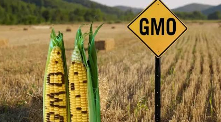
Lagos State GMO Ban Demand: Coalition Urges House of Assembly
Summary
- A coalition has urged the Lagos State House of Assembly to ban genetically modified organisms (GMOs).
- The group, known as the GMO-Free Nigeria Alliance, comprises scientists, farmers, environmentalists, nutritionists, and civil society organizations.
- They warned that GMOs pose potential threats to public health, biodiversity, farmers’ livelihoods, and food sovereignty.
- This demand signals potential future regulatory changes regarding genetically modified organisms in Lagos State.
Legislative Call for GMO Ban
The formal demand for a Lagos State GMO ban by such a broad and influential coalition carries significant implications for the region's agricultural and food sectors.
A diverse consortium of stakeholders has formally urged the Lagos State House of Assembly to implement a prohibition on genetically modified organisms (GMOs) within the state's jurisdiction. This collective appeal represents a significant development in the ongoing discourse surrounding agricultural biotechnology in Nigeria's most populous state. The demand specifically targets the complete cessation of GMO activities, aiming to eliminate their presence and use across Lagos State.
This action by the coalition underscores a growing sentiment among various groups regarding the perceived risks associated with genetically modified crops and products. Their direct address to the legislative body indicates an intent to influence policy at the state level, potentially setting a precedent for other regions in Nigeria. The call for a ban is comprehensive, aiming to eliminate the presence and use of GMOs across Lagos State.
Concerns Driving the Demand
The coalition articulated several critical concerns underpinning their demand for a ban on genetically modified organisms. Foremost among these were explicit warnings about potential adverse impacts on public health. These health concerns form a central pillar of their argument against the continued presence of GMOs in the state's food system and environment, highlighting what they perceive as significant Nigeria GMO health concerns.
Beyond human health, the group also highlighted significant risks to biodiversity, suggesting that genetically modified crops could disrupt natural ecosystems and diminish the variety of plant and animal life. Furthermore, the coalition expressed apprehension regarding the livelihoods of local farmers, fearing that the adoption or proliferation of GMOs could negatively affect traditional farming practices and economic stability. Finally, the concept of food sovereignty was raised, with the coalition arguing that GMOs could undermine local control over food production and supply chains, impacting Nigeria's broader food security.
The GMO-Free Nigeria Alliance
The unified front advocating for this ban operates under the banner of the GMO-Free Nigeria Alliance. This alliance is not a monolithic entity but rather a broad-based coalition comprising a wide array of professional and advocacy groups. Its membership includes distinguished scientists, active farmers, committed environmentalists, expert nutritionists, and various civil society organizations.
The diverse composition of the GMO-Free Nigeria Alliance lends considerable weight to its advocacy efforts, bringing together expertise from scientific, agricultural, health, and social justice perspectives. Their collective voice, directed at the Lagos State House of Assembly, signals a robust and organized opposition to genetically modified organisms, aiming to influence legislative decisions that could shape the future of agriculture and food policy in Lagos State and potentially beyond.
Implications for Lagos State
The formal demand for a Lagos State GMO ban by such a broad and influential coalition carries significant implications for the region's agricultural and food sectors. Should the Lagos State House of Assembly consider or act upon this request, it could lead to substantial regulatory shifts affecting the cultivation, import, and distribution of genetically modified organisms. This legislative scrutiny aligns with broader Nigeria GMO health concerns and discussions around Nigeria food security GMO strategies.
For businesses operating within the biotechnology, agricultural, or food processing industries in Lagos, this development signals a need for heightened awareness and potential adaptation. Future regulations stemming from this demand could impact product approvals, supply chain logistics, and overall operational compliance related to genetically modified organisms Nigeria. Lawyers advising clients in these sectors should closely monitor legislative developments to anticipate and navigate potential changes in the regulatory landscape.
Practical Implications
Lawyers advising clients in the agricultural, food, or biotechnology sectors in Lagos State should monitor legislative developments closely. This stakeholder demand signals potential future regulatory changes or increased scrutiny regarding genetically modified organisms, which could impact product approvals, import/export regulations, and operational compliance for businesses in these areas.
Source
How does this affect you?
Get an AI analysis of this article grounded in your jurisdictions, practice areas, and any policy documents you've uploaded to Wansom.
Wansom is AI and can make mistakes.