
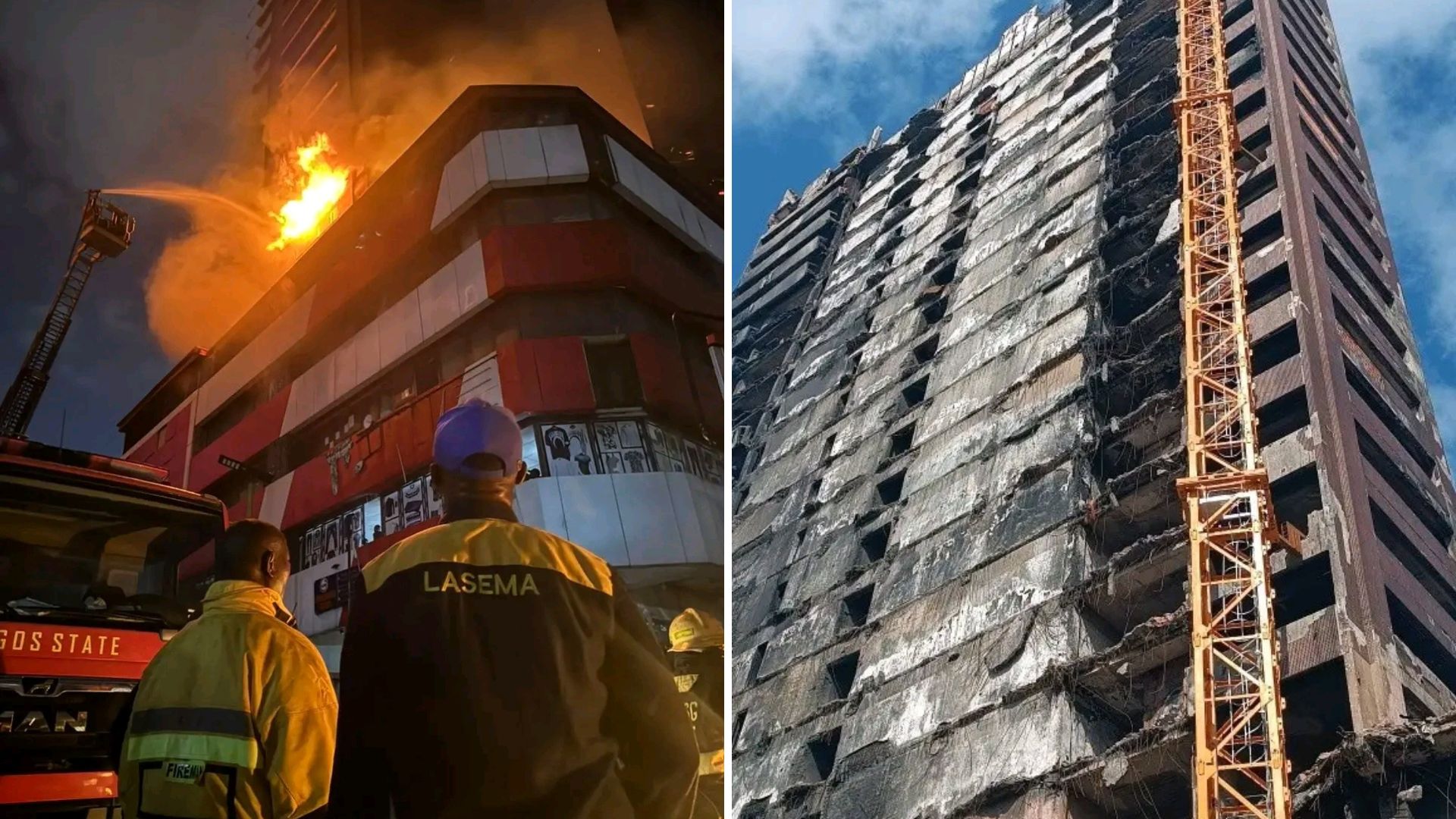
Lagos Government: GNI Building Demolition Commences After Fatal Fire
Summary
- The Lagos government is commencing the demolition of the fire-damaged GNI building today, October 15, 2026.
- The building, located on Martins Street, was severely compromised by a fire on December 24, 2025.
- The devastating blaze tragically resulted in the deaths of 12 people.
- The demolition is a direct response to the structure being rendered unsafe by the extensive fire damage.
- This action highlights the government's proactive enforcement of building safety regulations.
What Happened
Lawyers advising property owners or insurers in Lagos should note the government's proactive enforcement regarding unsafe structures, particularly post-fire, which may significantly impact property rights, liabilities, and compliance with official demolition orders.
The Lagos government is commencing the demolition of the GNI building, a prominent structure that suffered extensive damage in a recent fire. This decisive action by the authorities targets a building located on Martins Street, which has been deemed unsafe following the catastrophic incident.
The decision to demolish comes in the wake of a devastating blaze that engulfed the GNI building on December 24, 2025. This tragic event not only caused significant structural compromise but also led to a severe loss of life. According to an earlier report, the fire resulted in the deaths of 12 individuals, underscoring the profound human impact of the disaster. The commencing demolition is a direct and necessary response to the severe damage sustained, ensuring that the compromised structure no longer poses a threat to public safety.
Legal and Regulatory Context
This swift action by the Lagos government highlights its robust approach to upholding building safety regulations and its commitment to urban development enforcement within the bustling metropolis. The decision to demolish the fire-damaged GNI building on Martins Street is a clear demonstration of the authorities' proactive stance when confronted with structures that present an imminent danger, especially after suffering such extensive damage from a fire.
Governmental bodies in Lagos possess the legal authority to declare buildings unsafe and mandate their demolition, a power typically exercised when public welfare is at risk. This particular case serves as a critical precedent for legal professionals: lawyers advising property owners or insurers in Lagos should note the government's proactive enforcement regarding unsafe structures, particularly post-fire, which may significantly impact property rights, liabilities, and compliance with official demolition orders. The incident underscores the imperative for property stakeholders to understand and adhere to local building safety regulations to avoid such drastic consequences.
Why It Matters
The commencing Lagos GNI building demolition carries significant implications for the city's urban landscape and its property sector. It serves as a potent reminder of the critical importance of maintaining structural integrity and adhering to stringent building codes, particularly in densely populated areas like Martins Street. For all property owners and developers across Lagos, this incident signals a heightened level of scrutiny from regulatory bodies concerning the safety and stability of their assets, especially in the aftermath of any significant damage or disaster.
The tragic loss of 12 lives in the Martins Street GNI fire profoundly amplifies the gravity of this governmental enforcement action, bringing into sharp focus the devastating human cost associated with compromised building safety. This event is poised to influence future Lagos urban development enforcement strategies, potentially leading to more rigorous oversight, expedited assessments of hazardous structures, and swifter responses to ensure public safety. Consequently, it will likely reshape the landscape of property ownership, insurance liabilities, and compliance expectations throughout the region.
Practical Implications
Lawyers advising property owners or insurers in Lagos should note the government's proactive enforcement regarding unsafe structures, particularly post-fire, which may impact property rights, liabilities, and compliance with demolition orders.
Source
How does this affect you?
Get an AI analysis of this article grounded in your jurisdictions, practice areas, and any policy documents you've uploaded to Wansom.
Finish Reading the Full Story and the Expert Analysis.
Get the latest legal & regulatory intelligence in Nigeria
Wansom is AI and can make mistakes.