
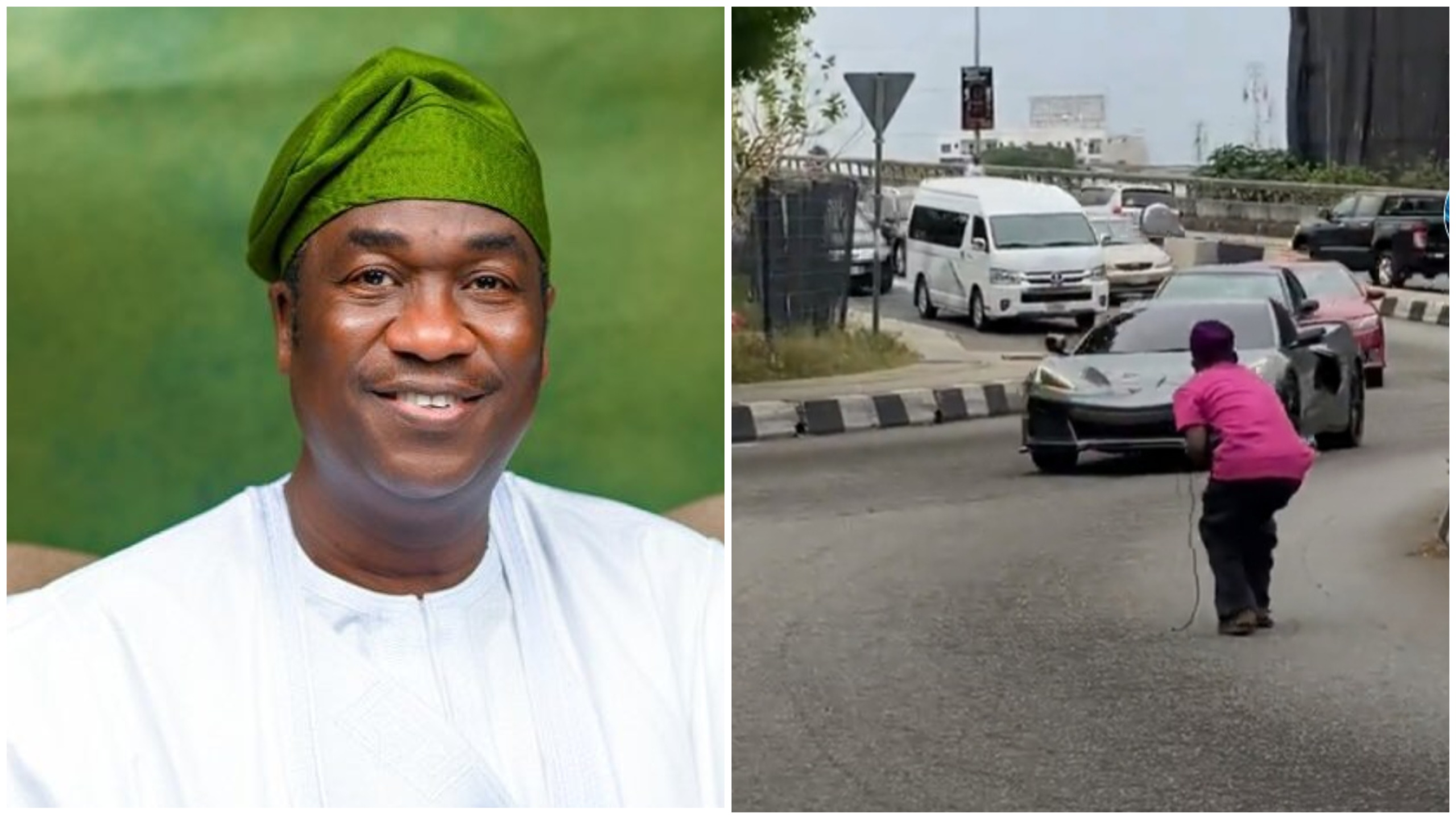
Lagos Deputy Governor: Lekki Car Spotting Declared Criminal, Crackdown Looms
Summary
- Lagos Deputy Governor Mr. Obafemi Hamzat has declared "car spotting" along the Lekki-Epe Expressway a criminal activity.
- The deputy governor vowed a comprehensive crackdown on individuals who stop luxury vehicles in the area.
- Authorities have previously used surveillance cameras to identify and arrest people engaged in this activity.
- The state intends to intensify enforcement efforts against those stopping luxury vehicles on the expressway.
What Happened
The deputy governor's pronouncement effectively elevates "car spotting" from a mere nuisance to an activity deemed criminal by the state.
Lagos State Deputy Governor, Mr. Obafemi Hamzat, has publicly declared the practice of "car spotting" along the Lekki-Epe Expressway to be a criminal offense, signaling a significant shift in the official stance towards the activity. This declaration comes with a firm commitment from the state government to initiate a comprehensive crackdown on individuals engaging in this behavior. The deputy governor specifically identified the act of stopping luxury vehicles in this prominent corridor as the target of the new enforcement drive.
Authorities have already leveraged advanced surveillance technology to identify and apprehend individuals involved in these activities. Mr. Hamzat highlighted that strategically placed surveillance cameras have proven instrumental in assisting law enforcement agencies in pinpointing and subsequently arresting those who halt traffic or gather around high-end automobiles on the busy expressway. This existing infrastructure provides a clear mechanism for the promised crackdown.
Regulatory Stance and Enforcement Mechanisms
The deputy governor's pronouncement effectively elevates "car spotting" from a mere nuisance to an activity deemed criminal by the state. While the specific legal statutes underpinning this classification were not detailed in the immediate statement, the declaration from such a high-ranking official indicates a strong intent to apply existing laws or interpret them to address the perceived issues arising from the practice. This official labeling of the activity as "criminal" suggests that individuals caught engaging in it could face legal consequences, moving beyond simple warnings or dispersal.
The reliance on surveillance cameras as a primary tool for identification and arrest underscores a technologically-driven approach to maintaining order and enforcing regulations along key transportation arteries like the Lekki-Epe Expressway. This method allows authorities to gather evidence and track individuals remotely, facilitating arrests based on visual confirmation of the prohibited activity. The established effectiveness of these cameras in previous operations suggests that the forthcoming crackdown will utilize this digital surveillance capability extensively to enforce the new directive.
Implications for Public Conduct
The vow of a crackdown by Mr. Hamzat carries significant implications for public conduct, particularly for those who have previously engaged in stopping luxury vehicles on the Lekki-Epe Expressway. With the activity now officially labeled as criminal, the risk of arrest and potential prosecution has substantially increased. This directive serves as a clear warning that the state government is prepared to take decisive action against individuals who continue to participate in what it now considers an unlawful practice.
The explicit mention of surveillance cameras having already aided in identifying and arresting people reinforces the seriousness of the state's enforcement capabilities. This means that individuals engaging in "car spotting" are not only at risk of being caught in the act but also of being identified retrospectively through recorded footage. The crackdown, therefore, is not merely a threat but a continuation and intensification of an already established enforcement strategy, now backed by a definitive criminal classification from the deputy governor.
Source
How does this affect you?
Get an AI analysis of this article grounded in your jurisdictions, practice areas, and any policy documents you've uploaded to Wansom.
Wansom is AI and can make mistakes.