
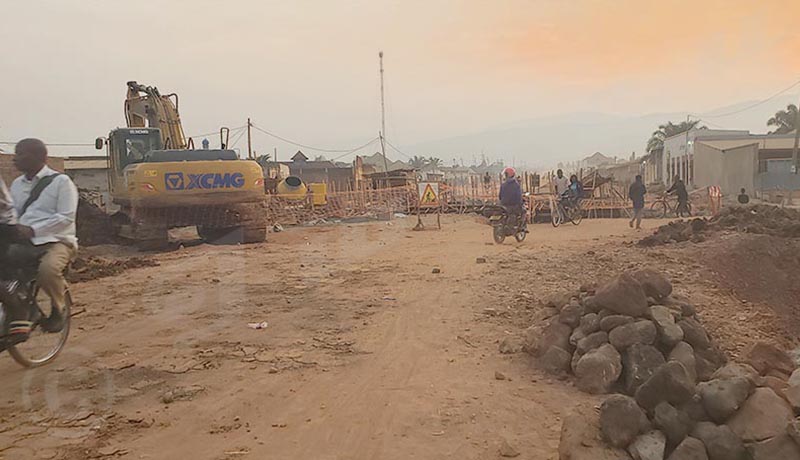
La RN9 sous un délai de grâce
Summary
- The rehabilitation of Boulevard Adolphe Nshimirimana, linked to the Bujumbura port project, has missed its initial 24-month deadline.
- Project officials have announced an extension to the execution deadline for the road works, despite a noticeable slowdown in activity.
- Rumors of public funds misappropriation are circulating concerning the project, adding to the complexities of the delay.
- Officials assure that construction continues and have also addressed the status of the Bujumbura port rehabilitation.
- The RN9 Burundi project deadline extension underscores potential contractual and compliance risks for all involved parties.
RN9 Burundi Project Deadline Extended Amid Delays
The protracted timeline for the Boulevard Adolphe Nshimirimana rehabilitation and the broader Burundi infrastructure project extension raise pertinent questions regarding contractual obligations and financial oversight.
The ambitious rehabilitation of the road known as Boulevard Adolphe Nshimirimana, a critical component linked to the broader Bujumbura port project, has significantly exceeded its initial 24-month completion timeline. This key infrastructure initiative, often referred to in connection with the RN9 Burundi road works, has faced considerable delays, prompting project officials to announce an extension to its execution deadline. The initial two-year period for the road's overhaul has elapsed without the project reaching its conclusion, indicating challenges in its implementation. As of August 2026, the project is still ongoing, with an amendment for additional funding secured on August 7, 2026, to resume activities with renewed intensity.
Despite the apparent slowdown in construction activities, project managers have publicly affirmed that work on the Boulevard Adolphe Nshimirimana rehabilitation is actively continuing. This assurance comes as the project grapples with a visible deceleration in progress, which has been noted by observers. The decision to grant an RN9 Burundi project deadline extension underscores the difficulties encountered in adhering to the original schedule for this vital transport artery. Officials have also taken the opportunity to address the current status of the Bujumbura port project, highlighting its ongoing nature in conjunction with the road works, though its rehabilitation has been further complicated by rising Lake Tanganyika water levels since 2024, necessitating revised technical designs.
Legal and Financial Scrutiny Intensifies
The protracted timeline for the Boulevard Adolphe Nshimirimana rehabilitation and the broader Burundi infrastructure project extension raise pertinent questions regarding contractual obligations and financial oversight. Delays in large-scale public works, particularly those involving significant public investment, often trigger clauses related to performance, penalties, and potential renegotiation of terms between the government and contracting entities. Legal advisors to both public bodies and contractors involved in the Bujumbura port project delay and associated road works should meticulously review existing agreements for provisions governing extensions and cost overruns.
Adding a layer of complexity to the situation are circulating Burundi public funds misappropriation rumors, though the project coordinator has publicly denied any such misappropriation for this specific project, stating that funds are managed by the African Development Bank. Such allegations, even if unproven, necessitate heightened scrutiny and can lead to calls for increased transparency and accountability in project management. For legal professionals, these rumors underscore the importance of robust compliance frameworks and due diligence, particularly in the context of public procurement and expenditure. The intersection of project delays and financial impropriety concerns creates a challenging environment for all stakeholders, demanding clear communication and adherence to legal and ethical standards to safeguard public trust and project integrity.
Broader Implications for Burundi's Infrastructure Development
The ongoing challenges with the RN9 Burundi project deadline extension and the associated Bujumbura port project delay carry significant implications for the nation's broader infrastructure development agenda. Major infrastructure initiatives are crucial drivers of economic growth, facilitating trade, improving connectivity, and attracting foreign investment. When such projects face substantial delays and are accompanied by rumors of financial irregularities, it can erode investor confidence and raise concerns about governance capacity within the sector.
Monitoring the progress and resolution of issues surrounding the Boulevard Adolphe Nshimirimana rehabilitation is therefore vital for stakeholders, including international partners and potential investors. The successful and transparent completion of these projects is essential not only for their direct benefits but also for setting a precedent for future large-scale developments in Burundi. The current situation highlights the critical role of legal and regulatory frameworks in ensuring project accountability, managing contractual risks, and upholding public confidence in the execution of national development priorities.
Practical Implications
Lawyers advising contractors or public entities involved in Burundi's infrastructure sector should monitor the RN9 and Bujumbura port projects for potential contractual disputes arising from delays and assess compliance risks related to the reported rumors of fund misappropriation.
Source
How does this affect you?
Get an AI analysis of this article grounded in your jurisdictions, practice areas, and any policy documents you've uploaded to Wansom.
Wansom is AI and can make mistakes.