
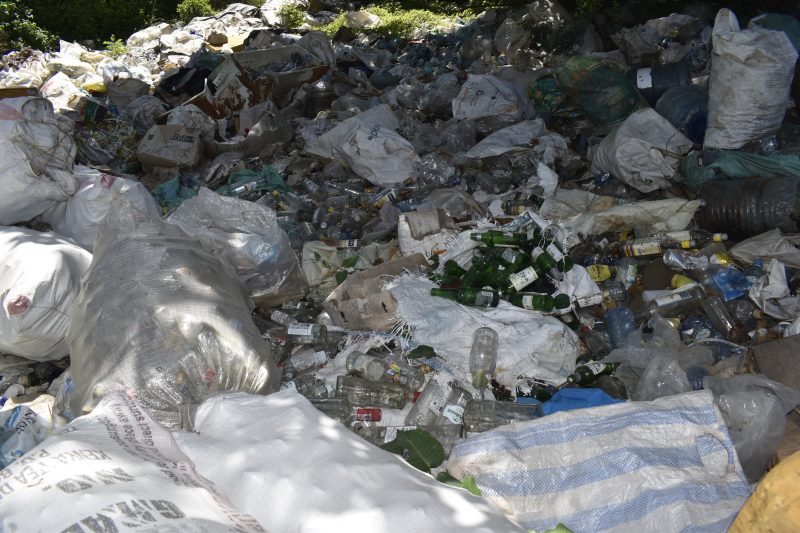
KWS Waste Disposal Warning Kenya: Regulatory Shift for Compliance
Summary
- The Kenya Wildlife Service issued a strong warning about careless waste disposal, emphasizing its threat to future generations and natural ecosystems.
- KWS urged Kenyans to take personal responsibility for waste, noting that litter and plastics pollute habitats, block waterways, and reach oceans.
- World Cleanup Day, formally designated by the UN for September 20 annually, highlights global waste challenges, including 1.05 billion tonnes of food wasted in 2022.
- Kenya faces significant waste management issues, with plastic waste and poor disposal practices posing risks to wildlife and the environment.
- KWS stressed that environmental responsibility extends beyond authorities, requiring collective action from communities to wild spaces for healthier ecosystems.
What Happened
The emphatic KWS waste disposal warning Kenya serves as a clear indicator of a heightened regulatory emphasis on environmental protection and waste management within the nation.
The Kenya Wildlife Service (KWS) recently issued a stern KWS waste disposal warning Kenya, emphasizing the severe environmental consequences of irresponsible waste management. This significant caution coincided with global observances for World Cleanup Day, a time dedicated to promoting cleaner communities worldwide. KWS underscored that everyday decisions, ranging from how individuals dispose of refuse at home to practices in workplaces and public areas, are crucial in maintaining the cleanliness of both human settlements and natural ecosystems.
In a message marking the day, the wildlife agency articulated that careless disposal practices jeopardize the future, stating that “Usafi ni nusu ya imani,” meaning cleanliness is half of faith. KWS implored Kenyans to assume greater accountability for the waste they generate, highlighting that discarded litter and plastic materials can contaminate natural habitats, obstruct vital waterways, and ultimately find their way into the vast expanse of the oceans. The agency reiterated that fostering cleaner environments begins with individual choices made daily.
Legal and Regulatory Context
The emphatic KWS waste disposal warning Kenya serves as a clear indicator of a heightened regulatory emphasis on environmental protection and waste management within the nation. This public awareness campaign by the Kenya Wildlife Service waste management division suggests that authorities are increasingly scrutinizing disposal practices, particularly given the persistent Kenya environmental waste pollution challenges. Legal professionals and compliance officers should interpret this as a signal to advise their clients, especially those operating in waste-generating sectors, to meticulously review their current waste disposal protocols.
Kenya continues to grapple with significant waste management challenges, particularly in both its urban and rural communities. Issues such as widespread plastic waste, indiscriminate littering, and inadequate disposal methods pose substantial risks to the environment. The KWS's strong stance implies a potential for more stringent enforcement of existing environmental laws and the possible introduction of new regulations aimed at mitigating these pervasive problems. Companies must ensure their operations align with current standards and prepare for future regulatory shifts.
Global and Local Waste Challenges
World Cleanup Day, observed annually on September 20, gained formal recognition when the United Nations General Assembly officially designated the date in December 2023. This global initiative provides a vital platform for diverse stakeholders—including governments, local communities, educational institutions, businesses, civil society organizations, and individuals—to actively combat waste and elevate awareness regarding the creation of cleaner and more sustainable communities. The 2026 global observance is slated to focus specifically on food waste, under the theme “From Clean Plates to Clean Cities.”
This upcoming campaign will draw a direct link between the food people discard and the broader imperative of maintaining urban cleanliness and managing resources responsibly. According to data from the United Nations, an astonishing 1.05 billion metric tonnes of food were wasted globally in 2022, accounting for approximately 19 percent of all food available to consumers. The UN further notes that this substantial food waste exacerbates pressure on waste-management systems, depletes land and water resources, and contributes significantly to climate change, underscoring the interconnectedness of waste management challenges Kenya faces with global environmental concerns.
Environmental Impact and Future Outlook
The Kenya Wildlife Service emphasized that the repercussions of poorly managed waste extend far beyond merely unsightly streets and public areas. Improperly discarded materials frequently end up clogging drainage systems and polluting waterways, creating immediate environmental hazards. A particularly pressing concern is plastic waste impact Kenya, as these materials can persist in the environment for extended durations, posing a direct and ongoing threat to the nation's diverse wildlife and fragile natural habitats.
KWS articulated that the responsibility for cultivating a cleaner environment cannot be solely delegated to governmental authorities. They stressed that responsible waste disposal must originate with every individual, permeating from local communities to the nation's protected parks and wild spaces. The agency's overarching message, "Clean spaces, healthier ecosystems," encapsulates their vision for a sustainable future, highlighting the critical need for collective action to safeguard Kenya's natural heritage for generations to come.
Practical Implications
While this article is a general public awareness message, KWS's strong warning signals increased regulatory focus on environmental protection and waste management in Kenya. Lawyers and compliance officers should advise clients, particularly those in waste-generating industries, to review their waste disposal practices for compliance with existing environmental laws and to anticipate potential future enforcement or stricter regulations.
Source
How does this affect you?
Get an AI analysis of this article grounded in your jurisdictions, practice areas, and any policy documents you've uploaded to Wansom.
Finish Reading the Full Story and the Expert Analysis.
Get the latest legal & regulatory intelligence in Kenya
Wansom is AI and can make mistakes.