
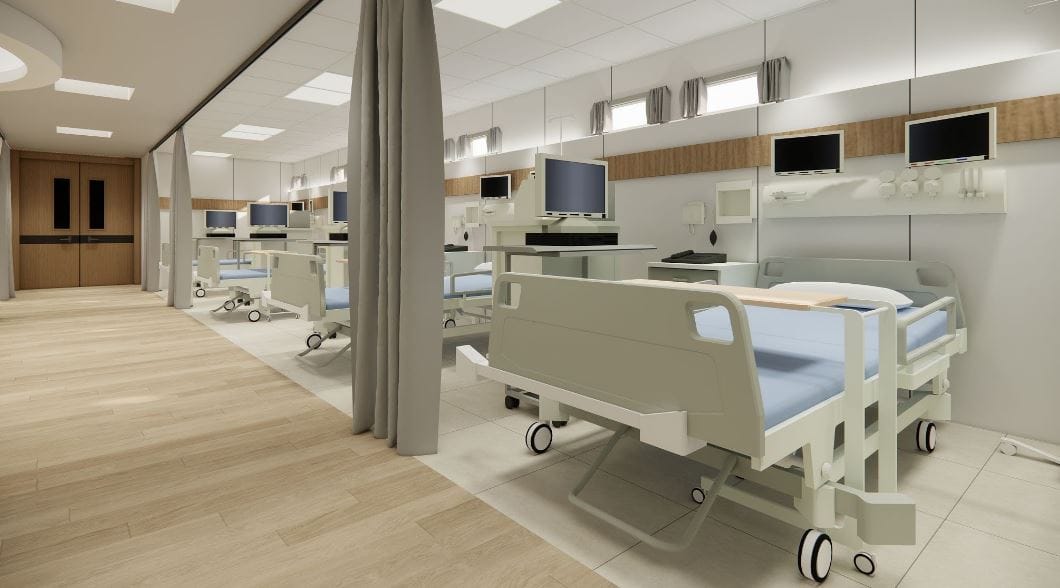
KwaZulu-Natal: Patient Forced Clinic Discharge Amid Ambulance Shortage
Summary
- Sthembile Mkhize was reportedly forced to leave Halley Stott Clinic in KwaZulu-Natal after waiting hours for an ambulance transfer.
- She was asked to sign a form, believed to be a refusal of treatment, without sufficient time to read it or receiving a copy.
- Clinic management later apologized, citing ambulance shortages and acknowledging the nurse's error in discharging her.
- Mkhize was eventually transferred to St Mary's Hospital, diagnosed with an intestinal parasite, and treated.
- The incident highlights severe ambulance shortages in KwaZulu-Natal, with only 248 out of 448 ambulances operational as of May 21.
What Happened
The act of removing a patient's catheter and instructing them to leave a facility while they are still awaiting critical inter-facility transfer, especially given their initial severe symptoms, could be construed as a breach of the healthcare provider's duty of care.
Sthembile Mkhize, a 30-year-old resident of KwaNyuswa in KwaZulu-Natal, recounted a distressing experience at the Halley Stott Clinic that has left her fearful of seeking local healthcare. On September 10, Mkhize arrived at the 24-hour facility around 3 pm, accompanied by her boyfriend, suffering from severe abdominal pain, vomiting, diarrhea, and profound weakness. Healthcare staff admitted her to the high care unit, where she was placed on a drip and had a urinary catheter inserted. Nurses informed her that an ambulance would be called to facilitate her transfer to St Mary's Hospital for further treatment.
Mkhize and her boyfriend, Nkululeko, endured a prolonged wait for the promised ambulance, which failed to materialize for several hours. By 8 pm, Mkhize expressed her exhaustion to the night-shift nurse, who advised her to continue waiting until 10 pm. Despite this, the ambulance had still not arrived by 1 am. Following repeated inquiries about the delay, the same nurse presented Mkhize with a document to sign. Her catheter was subsequently removed, and she was instructed to leave the health facility, a situation that constitutes a KwaZulu-Natal patient forced clinic discharge.
Mkhize stated that she was not afforded adequate time to review the document and was not provided with a copy. She believes the form was a release statement indicating her refusal of treatment. After her discharge, Mkhize and Nkululeko spent the remainder of the night outside the clinic, waiting for daylight before they could secure a taxi to return home. The following day, after Mkhize shared her ordeal on social media, clinic management contacted her to offer an apology. They acknowledged the nurse's error in instructing her to leave and attributed the delay to a shortage of ambulances in the area. Mkhize subsequently returned to the Sthembile Mkhize Halley Stott Clinic, where an ambulance was successfully called, transferring her to St Mary's Hospital. There, she was diagnosed with an intestinal parasite, received treatment, and was discharged later that night. She is now scheduled for follow-up care on November 14 but is reluctant to return to the Halley Stott Clinic, citing fear and a preference for care at an alternative facility, a referral for which management promised but has not yet provided.
Legal Context
This incident raises significant concerns regarding patient rights and the standard of care expected from healthcare providers in South Africa. The circumstances surrounding Sthembile Mkhize's release from the Halley Stott Clinic, particularly the alleged requirement to sign a form without proper review or receiving a copy, directly challenge principles of informed consent patient release form protocols. Patients have a fundamental right to understand any document they are asked to sign, especially one that could be interpreted as a refusal of treatment, which carries substantial legal implications for both the patient and the facility.
The act of removing a patient's catheter and instructing them to leave a facility while they are still awaiting critical inter-facility transfer, especially given their initial severe symptoms, could be construed as a breach of the healthcare provider's duty of care. This situation highlights potential medical negligence South Africa discharge standards, where a patient is discharged prematurely or under duress, without ensuring their safety or continuity of care. Even in the face of resource constraints, such as an ambulance shortage, healthcare facilities are obligated to ensure patient safety and adhere to ethical discharge procedures, which typically involve a comprehensive assessment of the patient's condition and a clear, documented plan for ongoing care or transfer.
Why It Matters
Sthembile Mkhize's experience is not an isolated incident but rather a stark illustration of systemic challenges plaguing the public healthcare sector in KwaZulu-Natal, particularly concerning emergency medical services. Her ordeal underscores the critical impact of the KZN ambulance shortage patient rights, where inadequate resources directly compromise patient safety and access to timely care. The provincial legislature's oversight visits to EMS bases have corroborated these concerns, revealing persistent issues with both ambulance availability and staff levels, alongside unacceptably slow response times.
Official figures from May 21 indicated that a mere 248 out of the province's 448 ambulances were operational, signifying a severe deficit in emergency transport capacity. Furthermore, the KwaZulu-Natal Legislature's Standing Committee on Public Accounts (SCOPA) identified an acute lack of ambulances in March, attributing this critical shortfall to chronic delays in the repair and maintenance of state vehicles. Such operational failures not only lead to individual patient suffering, as seen in Mkhize's case, but also erode public trust in the healthcare system. Mkhize's expressed fear of returning to her local clinic, despite needing follow-up care, exemplifies the profound psychological and practical consequences when patients feel neglected or mistreated, ultimately hindering their willingness to seek necessary medical attention.
Practical Implications
This incident highlights potential medical negligence and patient rights violations, particularly concerning informed consent during discharge and duty of care. Lawyers should assess potential litigation against healthcare facilities, while compliance officers must review and reinforce patient discharge and emergency transfer protocols, ensuring proper informed consent even amidst resource constraints.
Source
How does this affect you?
Get an AI analysis of this article grounded in your jurisdictions, practice areas, and any policy documents you've uploaded to Wansom.
Finish Reading the Full Story and the Expert Analysis.
Get the latest legal & regulatory intelligence in South Africa
Wansom is AI and can make mistakes.