
Kwame Agbodza Cuts Wenchi-Bole Road Contracts: Halves Scope for 2 Firms
Summary
- Ghana's Minister for Roads and Highways, Governs Kwame Agbodza, reduced the scope of work for two contractors on the Wenchi-Bole road project.
- China International Water and Electric Corporation and Poly Changda Engineering Company each had their 50-kilometre contracts cut to 25 kilometres.
- The decision was made due to concerns over the contractors' slow progress and inability to meet project timelines.
- The remaining 25-kilometre sections from each contract will be immediately reassigned to new contractors.
- The Minister warned that the performance of the current contractors will be monitored for two months, with further action possible if targets are not met.
Government Acts on Road Project Delays
This unilateral reduction in contract scope for China International Water and Electric Corporation and Poly Changda Engineering Company highlights the state's readiness to enforce performance standards and address perceived underperformance, even mid-project.
Ghana's Minister for Roads and Highways, Governs Kwame Agbodza, has significantly altered the terms for two major contractors involved in the Wenchi-Bole road project Ghana. Citing concerns over sluggish progress, Mr. Agbodza announced a substantial Ghana road contract reduction, cutting the scope of work for both China International Water and Electric Corporation and Poly Changda Engineering Company. Each firm, initially tasked with constructing separate 50-kilometre segments of the critical Western Corridor road, will now be responsible for only 25 kilometres.
Minister Cites Underperformance and Urgency
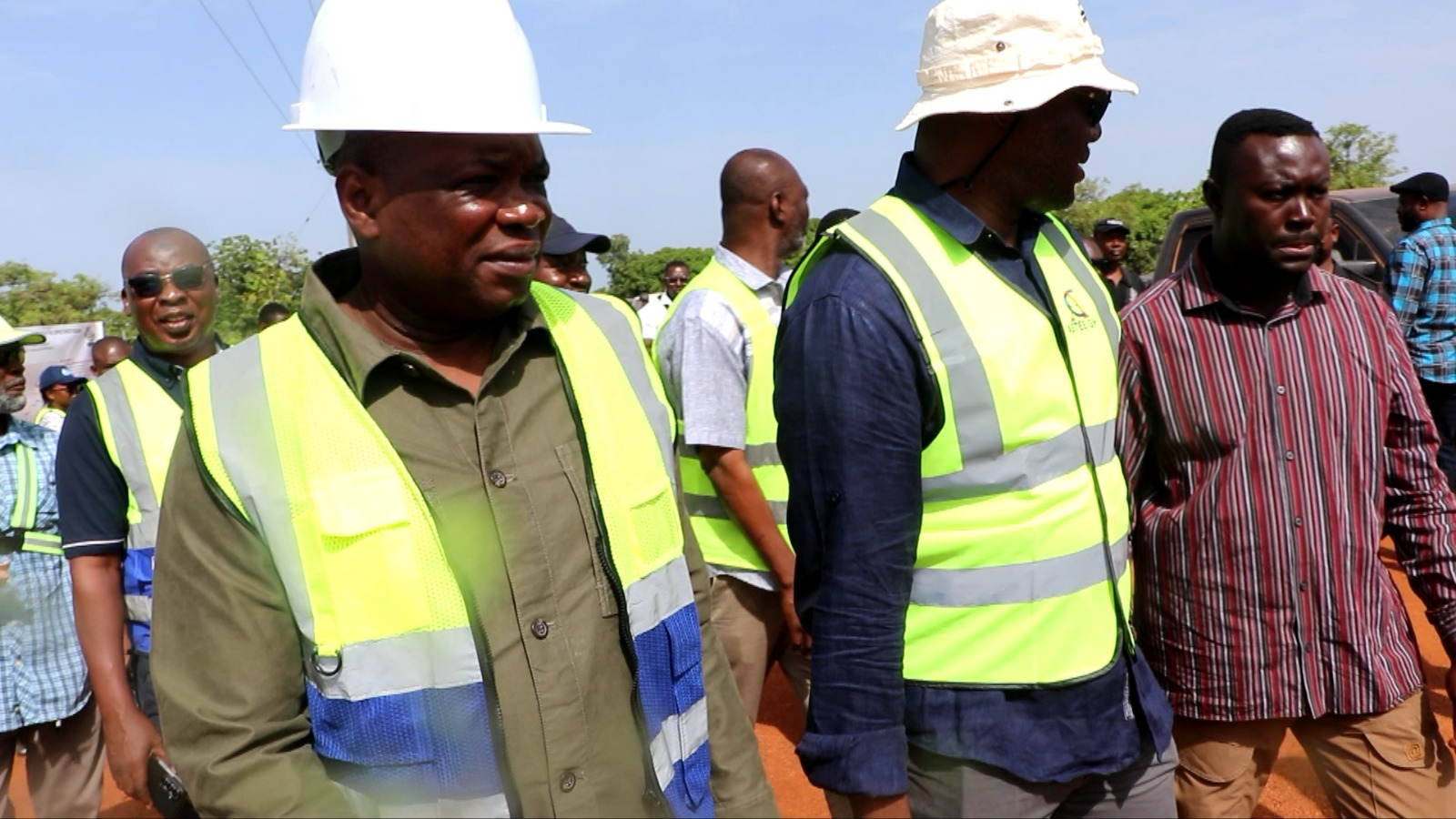
During a site inspection conducted in the Savannah Region on Wednesday, September 2, Minister Agbodza expressed profound disappointment with the progress observed. He explicitly stated that the speed of work and the level of mobilization by both China International Water and Electric Corporation and Poly Changda Engineering Company did not align with the government's expectations for the project. The Minister's remarks underscored a critical evaluation of the contractors' capabilities and commitment.
Mr. Agbodza emphasized that the government would not permit the vital Wenchi-Bole road project Ghana to experience further delays, especially when other capable contractors are available to complete the work. The objective behind this Ghana road contract reduction is to inject a sense of urgency into the construction process and ensure the rapid completion of the road. He made it clear that the government is prepared to take further action if performance does not improve.
Future of the Project and Contractor Accountability
To prevent any further stalling of the Wenchi-Bole road project Ghana, the sections removed from the existing contracts, totaling 25 kilometres for each firm, are slated for immediate reassignment. Two new contractors are expected to be brought in promptly to undertake these portions of the Western Corridor road, ensuring continuity and accelerated progress on the Western Corridor road.
Furthermore, Minister Agbodza issued a stern warning that the performance of China International Water and Electric Corporation and Poly Changda Engineering Company would be rigorously monitored over the subsequent two months. Should these companies fail to meet their revised targets within this period, the Minister indicated that additional measures, potentially including further scope reductions, would be considered. This action underscores a broader commitment to enhancing Ghana infrastructure project performance and ensuring accountability among public works contractors.
Implications for Public Works Contracts
The decisive action taken by Kwame Agbodza cuts Wenchi-Bole road contracts and sends a clear signal regarding the Ghanaian government's approach to public works agreements. This unilateral reduction in contract scope for China International Water and Electric Corporation and Poly Changda Engineering Company highlights the state's readiness to enforce performance standards and address perceived underperformance, even mid-project. It demonstrates a governmental willingness to intervene directly when project timelines or quality benchmarks are not met, rather than allowing projects to languish.
For firms engaged in or considering Ghana infrastructure projects, this incident serves as a critical reminder of the importance of robust performance clauses and the potential for governmental intervention when execution falls short. The government's stated intention to reassign the remaining sections to new contractors immediately demonstrates a proactive stance to maintain project momentum, rather than tolerating prolonged delays from existing partners. This approach could set a precedent for how future Ghana road contract reduction or modification scenarios are handled across the nation's development agenda, emphasizing timely and efficient project delivery.
Practical Implications
Lawyers advising construction firms on Ghanaian public works contracts should note the government's willingness to unilaterally reduce contract scope for underperformance, potentially leading to disputes or reassignment risks. This highlights the importance of robust performance clauses and timely project execution in Ghana.
Source
How does this affect you?
Get an AI analysis of this article grounded in your jurisdictions, practice areas, and any policy documents you've uploaded to Wansom.
Finish Reading the Full Story and the Expert Analysis.
Wansom is AI and can make mistakes.