
Senegal: Kosmos Energy Yakaar-Teranga Dispute Over 30B CFA Claims
Summary
- Senegal is experiencing an ongoing debate concerning Kosmos Energy's financial obligations following its withdrawal from the Yakaar-Teranga gas project.
- The Prime Minister previously indicated a shortfall of approximately 30 billion CFA francs linked to Kosmos Energy's departure.
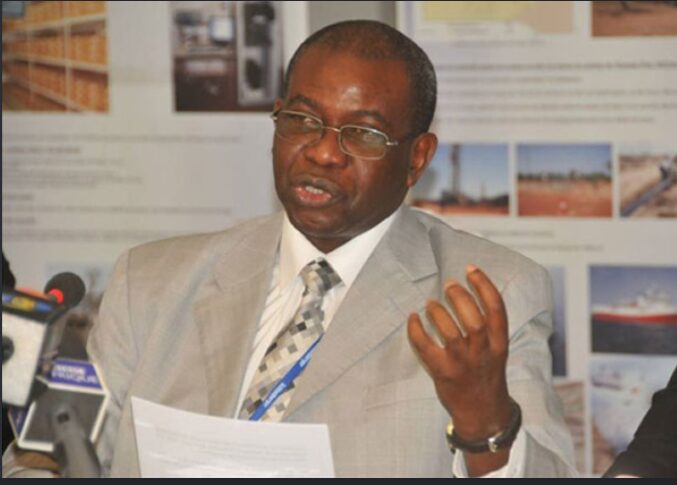
- Mamadou Faye, the former Director General of PETROSEN, has publicly stated that Kosmos Energy owes nothing to the Senegalese state.
- This dispute highlights potential legal and financial uncertainties within Senegal's energy sector.
The Evolving Dispute Over Kosmos Energy's Senegal Exit
This high-profile disagreement underscores the ongoing uncertainty and potential legal challenges surrounding financial obligations within Senegal's crucial energy sector.
The situation surrounding Kosmos Energy's operations and subsequent withdrawal from a significant gas project in Senegal continues to generate considerable discussion within the nation. This ongoing debate centers on the financial ramifications of the company's departure, particularly concerning potential liabilities or shortfalls for the state. The issue gained renewed prominence following a statement by Senegal's Prime Minister.
During a general policy declaration, the Prime Minister highlighted an estimated shortfall of approximately 30 billion CFA francs. This substantial figure was directly attributed to Kosmos Energy's decision to withdraw from the Yakaar-Teranga gas project, a key energy initiative for Senegal. The Prime Minister's remarks brought the financial implications of the withdrawal into sharp public focus, suggesting a significant economic impact on the state.
However, the narrative surrounding these financial obligations has recently been challenged by a prominent figure in Senegal's energy sector. Mamadou Faye, who previously served as the Director General of PETROSEN, the national oil company, has reignited the public discourse with a contrasting perspective. His intervention introduces a new dimension to the ongoing discussion regarding Kosmos Energy's financial standing relative to the Senegalese government.
Contradictory Claims Regarding Financial Obligations
The core of the current controversy lies in the conflicting assertions regarding Kosmos Energy's financial obligations following its exit from the Yakaar-Teranga project. While the Prime Minister's statement pointed to a substantial "manque à gagner," or loss of earnings, amounting to 30 billion CFA francs, implying a financial detriment to the state, Mamadou Faye has presented a direct counter-argument. Faye's assertion is that Kosmos Energy does not owe any funds to the Senegalese state.
This direct contradiction from a former head of PETROSEN, a key entity in Senegal's energy sector, significantly complicates the understanding of the situation. Faye's claim challenges the premise that Kosmos Energy bears a financial debt or liability to the government, directly addressing the question of Kosmos Energy Senegal financial obligations. His intervention suggests a potential disagreement within official circles or a different interpretation of the contractual terms surrounding the Yakaar-Teranga project Kosmos withdrawal.
The disparity between the Prime Minister's public statement about a significant financial shortfall and the former PETROSEN ex-DG's declaration that Kosmos owes nothing underscores the lack of a unified official position or a clear resolution to the financial aspects of the company's departure. This creates an environment of uncertainty regarding the actual financial standing between Kosmos Energy and the Senegalese government, making the "Kosmos debt Senegal" a highly contentious point.
Broader Implications for Senegal's Energy Sector
This high-profile disagreement underscores the ongoing uncertainty and potential legal challenges surrounding financial obligations within Senegal's crucial energy sector. The dispute over the 30 billion CFA franc shortfall, originating from the Yakaar-Teranga project Kosmos withdrawal, serves as a critical case study for understanding the complexities of large-scale energy contracts and the potential for state claims against international operators. The involvement of a former PETROSEN ex-DG in publicly disputing the Prime Minister's figures adds layers of intrigue and potential for further legal or political maneuvering in this Senegal energy dispute.
For legal professionals advising clients on energy contracts, mergers and acquisitions, or dispute resolution within Senegal, the resolution of this particular case will be of paramount importance. It could establish significant precedents regarding how financial liabilities are assessed and enforced following project withdrawals or changes in partnership structures. The outcome will likely influence how future agreements are structured and how international energy companies perceive the regulatory and contractual environment in Senegal.
The ongoing debate surrounding Kosmos Energy's financial obligations highlights the broader challenges faced by emerging energy producers in managing complex international partnerships. The clarity, or lack thereof, in defining and enforcing financial responsibilities upon project withdrawal can have lasting impacts on investor confidence and the long-term development of a nation's energy resources.
Practical Implications
This development highlights ongoing uncertainty and potential legal challenges regarding financial obligations in Senegal's energy sector. Lawyers advising clients on energy contracts, M&A, or dispute resolution in Senegal should closely monitor the resolution of this high-profile case for precedents on state claims and contractual liabilities.
Source
Source: Reporting from Senegalese media
How does this affect you?
Get an AI analysis of this article grounded in your jurisdictions, practice areas, and any policy documents you've uploaded to Wansom.
Finish Reading the Full Story and the Expert Analysis.
Get the latest legal & regulatory intelligence in Senegal
Wansom is AI and can make mistakes.