
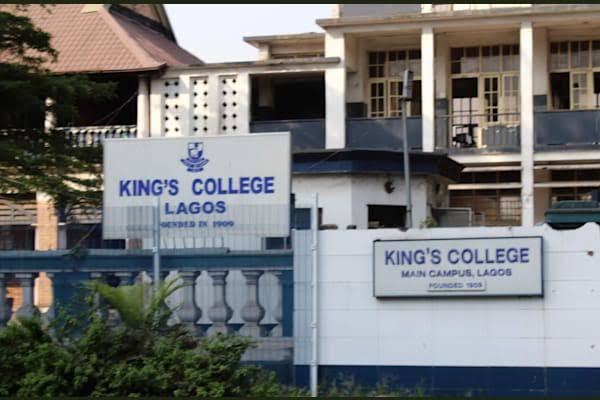
King's College Lagos Concession Protest Rocks Nigeria: Government Approval Sparks Controversy
Summary
- Parents and stakeholders are continuing to protest the Federal Government's approved concession of King's College, Lagos, to KCOBA over concerns about accountability and transparency.
- The protest highlights the need for greater consultation and involvement of parents and teachers in decision-making processes around public schools.
- The ongoing controversy raises questions about the legality of approved concession agreements under Nigeria's education law and their implications for public institutions.
What Happened
The ongoing protest is a response to the government's decision to hand over the management of the public school to a private association, which has raised concerns about accountability and transparency in education governance.
The Federal Government has officially approved the concession of King's College, Lagos, to the King's College Old Boys' Association (KCOBA), a decision that has sparked an ongoing controversy. Parents and other stakeholders continue to protest against the approved concession. The ongoing protest is a response to the government's decision to hand over the management of the public school to a private association, which has raised concerns about accountability and transparency in education governance.
The concession agreement was signed without consulting parents or teachers, who claim that it undermines the autonomy of the school and puts its resources at risk. The protesters argue that the move is a clear example of how the government's policies can have far-reaching consequences for public institutions.
Legal Context
The approved concession agreement between the Federal Government and KCOBA has raised questions about the legality of such arrangements in Nigeria. Under the country's education law, public schools are managed by state governments, which raises concerns about the government's authority to hand over management to a private association. The ongoing protest is also fueled by fears that similar concessions could be made in other public schools across the country.
The ongoing controversy has sparked debate among lawyers and experts on the implications of concession agreements for education governance in Nigeria. Some argue that such arrangements can bring in much-needed resources and expertise, while others warn about the risks of privatization and loss of public control.
Why It Matters
The ongoing King's College case highlights the need for greater transparency and accountability in education governance in Nigeria. The protest is a wake-up call for policymakers to re-examine their policies on concession agreements and ensure that they prioritize the interests of public schools and their stakeholders.
Lawyers advising schools and educational institutions in Nigeria should take note of this controversy, as it demonstrates the potential compliance exposures arising from concession agreements. By understanding the implications of such arrangements, educators can better navigate the complex landscape of education law in Nigeria.
Practical Implications
Lawyers advising schools and educational institutions in Nigeria should watch for potential compliance exposures arising from the concession of public schools to private associations, as seen in the King's College case.
Source
How does this affect you?
Get an AI analysis of this article grounded in your jurisdictions, practice areas, and any policy documents you've uploaded to Wansom.
Wansom is AI and can make mistakes.