
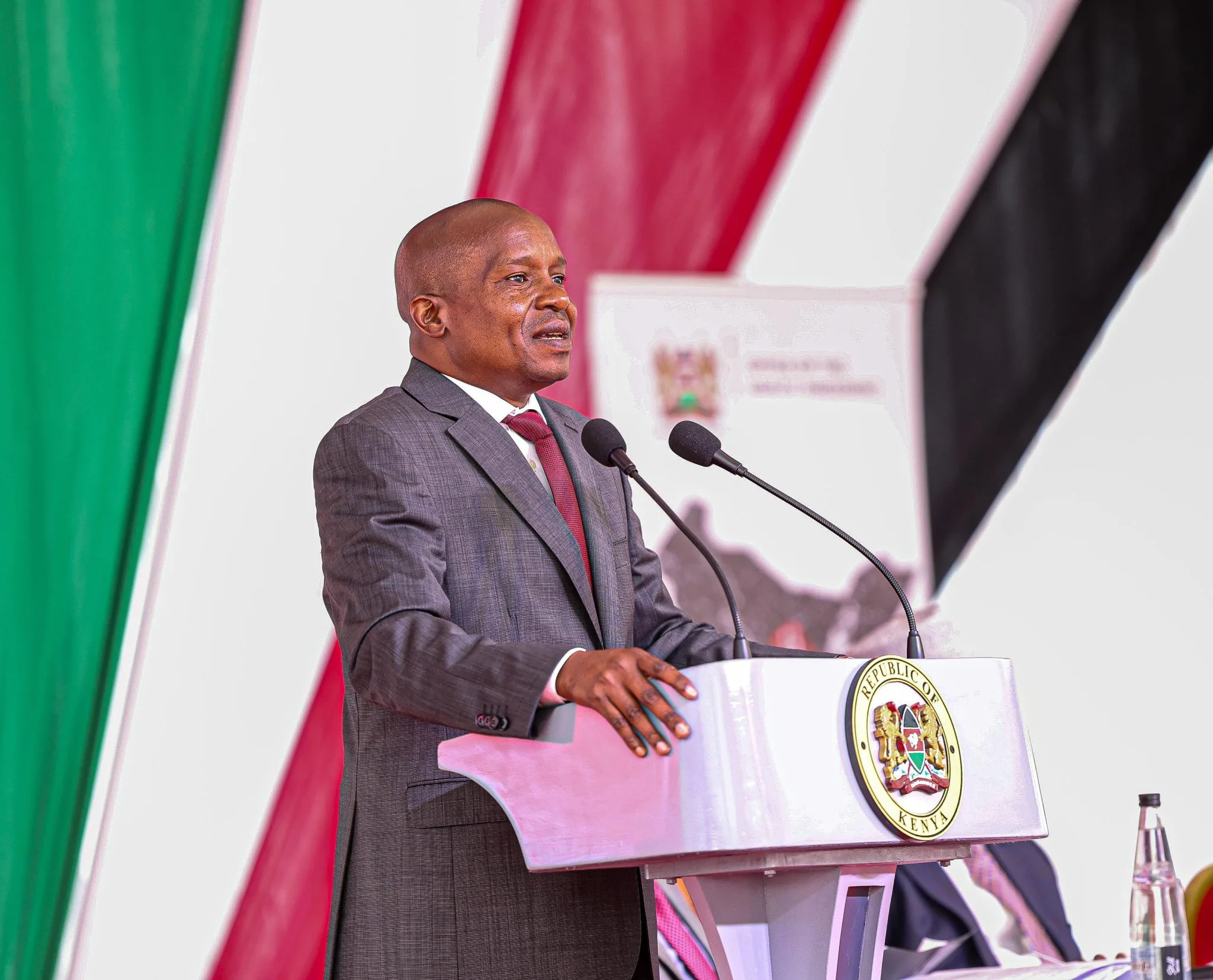
Kindiki Urges Kenya Nurses Strike Resolution Amid Health Crisis
Summary
- Deputy President Kithure Kindiki urged the Council of Governors and the nurses' union to resolve their ongoing strike on August 31.
- He warned that prolonged disruption of health services could undermine Kenya's development agenda.
- Kindiki emphasized that industrial disputes in essential services should be settled through negotiation and dialogue.
- The strike has significantly affected public health service delivery, causing patient disruption.
- The government advocates for dialogue to safeguard both healthcare workers' interests and uninterrupted service.
Government Intervention in Health Sector Dispute
His intervention serves as a clear signal of the government's determination to see a rapid resolution to the Kenya labour dispute health sector.
Deputy President Kithure Kindiki has publicly called for an immediate resolution to the ongoing industrial action by nurses, urging the Council of Governors (CoG) and the nurses' union to swiftly conclude their dispute. Speaking on August 31, Kindiki underscored the critical need for both parties to return to the negotiating table. His intervention aims to facilitate an agreement that addresses the concerns raised by the nurses while simultaneously ensuring that the public retains access to vital healthcare provisions.
The Deputy President stressed that health services are fundamental to Kenya's social and economic advancement. He warned that a prolonged cessation of these services poses a significant threat to the nation's development objectives. Kindiki explicitly stated that industrial disagreements, particularly in essential sectors, should be resolved through constructive dialogue rather than extended service disruptions. He implored the CoG and representatives of the nurses to prioritize discussions to find a viable solution.
Disruption to Public Health Services
The current Kenya nurses union strike has severely impacted the delivery of services across public health facilities nationwide. Patients are experiencing significant interruptions in their ability to receive necessary treatments and other essential medical care, highlighting the profound consequences of the ongoing industrial action.
Under Kenya's devolved governance structure, county administrations bear the primary responsibility for managing most public health services. This arrangement positions the Council of Governors health strike as a crucial entity in any negotiations concerning health workers. Deputy President Kindiki reiterated that both the CoG and the nurses' union share a fundamental obligation to safeguard the welfare of patients, even as they work to address the grievances put forth by the healthcare professionals. He emphasized that the well-being of Kenyans must remain the central focus during these discussions.
Official Stance on Labour Disputes
The government's consistent position on resolving labour disputes within the health sector prioritizes dialogue and negotiated settlements. This approach underscores an expectation for all stakeholders to collaborate towards an agreement that not only protects the interests of healthcare workers but also guarantees uninterrupted service delivery to the public. The Deputy President's recent remarks reinforce this established policy, advocating for a sustainable framework to address outstanding issues.
Kindiki's call for urgent action adds considerable pressure on both the Council of Governors and the nurses' union to finalize their negotiations. The administration views the restoration of normal operations in public hospitals as an immediate priority, signaling a firm stance against protracted industrial action in critical sectors. This governmental push for Kenya public health strike negotiations aims to provide relief to the many patients currently affected by the disruption.
Implications for National Development
The Deputy President issued a stark warning regarding the broader consequences of continued Kithure Kindiki health services disruption. He asserted that an extended period without full healthcare operations would have far-reaching implications for the entire country, directly undermining the national development agenda. Kindiki reiterated that healthcare forms the bedrock of Kenya's progress, necessitating swift and responsible action from all parties involved.
His intervention serves as a clear signal of the government's determination to see a rapid resolution to the Kenya labour dispute health sector. The expectation is that all parties will act with urgency and responsibility to ensure that essential services are fully restored. This governmental emphasis on expedited dialogue and settlement reflects a commitment to minimizing the impact of such disputes on the populace and the nation's overall trajectory.
Practical Implications
This development signals the Kenyan government's strong stance on resolving essential service labour disputes through negotiation, indicating increased pressure on parties involved in health sector strikes to reach swift settlements. Lawyers advising unions or employers in such disputes should anticipate this governmental push for dialogue and expedited resolution.
Source
How does this affect you?
Get an AI analysis of this article grounded in your jurisdictions, practice areas, and any policy documents you've uploaded to Wansom.
Finish Reading the Full Story and the Expert Analysis.
Wansom is AI and can make mistakes.